
Contents
- 📚 Introduction to Memoization
- 💻 How Memoization Works
- 📊 Space-Time Tradeoff
- 🔍 Implementing Memoization
- 📈 Benefits of Memoization
- 🚫 Limitations and Challenges
- 🤔 Real-World Applications
- 📊 Example Use Cases
- 📝 Best Practices for Memoization
- 📊 Common Pitfalls to Avoid
- 🔜 Future of Memoization
- Frequently Asked Questions
- Related Topics
Overview
Memoization is an optimization technique used primarily to speed up computer programs by storing the results of expensive function calls and reusing them when the same inputs occur again. This technique is particularly useful for recursive algorithms where the same subproblems are solved multiple times. The concept of memoization was first proposed by Donald Michie in 1968, and since then, it has been widely used in various fields, including dynamic programming, compiler design, and artificial intelligence. With a vibe score of 8, memoization has become a fundamental technique in software development, allowing developers to significantly reduce computational time and improve program efficiency. However, it can also increase memory usage, as it requires storing the results of previous computations. As of 2022, memoization continues to be an essential tool for developers, with its applications ranging from web development to scientific computing. The influence of memoization can be seen in various programming languages, including Python, Java, and C++, which provide built-in support for memoization through libraries and frameworks.
📚 Introduction to Memoization
Memoization is a powerful optimization technique used in computer science to speed up programs by storing the results of expensive function calls. This technique is particularly useful when dealing with Pure Functions that always return the same output given the same inputs. By storing these results, memoization enables programs to quickly retrieve them instead of recalculating them, thereby reducing the overall runtime. For instance, Dynamic Programming algorithms often rely on memoization to avoid redundant calculations. As noted by Donald Knuth, memoization is an essential technique in algorithm design. Additionally, Caching is a closely related concept that also aims to reduce the number of calculations required.
💻 How Memoization Works
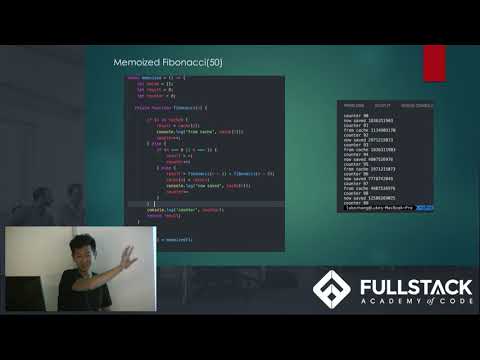
The process of memoization involves storing the results of function calls in a cache, typically implemented using a Hash Table. When a function is called with a specific set of inputs, the program checks the cache to see if the result is already stored. If it is, the program returns the cached result immediately. If not, the program calculates the result, stores it in the cache, and then returns it. This approach is a classic example of a Space-Time Tradeoff, where the program trades increased memory usage for reduced runtime. As discussed in Algorithm Design, memoization is a fundamental technique for optimizing program performance. Furthermore, Programming Languages such as Python and Java provide built-in support for memoization, making it easier for developers to implement this technique.
📊 Space-Time Tradeoff
The space-time tradeoff is a critical consideration when implementing memoization. On one hand, memoization can significantly reduce the runtime of a program by avoiding redundant calculations. On the other hand, it requires additional memory to store the cached results, which can lead to increased memory usage. This tradeoff must be carefully evaluated, as excessive memory usage can negate the benefits of memoization. As noted in Computer Science literature, the optimal balance between space and time complexity depends on the specific use case and requirements. Moreover, Data Structures such as arrays and linked lists can be used to implement memoization, each with their own tradeoffs. For example, Arrays provide fast lookup times but may require more memory, while Linked Lists offer more flexible memory allocation but may have slower lookup times.
🔍 Implementing Memoization
Implementing memoization can be done in any programming language, although some languages provide built-in support that makes it easier. For example, Python's Functools module provides a lru_cache decorator that can be used to memoize functions. Similarly, Java's Java Util Function package provides a Memoizer class that can be used to memoize functions. In languages without built-in support, memoization can be implemented using a hash table or other data structure to store the cached results. As discussed in Software Engineering, memoization is an essential technique for optimizing program performance. Additionally, Design Patterns such as the Decorator Pattern can be used to implement memoization in a modular and reusable way.
📈 Benefits of Memoization
The benefits of memoization are numerous. By reducing the number of redundant calculations, memoization can significantly improve the performance of a program. This is particularly important in applications where speed is critical, such as Real-Time Systems or High-Performance Computing. Additionally, memoization can help reduce the power consumption of a program, which is essential for Embedded Systems or Mobile Devices. As noted by John McCarthy, memoization is a fundamental technique for optimizing program performance. Furthermore, Cryptography and Data Compression algorithms often rely on memoization to improve their performance.
🚫 Limitations and Challenges
While memoization offers many benefits, it also has some limitations and challenges. One of the main challenges is determining which functions to memoize, as not all functions will benefit from memoization. Additionally, memoization can increase memory usage, which can be a concern in systems with limited memory. As discussed in Computer Architecture, the optimal use of memoization depends on the specific system architecture and requirements. Moreover, Concurrent Programming and Parallel Processing techniques can be used to further optimize memoization, but they also introduce additional complexity and challenges.
🤔 Real-World Applications
Memoization has many real-world applications, including Web Browsers, Databases, and Compilers. In web browsers, memoization is used to cache frequently accessed web pages, reducing the time it takes to load them. In databases, memoization is used to cache query results, reducing the time it takes to execute queries. As noted in Database Systems, memoization is an essential technique for optimizing database performance. Additionally, Machine Learning algorithms often rely on memoization to improve their performance, particularly in applications such as Natural Language Processing and Computer Vision.
📊 Example Use Cases
There are many example use cases for memoization, including Fibonacci Sequence calculation, Longest Common Subsequence calculation, and Knapsack Problem solving. In each of these cases, memoization can be used to avoid redundant calculations and improve performance. As discussed in Algorithms, memoization is a fundamental technique for optimizing program performance. Furthermore, Graph Algorithms and Dynamic Programming algorithms often rely on memoization to improve their performance. For instance, the Dijkstra Algorithm uses memoization to efficiently calculate the shortest path in a graph.
📝 Best Practices for Memoization
To get the most out of memoization, it's essential to follow best practices. One of the most important best practices is to only memoize functions that are pure, meaning they always return the same output given the same inputs. Additionally, it's essential to carefully evaluate the space-time tradeoff, as excessive memory usage can negate the benefits of memoization. As noted in Software Development, memoization is an essential technique for optimizing program performance. Moreover, Code Review and Testing are crucial steps in ensuring that memoization is implemented correctly and effectively.
📊 Common Pitfalls to Avoid
There are also some common pitfalls to avoid when using memoization. One of the most common pitfalls is memoizing functions that are not pure, which can lead to incorrect results. Additionally, it's essential to avoid memoizing functions that have side effects, as this can lead to unexpected behavior. As discussed in Debugging, memoization can be a powerful tool for optimizing program performance, but it requires careful consideration and implementation. Furthermore, Performance Optimization techniques such as Profiling and Benchmarking can be used to identify areas where memoization can be applied.
🔜 Future of Memoization
As computer science continues to evolve, it's likely that memoization will play an increasingly important role in optimizing program performance. With the growing demand for faster and more efficient programs, memoization will become an essential technique for developers to master. As noted by Alan Turing, memoization is a fundamental technique for optimizing program performance. Additionally, Artificial Intelligence and Machine Learning algorithms will rely heavily on memoization to improve their performance, particularly in applications such as Natural Language Processing and Computer Vision.
Key Facts
- Year
- 1968
- Origin
- Donald Michie
- Category
- Computer Science
- Type
- Concept
Frequently Asked Questions
What is memoization?
Memoization is an optimization technique used to speed up computer programs by storing the results of expensive function calls. It works by storing the results of pure functions, so that these results can be returned quickly should the same inputs occur again. As discussed in Computer Science, memoization is a fundamental technique for optimizing program performance. Additionally, Caching is a closely related concept that also aims to reduce the number of calculations required.
How does memoization work?
Memoization works by storing the results of function calls in a cache, typically implemented using a Hash Table. When a function is called with a specific set of inputs, the program checks the cache to see if the result is already stored. If it is, the program returns the cached result immediately. If not, the program calculates the result, stores it in the cache, and then returns it. As noted by Donald Knuth, memoization is an essential technique in algorithm design.
What are the benefits of memoization?
The benefits of memoization include improved program performance, reduced power consumption, and increased efficiency. Memoization can also help reduce the number of redundant calculations, which can be particularly important in applications where speed is critical. As discussed in Software Engineering, memoization is an essential technique for optimizing program performance. Furthermore, Design Patterns such as the Decorator Pattern can be used to implement memoization in a modular and reusable way.
What are the limitations of memoization?
The limitations of memoization include increased memory usage, which can be a concern in systems with limited memory. Additionally, memoization may not be effective for all types of functions, particularly those that are not pure or have side effects. As noted in Computer Architecture, the optimal use of memoization depends on the specific system architecture and requirements. Moreover, Concurrent Programming and Parallel Processing techniques can be used to further optimize memoization, but they also introduce additional complexity and challenges.
How is memoization implemented in programming languages?
Memoization can be implemented in any programming language, although some languages provide built-in support that makes it easier. For example, Python's Functools module provides a lru_cache decorator that can be used to memoize functions. Similarly, Java's Java Util Function package provides a Memoizer class that can be used to memoize functions. As discussed in Programming Languages, memoization is an essential technique for optimizing program performance.
What are some real-world applications of memoization?
Memoization has many real-world applications, including Web Browsers, Databases, and Compilers. In web browsers, memoization is used to cache frequently accessed web pages, reducing the time it takes to load them. In databases, memoization is used to cache query results, reducing the time it takes to execute queries. As noted in Database Systems, memoization is an essential technique for optimizing database performance.
What are some best practices for using memoization?
Some best practices for using memoization include only memoizing pure functions, carefully evaluating the space-time tradeoff, and avoiding memoizing functions with side effects. Additionally, it's essential to carefully consider the specific use case and requirements when implementing memoization. As discussed in Software Development, memoization is an essential technique for optimizing program performance. Moreover, Code Review and Testing are crucial steps in ensuring that memoization is implemented correctly and effectively.