
Contents
Overview
The concept of memorial parks as distinct entities emerged in the late 19th and early 20th centuries, evolving from earlier traditions of churchyards and formal cemeteries. The Garden Cemetery movement, gaining traction in Europe and North America from the mid-19th century, advocated for more naturalistic and park-like settings for burials, moving away from crowded, often unsanitary urban graveyards. Pioneering examples integrated landscape design, public access, and monumental art, laying the groundwork for the modern memorial park. These spaces were envisioned not just as resting places but as destinations for the living, offering scenic beauty and a connection to history. The term 'memorial park' itself gained prominence as these hybrid spaces became more common, explicitly signaling their dual purpose of remembrance and public amenity.
⚙️ How It Works
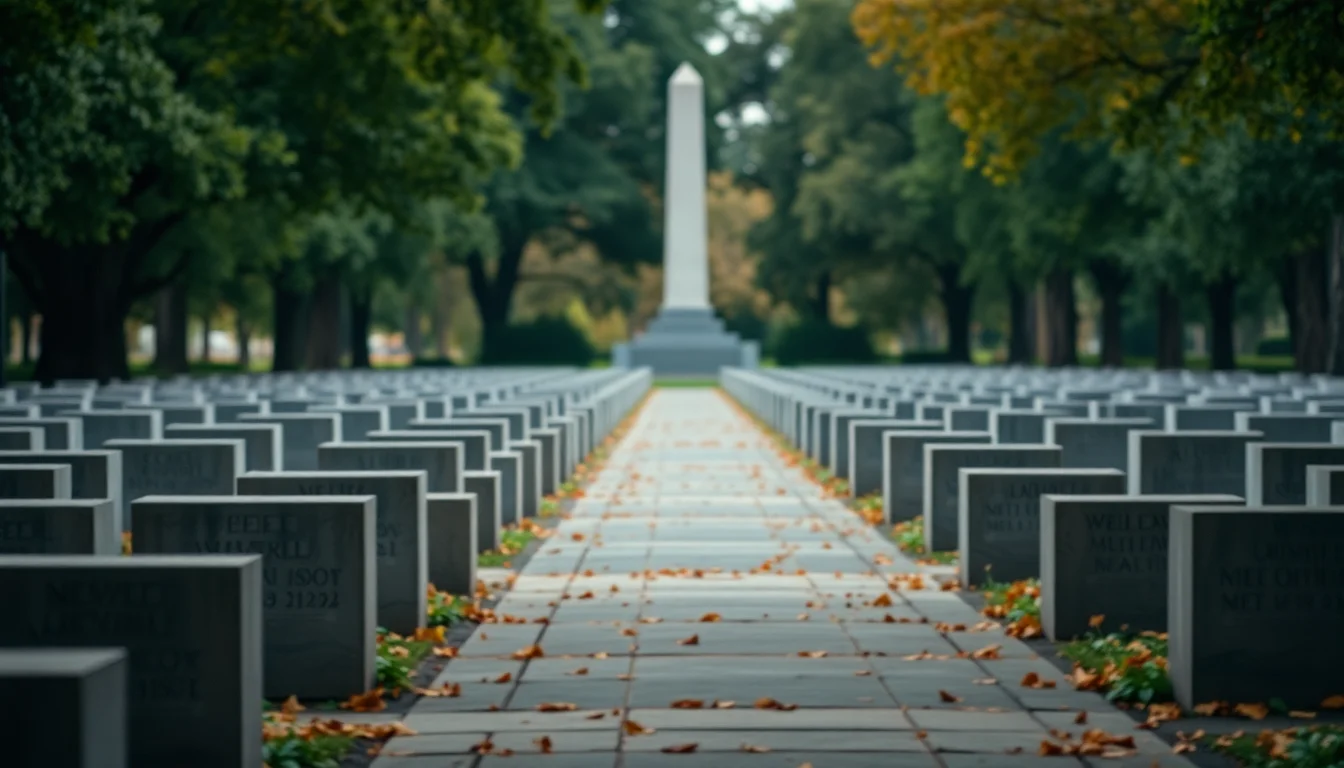
Memorial parks function by integrating several key elements: commemorative spaces, natural landscapes, and often, burial grounds. The commemorative aspect can range from individual gravestones and mausoleums to large monuments, plaques, or themed gardens dedicated to specific groups or events, such as war veterans or victims of natural disasters. The park element involves careful landscape design, incorporating trees, gardens, walking paths, and water features to create a serene and aesthetically pleasing environment conducive to reflection. Burial within a memorial park can follow various traditions, from traditional interment to cremation with ashes scattered or interred in designated areas. Many modern memorial parks also incorporate visitor centers, educational exhibits, and even recreational facilities, blurring the lines between solemn memorial and accessible public space.
📊 Key Facts & Numbers
Globally, the scale of memorial parks varies dramatically. The market for cemetery and memorial park services is substantial. Many cemeteries operate under the memorial park model. Sites like the Normandy American Cemetery and Memorial in France serve as poignant reminders of historical events. The U.S. cemetery and funeral home industry generates substantial annual revenue, reflecting the enduring cultural significance of these spaces.
👥 Key People & Organizations
Key figures in the development of the memorial park concept include landscape architects and urban planners who championed the integration of green spaces with commemorative functions. Frederick Law Olmsted, renowned for designing Central Park, also influenced cemetery design with his emphasis on naturalistic beauty and public access, principles that carried over into memorial parks. Organizations like the National Association of Funeral Directors and the Smithsonian National Museum of American History document and preserve the history and cultural significance of memorialization practices. Specific memorial parks, such as the Arlington National Cemetery, have become synonymous with national remembrance, managed by government bodies like the U.S. Department of the Army.
🌍 Cultural Impact & Influence
Memorial parks have profoundly influenced urban planning, landscape architecture, and cultural attitudes towards death and remembrance. They have transformed cemeteries from purely functional burial grounds into integral parts of the urban fabric and national heritage. The aesthetic principles of the Arts and Crafts Movement and the Garden City Movement often informed their design, emphasizing craftsmanship, natural materials, and community well-being. Culturally, these parks provide accessible spaces for collective grieving and historical education, fostering a sense of shared identity and memory. They have also inspired countless artistic works, from photography and literature to film, capturing the unique atmosphere and emotional resonance of these sites.
⚡ Current State & Latest Developments
In the current landscape (2024-2025), memorial parks are increasingly adapting to changing societal needs and preferences. There's a growing trend towards cremation and alternative memorialization methods, leading many parks to offer columbaria, memorial gardens for ashes, and digital memorialization options. Sustainability is also a major focus, with many parks implementing eco-friendly practices like natural burial grounds, reduced pesticide use, and water conservation. Technology is playing a larger role, with some parks offering virtual tours, online memorial pages, and GPS-enabled navigation to locate gravesites. The COVID-19 pandemic, in particular, highlighted the need for accessible and meaningful memorial spaces, spurring renewed interest in their design and function.
🤔 Controversies & Debates
Controversies surrounding memorial parks often revolve around issues of land use, accessibility, and the commercialization of death. Debates can arise over the allocation of land for burial versus other public uses, especially in densely populated urban areas. The cost of plots and services can also be a point of contention, raising questions about equitable access to memorialization. Furthermore, the aesthetic and thematic choices made in designing memorials can be debated, particularly when they commemorate controversial historical events or figures. Some critics argue that the 'park' aspect can sometimes trivialize the solemnity of remembrance, while others champion the therapeutic benefits of serene, accessible spaces for grieving and reflection.
🔮 Future Outlook & Predictions
The future of memorial parks likely involves a deeper integration of technology and a continued emphasis on sustainability and personalized remembrance. Expect to see more 'smart cemeteries' with augmented reality features, digital archives of those interred, and advanced environmental monitoring. The concept of 'living memorials' – parks that actively contribute to ecological restoration or community well-being – will likely gain traction. As populations grow and land becomes scarcer, innovative solutions for memorialization, such as vertical burial structures or shared memorial spaces, may become more prevalent. The focus will remain on creating spaces that are not only respectful tributes but also vibrant, accessible, and enduring parts of the community.
💡 Practical Applications
Memorial parks have diverse practical applications beyond their primary function of remembrance. They serve as vital green spaces in urban environments, offering ecological benefits like air purification and habitat for wildlife. Many are utilized for educational purposes, hosting school trips focused on history, nature, or civic duty. Certain memorial parks, particularly those with significant historical or architectural merit, function as tourist attractions, drawing visitors interested in history, art, and landscape design. They can also be venues for community events, such as remembrance ceremonies, concerts, or art installations, fostering a sense of shared heritage and community engagement.
Key Facts
- Category
- places
- Type
- place