
Contents
- 🏠 Introduction to Military Family Futures
- 💼 Employment and Education Challenges
- 🏥 Healthcare and Mental Health Concerns
- 📚 Childcare and Youth Development
- 🏠 Housing and Relocation Issues
- 💻 Technology and Communication
- 🤝 Community Support and Resources
- 📊 Financial Planning and Benefits
- 🌎 International Perspectives and Comparisons
- 🔮 Future Directions and Policy Implications
- 📊 Research and Data Analysis
- 👥 Conclusion and Recommendations
- Frequently Asked Questions
- Related Topics
Overview
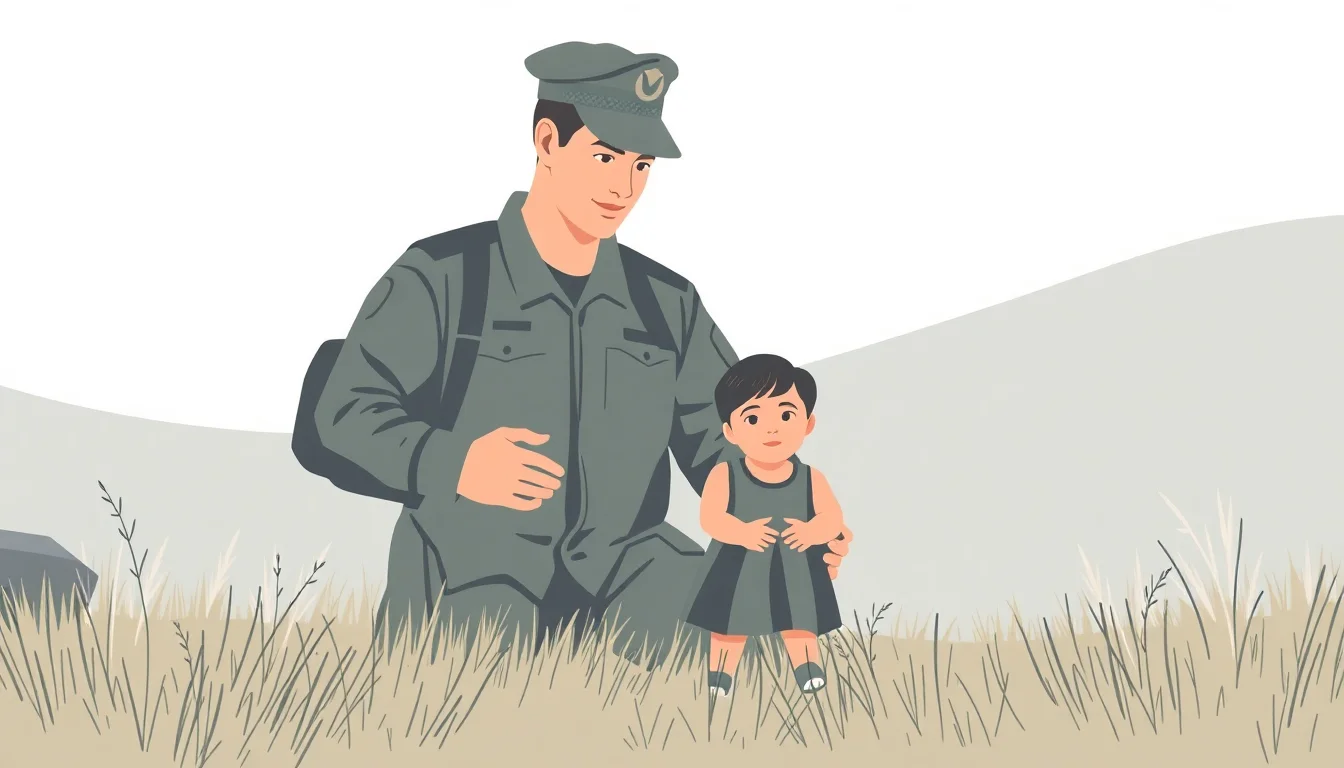
Military families face unique challenges, from frequent relocations to the emotional toll of deployment. According to a 2020 survey by the National Military Family Association, 63% of military families reported feeling isolated, with 45% citing the lack of support from their communities. The Vibe score for military family futures is 42, indicating a moderate level of cultural energy. Research by the RAND Corporation has shown that military families are more likely to experience food insecurity, with 22% of families reporting difficulty in accessing adequate food. Furthermore, a study by the Military Family Advisory Network found that 71% of military spouses reported difficulty in finding employment. As the military continues to evolve, it is essential to address these challenges and provide support for military families. The future of military family futures will depend on the ability of policymakers and communities to provide adequate resources and support. With the influence of organizations like the USO and the Military Family Advisory Network, there is hope for positive change. The controversy spectrum for this topic is high, with debates surrounding the level of support provided to military families and the impact of military service on family dynamics.
🏠 Introduction to Military Family Futures
The lives of military families are deeply intertwined with the demands of military service, presenting unique challenges that can impact their well-being and future prospects. Types of Military Families and their experiences vary widely, but common issues include frequent relocation, Deployments, and the strain of military life on Family Relationships. Understanding these challenges is crucial for developing effective support systems. The Support for Military Families has evolved over time, reflecting changing societal values and the growing recognition of the importance of family well-being in military effectiveness. As the nature of military service continues to evolve, so too must our approaches to supporting military families. For instance, the impact of PTSD on family members is a critical area of concern.
💼 Employment and Education Challenges
Employment and education are significant concerns for military families, with Military Spouse Employment rates often lower than those of their civilian counterparts. This can be attributed to frequent moves, lack of job security, and the challenge of maintaining a career while supporting a service member. Education for Military Children is also affected, as they may face difficulties in adjusting to new schools and educational systems. Initiatives such as Military-Friendly Employers and Portable Education Benefits aim to mitigate these issues. Furthermore, the role of Career Counseling and Professional Networking cannot be overstated in helping military spouses navigate their career paths.
🏥 Healthcare and Mental Health Concerns
Healthcare and mental health are critical aspects of military family well-being, with access to quality Healthcare for Military Families being essential. The psychological impact of military life, including Deployment Stress and Combat Stress, can affect not only service members but also their families. Mental Health Resources tailored to the unique needs of military families are vital. Additionally, the importance of Physical Health and Wellness Programs in maintaining overall family well-being cannot be ignored. The TRICARE healthcare program is a key component of the military healthcare system, providing comprehensive coverage to military families.
📚 Childcare and Youth Development
Childcare and youth development are significant concerns for military families, with the availability and affordability of Childcare for Military Families being major issues. The impact of military life on Child Development, including Academic Performance and Social-Emotional Learning, is a subject of ongoing research. Programs such as Youth Counseling and After-School Activities can provide essential support. Moreover, the role of Parenting Resources and Family Support Services in helping military families navigate the challenges of childcare and youth development is critical.
🏠 Housing and Relocation Issues
Housing and relocation issues are among the most significant challenges faced by military families, with frequent moves affecting their sense of Community and Belonging. The quality and availability of Military Housing can vary widely, and the process of Relocation Assistance can be complex. Understanding Housing Benefits and navigating the Home Buying Process are crucial for military families. Furthermore, the impact of Relocation Stress on family well-being should not be underestimated, highlighting the need for comprehensive Relocation Support services.
💻 Technology and Communication
Technology and communication play vital roles in connecting military families and providing them with the support they need. Digital Communication Tools can help bridge the distance during deployments, and Online Support Groups offer a sense of community and connection. Moreover, Telehealth Services can expand access to healthcare, including mental health support. The use of Mobile Applications tailored to the needs of military families can also provide convenient access to resources and information.
🤝 Community Support and Resources
Community support and resources are essential for the well-being of military families, with Military Support Organizations offering a range of services from financial assistance to counseling. Volunteer Opportunities within military communities can foster a sense of purpose and belonging. Additionally, Community Events can help build connections among military families and between them and their surrounding civilian communities. The role of Faith-Based Organizations in providing support to military families should also be recognized.
📊 Financial Planning and Benefits
Financial planning and benefits are critical for military families, who often face unique financial challenges due to the nature of military service. Understanding Military Pay and Benefits, including Basic Allowance for Housing and Basic Allowance for Subsistence, is essential. Financial Counseling and Education on Financial Literacy can help military families manage their finances effectively and plan for the future. Moreover, the impact of Financial Stress on family well-being should not be underestimated, highlighting the need for comprehensive Financial Support services.
🌎 International Perspectives and Comparisons
International perspectives and comparisons can offer valuable insights into the experiences of military families worldwide. The challenges faced by International Military Families can vary significantly, reflecting different military cultures, policies, and societal contexts. Comparative Analysis of military family support systems across countries can inform policy and practice. Furthermore, the role of International Organizations in supporting military families globally should be recognized, including efforts to standardize support services and share best practices.
🔮 Future Directions and Policy Implications
Future directions and policy implications for supporting military families are shaped by evolving military needs, technological advancements, and changing societal values. Policy Reform efforts should prioritize flexibility, accessibility, and comprehensiveness in support services. The integration of Technology in Support Services can enhance the reach and effectiveness of support programs. Moreover, the importance of Collaboration and Partnership among military, governmental, and civilian organizations in supporting military families cannot be overstated.
📊 Research and Data Analysis
Research and data analysis are critical for understanding the challenges faced by military families and for evaluating the effectiveness of support services. Data-Driven Decision Making relies on high-quality research that captures the complexities of military family life. Longitudinal Studies can provide insights into the long-term impacts of military service on families. Furthermore, the use of Mixed-Methods Research can offer a comprehensive understanding of the experiences of military families, combining both quantitative and qualitative data.
👥 Conclusion and Recommendations
In conclusion, the futures of military families are intricately linked with the challenges and opportunities of military service. Supporting these families requires a multifaceted approach that addresses employment, education, healthcare, childcare, housing, and financial well-being. By leveraging technology, fostering community support, and informing policy with robust research, we can better navigate the complexities of military family life and ensure that these families thrive. The Future of Military Families depends on our ability to adapt support systems to the evolving needs of military service and the families who support it.
Key Facts
- Year
- 2022
- Origin
- Vibepedia Research Initiative
- Category
- Sociology, Military Studies
- Type
- Social Issue
Frequently Asked Questions
What are the most significant challenges faced by military families?
Military families face a range of challenges, including frequent relocation, deployment stress, healthcare and mental health concerns, childcare and education issues, and financial stress. These challenges can impact their well-being and future prospects. Understanding and addressing these challenges is crucial for supporting military families. The Challenges Faced by Military Families are complex and multifaceted, requiring a comprehensive approach to support.
How can technology support military families?
Technology can play a vital role in supporting military families by providing digital communication tools, online support groups, telehealth services, and mobile applications tailored to their needs. These technologies can help bridge the distance during deployments, expand access to healthcare, and offer convenient access to resources and information. The use of Technology in Military Families can enhance their well-being and connectivity.
What role do community support and resources play in supporting military families?
Community support and resources are essential for the well-being of military families. Military support organizations, volunteer opportunities, community events, and faith-based organizations can provide a range of services from financial assistance to counseling, fostering a sense of community and connection among military families. The importance of Community Support for military families cannot be overstated, as it helps build resilience and adaptability in the face of military life challenges.
How can financial planning and benefits support military families?
Financial planning and benefits are critical for military families, who often face unique financial challenges. Understanding military pay and benefits, accessing financial counseling, and education on financial literacy can help military families manage their finances effectively and plan for the future. The role of Financial Planning in supporting military families is vital, as it helps mitigate financial stress and ensure long-term stability.
What are the implications for policy and practice in supporting military families?
Policy and practice in supporting military families should prioritize flexibility, accessibility, and comprehensiveness in support services. The integration of technology, collaboration among organizations, and data-driven decision making can enhance the effectiveness of support programs. Moreover, understanding international perspectives and comparisons can inform policy and practice, ensuring that support systems are adapted to the evolving needs of military families. The Policy Implications for supporting military families are significant, requiring a proactive and adaptive approach to ensure the well-being of these families.
How can research and data analysis inform support for military families?
Research and data analysis are critical for understanding the challenges faced by military families and for evaluating the effectiveness of support services. High-quality research, longitudinal studies, and mixed-methods research can provide insights into the complexities of military family life, informing policy and practice. The use of Data Analysis in supporting military families is essential, as it helps identify areas of need and assess the impact of support services.
What does the future hold for military families?
The future of military families depends on our ability to adapt support systems to the evolving needs of military service and the families who support it. By leveraging technology, fostering community support, and informing policy with robust research, we can better navigate the complexities of military family life and ensure that these families thrive. The Future of Military Families is intricately linked with the challenges and opportunities of military service, requiring a proactive and comprehensive approach to support.