
Contents
Overview
The history of Mindanao is a deep narrative stretching back millennia, marked by early trade with China. The arrival of Islam, primarily through Arab and Malay traders, led to the establishment of sultanates like the Sultanate of Sulu and the Sultanate of Maguindanao, which wielded significant political and religious influence across the island for centuries. The Spanish colonial era saw prolonged resistance from these Muslim polities, a conflict that differed starkly from their subjugation of Luzon. The United States took control after the Spanish-American War, implementing policies that encouraged Christian migration from Luzon and the Visayas, fundamentally altering the island's demographic and socio-political landscape. This migration, coupled with ongoing land disputes and political marginalization, sowed the seeds for future conflicts. The post-independence period saw the rise of ethno-religious tensions, culminating in the Moro insurgency, a complex struggle for self-determination and greater autonomy for the Muslim-majority areas, often referred to as the 'Moro homeland'. The establishment of the Autonomous Region in Muslim Mindanao (ARMM) and its subsequent transformation into the Bangsamoro Autonomous Region in Muslim Mindanao (BARMM) represent significant milestones in this ongoing quest for peace and self-governance, though challenges persist.
⚙️ Geography & Demographics
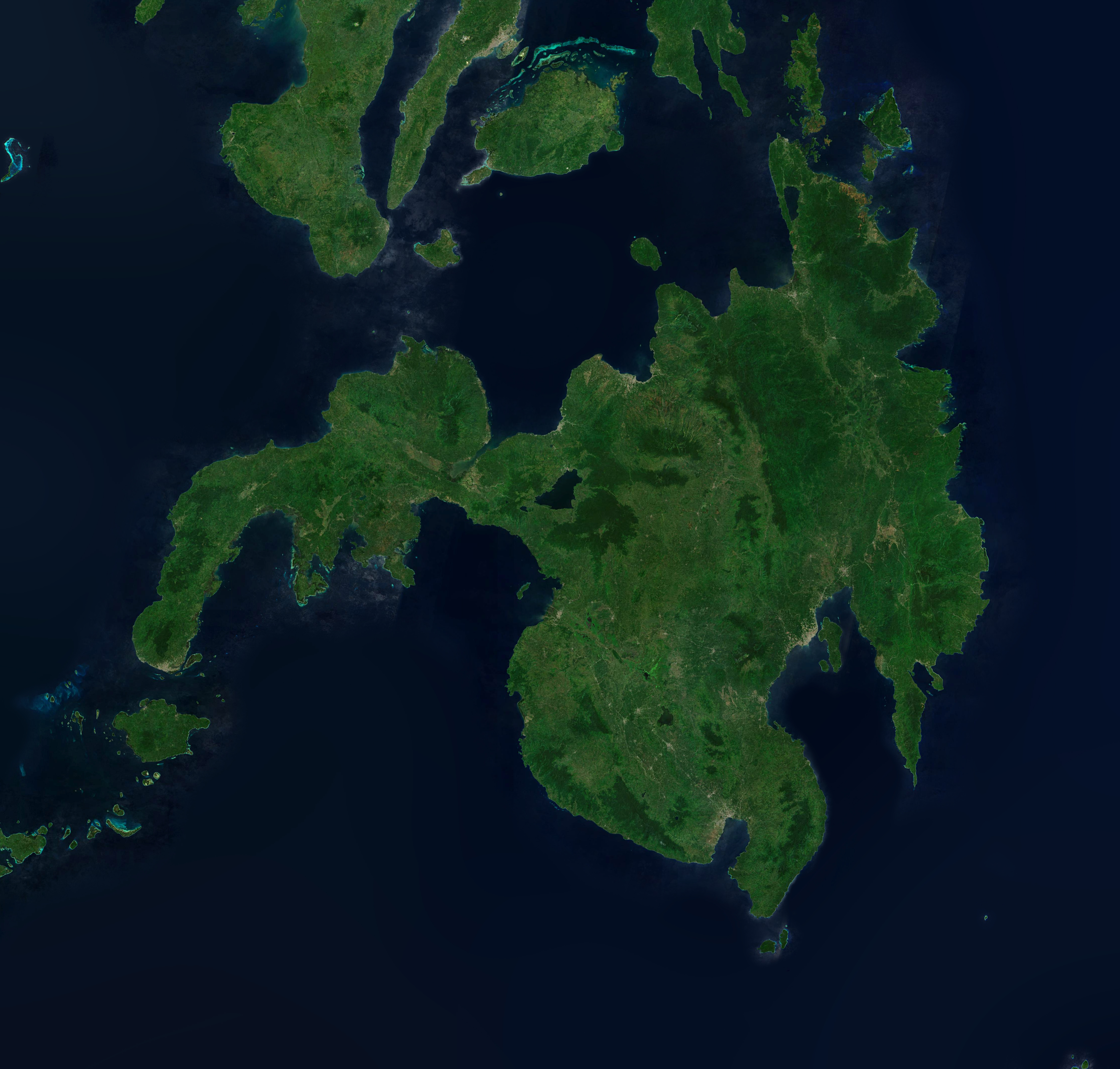
Mindanao is the second-largest island in the Philippines, covering approximately 97,530 square kilometers (37,660 sq mi), and is characterized by a diverse topography. It features volcanic mountain ranges, including the country's highest peak, Mount Apo, lush rainforests, extensive coastlines, and fertile plains ideal for agriculture. The island is divided into six administrative regions: Zamboanga Peninsula, Northern Mindanao, Caraga, Davao Region, Soccsksargen, and the Bangsamoro Autonomous Region in Muslim Mindanao (BARMM). The population is a rich tapestry of indigenous peoples (such as the Lumad groups), Christian settlers and their descendants, and the Bangsamoro people (including Maranao, Tausug, Maguindanao, and Sama), each contributing unique cultural traditions, languages, and dialects. While Christianity, particularly Catholicism, is the dominant religion in many areas, Islam is deeply ingrained in the southern regions, and indigenous animist beliefs persist among various communities.
📊 Key Facts & Numbers
As of the 2020 census, Mindanao's population stood at 26,252,442. The entire Mindanao island group, including adjacent islands, had an estimated population of 27,384,138 as of 2024. Davao City is the island's most populous city, followed by Zamboanga City and Cagayan de Oro. Mindanao is a significant contributor to the Philippine economy, particularly in agriculture, with major exports including bananas, pineapples, coconuts, and abaca. The island holds substantial reserves of mineral resources, such as gold, copper, and nickel, though large-scale mining operations are often subject to environmental and social scrutiny. The region's Gross Regional Domestic Product (GRDP) is a substantial portion of the national economy, with the Davao Region often leading in economic output.
👥 Key People & Organizations
Key figures associated with Mindanao are numerous and span political, cultural, and religious spheres. Nur Misuari, a prominent Moro leader, played a pivotal role in the Moro struggle for self-determination and the eventual establishment of the ARMM. Aquilino Pimentel Jr., a staunch opposition leader, was instrumental in advocating for federalism in the Philippines, a political model often discussed in relation to Mindanao's governance. Religious leaders like Archbishop Gregorio Pantoja have worked towards interfaith dialogue and peacebuilding. Organizations such as the Bangsamoro Transition Authority are currently at the forefront of governing the BARMM, aiming to implement peace agreements and foster development. Corporate giants like Lapanday Foods Corporation and Dole Food Company have significant agricultural operations on the island, shaping its economic landscape.
🌍 Cultural Impact & Influence
Mindanao's cultural influence extends through its unique indigenous traditions, Islamic heritage, and vibrant artistic expressions. The Lumad peoples of Mindanao, comprising numerous distinct ethnolinguistic groups, possess rich oral traditions, intricate weaving patterns, and unique musical instruments, such as the kulintang ensemble. The Islamic sultanates left a legacy of distinct architecture, calligraphy, and a strong sense of community identity, particularly evident in areas like Marawi City. Mindanao's cuisine reflects its diverse influences, featuring dishes like sinuglaw (a fish ceviche) and piaparan (a coconut-based stew). The island's natural beauty has also inspired countless artists, writers, and filmmakers, contributing to a broader appreciation of Philippine biodiversity and cultural richness. The ongoing peace process in BARMM, while fraught with challenges, also represents a significant cultural and political development, aiming to reconcile diverse identities and foster a shared future.
⚡ Current State & Latest Developments
As of 2024, Mindanao is navigating a complex period of post-conflict transition and development. The Bangsamoro Autonomous Region in Muslim Mindanao (BARMM), established in 2019, is in its transitional phase, working to build robust governance structures, disarm former combatants, and implement socio-economic programs. The region has seen significant infrastructure projects, including road networks and educational facilities, funded by both national government allocations and international development partners like the World Bank and the Asian Development Bank. Economic activity, particularly in agriculture and emerging industries, continues to grow, with Davao City solidifying its position as a major economic hub. However, challenges remain, including persistent poverty, the lingering threat of extremist groups, and the need for equitable resource management. The Philippine government, under President Bongbong Marcos, continues to prioritize peace and development initiatives in Mindanao, engaging with local leaders and international bodies to ensure stability and progress.
🤔 Controversies & Debates
Mindanao is a site of significant controversy, primarily stemming from its long history of conflict and socio-economic disparities. The Moro insurgency, a decades-long struggle for self-determination by Muslim Filipinos, has led to immense loss of life and displacement, with groups like the Moro Islamic Liberation Front (MILF) and the Moro National Liberation Front (MNLF) being central actors. The presence of extremist groups, such as the Abu Sayyaf Group and factions aligned with ISIS, continues to pose a security threat, leading to events like the Siege of Marawi in 2017. Land rights and ancestral domain claims by indigenous Lumad communities are another point of contention, often clashing with large-scale agricultural projects and mining operations. Debates also surround the effectiveness and implementation of the Bangsamoro Organic Law, with differing views on the pace and scope of autonomy and development within BARMM.
🔮 Future Outlook & Predictions
The future of Mindanao hinges on the successful implementation of the Bangsamoro Organic Law and the sustained commitment to peacebuilding efforts. Experts predict continued economic growth, particularly in agriculture and potentially in renewable energy sectors, driven by the island's natural resources and a growing young population. The full operationalization of the BARMM g
Key Facts
- Category
- place
- Type
- topic