
Contents
- 👑 What Are America's Crown Jewels?
- 🗺️ Where to Find These Natural Wonders
- ⏰ When to Visit for the Best Experience
- 💰 Entrance Fees and the America the Beautiful Pass
- ⭐ Visitor Ratings and Popularity
- 🚗 Getting Around and Planning Your Trip
- 🏕️ Beyond the Views: Activities and Experiences
- ⚖️ The Evolving Legacy: Preservation vs. Access
- 💡 Pro Tips for Your National Park Adventure
- 🚀 How to Start Your National Park Journey
- Frequently Asked Questions
- Related Topics
Overview
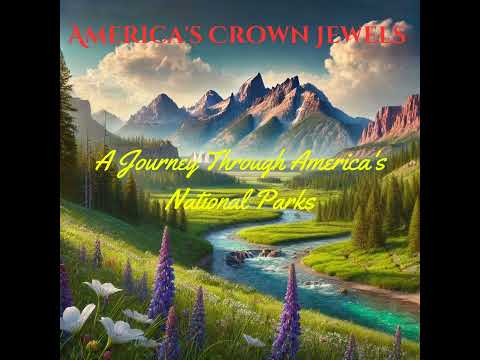
America's National Parks, often dubbed 'Crown Jewels,' are a collection of over 400 sites managed by the National Park Service (NPS). These aren't just pretty landscapes; they are designated for their outstanding natural, cultural, and recreational values. From the geysers of Yellowstone to the ancient cliff dwellings of Mesa Verde, these parks preserve America's heritage for future generations. The system, established by the Antiquities Act, encompasses national parks, monuments, battlefields, historic sites, and more, each offering a unique window into the nation's soul. Understanding the NPS mission is key to appreciating the delicate balance between preservation and public enjoyment.
🗺️ Where to Find These Natural Wonders
The sheer geographic spread of the National Parks is staggering, touching every state and territory. You'll find iconic parks like Grand Canyon in Arizona, Yosemite in California, and Zion in Utah, forming the popular 'Grand Circle' for road-trippers. But don't overlook the vast wilderness of Denali in Alaska, the unique ecosystems of Everglades in Florida, or the historic battlefields of the East Coast. Each park has its own distinct climate and accessibility, requiring specific planning depending on your starting point and desired experience. Consulting the official NPS.gov is your first step to pinpointing locations.
⏰ When to Visit for the Best Experience
The 'best' time to visit America's Crown Jewels is highly subjective and depends on your tolerance for crowds and weather. Spring (April-May) and Fall (September-October) often offer milder temperatures and fewer visitors, making them ideal for hiking and wildlife viewing in many popular parks. Summer (June-August) is peak season, with warm weather but significant crowds and higher accommodation prices, especially in parks like Acadia. Winter (December-February) can transform parks like Rocky Mountain into snow-covered paradises, offering solitude but limiting access to certain areas and activities. Always check individual park websites for seasonal closures and advisories.
💰 Entrance Fees and the America the Beautiful Pass
Access to most national parks requires an entrance fee, typically per vehicle or per person, valid for 7 days. However, the most cost-effective option for frequent visitors is the America the Beautiful Pass. For an annual fee of $80, this pass grants access to all national parks and federal recreation lands for a full year, covering the pass holder and any accompanying passengers in a single, non-commercial vehicle. This pass is a phenomenal deal, especially if you plan to visit multiple parks within a 12-month period. Fee-free days are also offered at select parks throughout the year, so keep an eye on the NPS calendar.
⭐ Visitor Ratings and Popularity
Visitor ratings for national parks are consistently high, often exceeding 4.5 out of 5 stars on travel platforms. Parks like Yellowstone and Grand Canyon frequently rank among the most visited, drawing millions of people annually. This popularity, while a testament to their beauty, can lead to overcrowding, particularly during peak seasons. Some visitors prefer lesser-known parks like North Cascades or Great Basin for a more solitary experience. Understanding the Vibe Score for each park can help gauge its general atmosphere and crowd levels.
🚗 Getting Around and Planning Your Trip
Navigating the vastness of the parks requires careful planning. Most major parks have well-maintained road systems, but some remote areas may require high-clearance vehicles or even hiking. Shuttle systems are common in heavily trafficked parks like Zion and Yosemite to reduce congestion. Lodging options range from historic lodges within park boundaries (book far in advance) to campgrounds and hotels in gateway towns. Download offline maps, check road conditions, and be prepared for limited cell service. The NPS mobile app is an invaluable tool for planning and on-the-ground navigation.
🏕️ Beyond the Views: Activities and Experiences
The allure of the National Parks extends far beyond scenic overlooks. Hiking trails abound, from easy strolls to strenuous multi-day treks. Wildlife viewing is a major draw, with opportunities to spot bison, elk, bears, and countless bird species. Ranger-led programs offer educational insights into geology, history, and ecology. For the adventurous, activities like kayaking, rock climbing, stargazing (many parks are International Dark Sky Parks), and even backcountry camping are readily available. Always adhere to park regulations regarding wildlife interaction and Leave No Trace principles.
⚖️ The Evolving Legacy: Preservation vs. Access
The legacy of the National Parks is one of constant tension between preservation and public access. The NPS grapples with issues like climate change impacts, invasive species, and the ever-increasing visitor numbers. Debates rage over the best methods for managing these delicate ecosystems while accommodating millions of tourists. Some argue for stricter visitor limits or increased fees to fund conservation, while others champion broader access and education. The future of these 'Crown Jewels' hinges on finding sustainable solutions that honor both their natural integrity and their role as public treasures.
💡 Pro Tips for Your National Park Adventure
To truly make the most of your national park visit, embrace these practical tips. Book accommodations and popular tours months, if not a year, in advance, especially for iconic lodges. Pack layers of clothing, as mountain weather can change rapidly. Bring plenty of water and snacks, as services can be sparse within park boundaries. Download park maps and information offline before you arrive, as cell service is often unreliable. Respect wildlife by maintaining a safe distance and never feeding animals. Familiarize yourself with Leave No Trace to minimize your impact on these pristine environments.
🚀 How to Start Your National Park Journey
Embarking on your national park adventure is simpler than you might think. Start by identifying which parks pique your interest based on landscapes, activities, or proximity. Visit the official NPS.gov to explore park details, check current conditions, and reserve permits or lodging. Consider purchasing an America the Beautiful Pass if you plan multiple visits. Download the NPS app for on-the-go information. Finally, pack your bags, your sense of wonder, and get ready to experience some of America's most spectacular treasures.
Key Facts
- Year
- 1916
- Origin
- United States
- Category
- Travel & Recreation
- Type
- Organization/System
Frequently Asked Questions
What is the difference between a National Park and a National Monument?
While both are managed by the NPS, National Parks are typically designated for their outstanding natural beauty and recreational opportunities, often encompassing larger areas. National Monuments can be established by the President under the Antiquities Act to protect specific natural or historical features of scientific or historical interest, and can be smaller in scale. Both are vital components of the NPS system, preserving unique aspects of American heritage.
Are pets allowed in National Parks?
Pet policies vary significantly by park. Generally, pets are allowed in developed areas, campgrounds, and along roads, but are often prohibited on hiking trails, in backcountry areas, and in park buildings to protect wildlife and sensitive ecosystems. Always check the specific park's pet regulations on the NPS.gov before your visit. Leashes are almost always required.
How do I book lodging inside a National Park?
Lodging inside national parks, such as historic lodges or cabins, is managed by concessioners contracted by the NPS. These accommodations are extremely popular and often book up a year or more in advance. You'll need to visit the specific park's lodging page on NPS.gov to find links to the official concessioner's booking website. Early planning is crucial.
What are the busiest National Parks?
The busiest national parks, based on annual visitation numbers, consistently include Great Smoky Mountains, Grand Canyon, Zion, Rocky Mountain, and Acadia. These parks attract millions of visitors each year, especially during summer months. Planning for crowds, considering shoulder seasons, or visiting less-trafficked parks can enhance your experience.
Can I camp in a National Park?
Yes, camping is a popular way to experience National Parks. Most parks offer campgrounds, ranging from primitive backcountry sites to developed campgrounds with amenities like restrooms and potable water. Reservations are often required, especially for popular campgrounds during peak season, and can be made through Recreation.gov. Backcountry camping usually requires a permit obtained in advance.
What is the 'America the Beautiful' Pass?
The 'America the Beautiful' Pass is an annual pass that provides access to more than 2,000 federal recreation sites across the United States, including all National Parks. For $80, it covers entrance fees for a year for the pass holder and any accompanying passengers in a single, non-commercial vehicle. It's an excellent value for anyone planning to visit multiple federal lands within a 12-month period.