
Contents
Overview
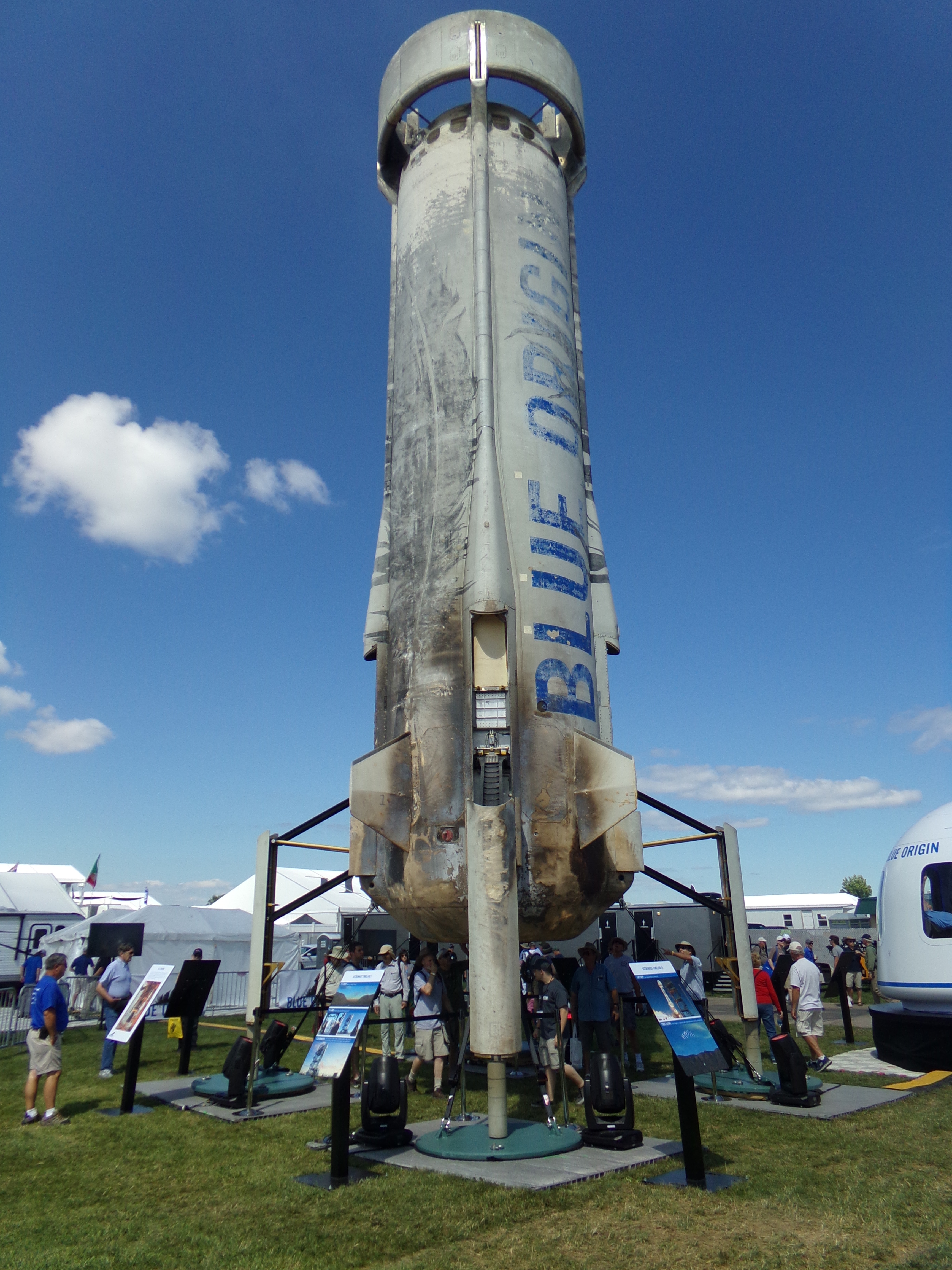
New Shepard was first announced in 2011 by Blue Origin, with the goal of developing a reusable suborbital launch system. The system is named after Alan Shepard, the first American in space, who flew aboard the Freedom 7 spacecraft in 1961. The development of New Shepard was led by Jeff Bezos, the founder of Blue Origin, who has stated that the system is designed to be a stepping stone for further human spaceflight development, including orbital flights and lunar missions. Companies like SpaceX, founded by Elon Musk, and Virgin Galactic, founded by Richard Branson, have also been working on similar suborbital launch systems, such as the Dragon and SpaceShipTwo, respectively.
🔧 How It Works
New Shepard consists of two main components: the crew capsule and the propulsion module. The crew capsule is designed to carry astronauts to an altitude of over 100 km, while the propulsion module provides the thrust needed to reach space. The system uses a combination of liquid oxygen and hydrogen fuel, similar to the Saturn V rocket that took astronauts to the Moon during the Apollo program. The crew capsule is equipped with a pressurized cabin, seats, and windows, allowing astronauts to experience the thrill of spaceflight. The development of New Shepard has been influenced by the work of NASA, particularly the Apollo program, and has also been compared to other suborbital launch systems, such as the X-15, developed by North American Aviation.
🌟 Cultural Impact
New Shepard has had a significant cultural impact, with its successful crewed flights marking a major milestone in the development of commercial spaceflight. The system has also sparked interest in space tourism, with many people eager to experience the thrill of spaceflight. Companies like Virgin Galactic and SpaceX have also been working on space tourism initiatives, with the goal of making space travel more accessible to the general public. The success of New Shepard has also been recognized by the space community, with the system being awarded the prestigious Collier Trophy in 2022, an award that has also been given to other notable spaceflight achievements, such as the Apollo 11 mission and the International Space Station.
🚀 Legacy & Future
The legacy of New Shepard is still being written, but it is clear that the system has played a significant role in the development of commercial spaceflight. The system has demonstrated the feasibility of reusable suborbital launch systems and has paved the way for further human spaceflight development. Blue Origin has announced plans to use New Shepard as a stepping stone for further spaceflight development, including orbital flights and lunar missions. The company has also partnered with other organizations, such as NASA and the European Space Agency, to develop new spaceflight technologies and capabilities, such as the BE-4 engine, which will be used in the Vulcan rocket developed by United Launch Alliance.
Key Facts
- Year
- 2011
- Origin
- United States
- Category
- technology
- Type
- technology
Frequently Asked Questions
What is New Shepard?
New Shepard is a reusable suborbital launch system developed by Blue Origin.
Who is New Shepard named after?
New Shepard is named after Alan Shepard, the first American in space.
What is the purpose of New Shepard?
The purpose of New Shepard is to develop a reusable suborbital launch system capable of carrying astronauts and payloads to an altitude of over 100 km.
Who has flown on New Shepard?
The first crewed flight of New Shepard took place in July 2021, carrying Jeff Bezos, Mark Bezos, Wally Funk, and Oliver Daemen to space.
What is the significance of New Shepard?
New Shepard has demonstrated the feasibility of reusable suborbital launch systems and has paved the way for further human spaceflight development.