
Contents
- 🎵 Origins & History
- ⚙️ How It Works
- 📊 Key Facts & Numbers
- 👥 Key People & Organizations
- 🌍 Cultural Impact & Influence
- ⚡ Current State & Latest Developments
- 🤔 Controversies & Debates
- 🔮 Future Outlook & Predictions
- 💡 Practical Applications
- 📚 Related Topics & Deeper Reading
- Frequently Asked Questions
- References
- Related Topics
Overview
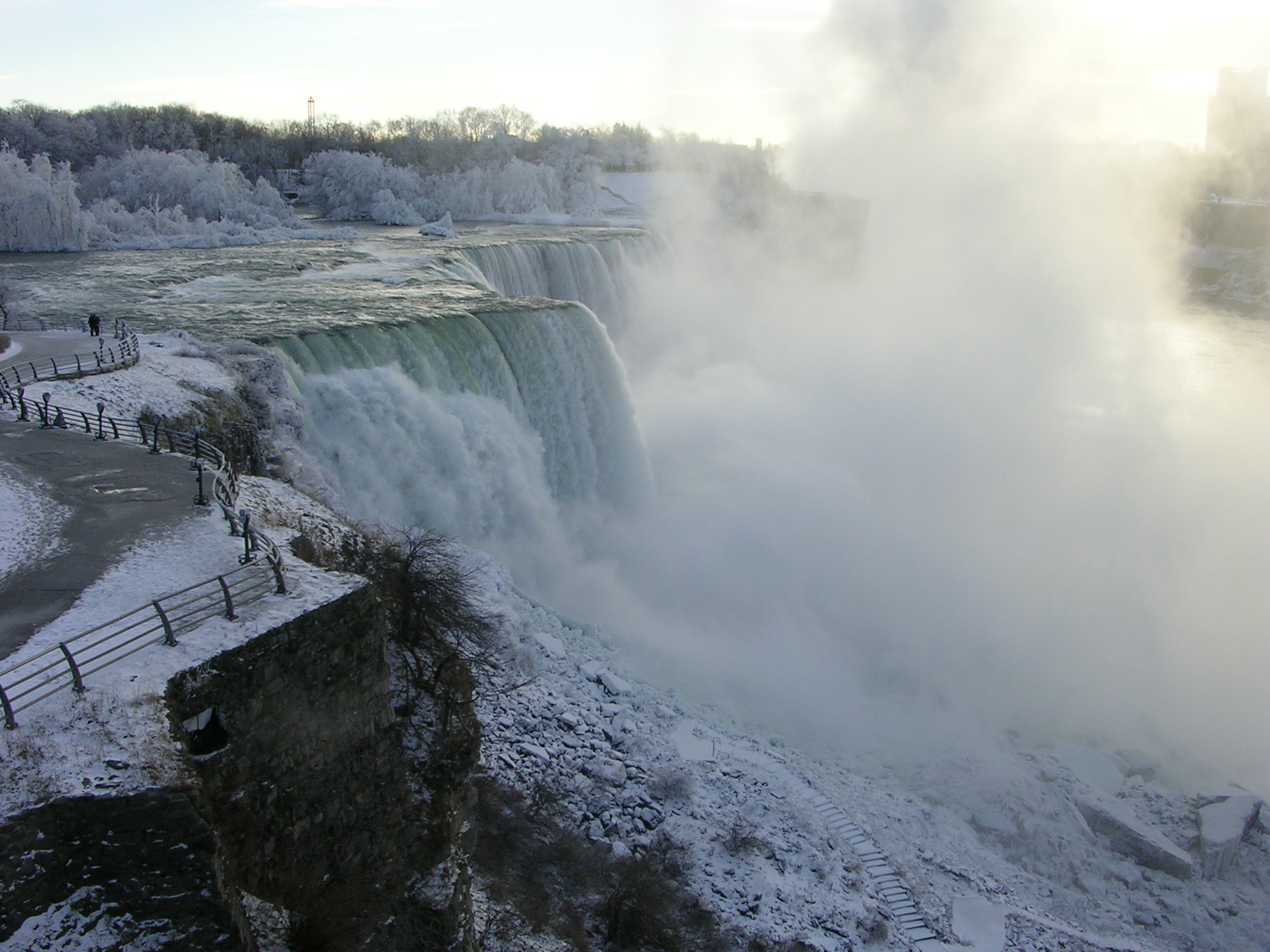
The genesis of New York's state park system can be traced back to the early 20th century, a period of burgeoning conservationism and a growing recognition of the need to preserve natural landscapes for public enjoyment. The establishment of Niagara Falls State Park in 1885, the nation's first state park, served as a crucial precedent, demonstrating the potential for state-level protection of iconic natural wonders. The formal creation of the New York State Office of Parks, Recreation and Historic Preservation (OPRHP) in 1970 consolidated management of many state parks, though its roots extend further back through predecessor agencies. Key figures like Laurance Rockefeller, through his advocacy and philanthropic efforts, played a pivotal role in expanding and enhancing the park system, particularly in the Palisades region. The system's growth has been a continuous process, marked by land acquisitions, the development of new facilities, and the designation of historic sites, reflecting an evolving understanding of conservation and recreation needs.
⚙️ How It Works
New York's state parks operate under a decentralized yet coordinated management structure. The OPRHP is the primary steward, dividing the state into eleven distinct administrative regions, each with its own director and staff responsible for park operations, maintenance, and programming within their geographic area. These regions include the Niagara Region, Finger Lakes Region, and Long Island Region, among others. The Department of Environmental Conservation (DEC) manages the vast wilderness areas of the Adirondack Park and Catskill Park, which, while state-owned, are distinct from the OPRHP's more developed park model. Funding for park operations comes from a combination of state appropriations, user fees (such as entrance fees and camping charges), and private donations, often channeled through park conservancies and friends groups.
📊 Key Facts & Numbers
New York's state park system is a colossal entity, encompassing over 250 parks and historic sites that span more than 370,000 acres of land and over 7,000 miles of trails. In a typical year, these parks welcome upwards of 77 million visitors, a figure that underscores their immense popularity and economic significance. The system boasts an impressive array of facilities, including over 1,000 miles of hiking trails, 1,200 miles of snowmobile trails, 1,000 miles of cross-country ski trails, and 200 miles of biking trails. Furthermore, the parks offer 15,000 campsites, 1,000 picnic areas, and 100 swimming beaches. The economic impact is substantial, with the park system estimated to generate over $1.8 billion in economic activity annually and support more than 20,000 jobs across the state.
👥 Key People & Organizations
The New York State Office of Parks, Recreation and Historic Preservation (OPRHP) is the central governing body, headed by a Commissioner appointed by the Governor. Within OPRHP, various bureaus and divisions manage specific aspects of the park system, including historic preservation, recreation programs, and natural resources. The Department of Environmental Conservation (DEC) plays a critical role in managing the vast wilderness areas of the Adirondack Park and Catskill Park. Numerous non-profit organizations and "Friends of the Park" groups, such as the Palisades Preservation Foundation and the Letchworth Park Friends, work in partnership with the state to support conservation, fundraising, and volunteer efforts. Prominent figures like Laurance Rockefeller have been instrumental in advocating for and funding park development and preservation initiatives throughout the state's history.
🌍 Cultural Impact & Influence
New York's state parks are deeply woven into the cultural fabric of the state, serving as cherished destinations for recreation, education, and community gatherings. They provide accessible venues for a wide range of activities, from family picnics and camping trips to organized sporting events and historical reenactments. Parks like Oliver Hazard Perry State Historic Site offer tangible connections to the state's rich history, while natural areas like Tuxedo Park (though a private entity, it shares the spirit of preservation) and Bear Mountain State Park inspire an appreciation for the natural world. The parks have also served as backdrops for countless personal memories, becoming integral to the identity and shared experiences of New Yorkers. Their influence extends to art, literature, and photography, with many parks becoming subjects of creative works that celebrate their beauty and significance.
⚡ Current State & Latest Developments
In recent years, New York State Parks have focused on enhancing visitor experiences through infrastructure improvements, digital accessibility, and expanded programming. The OPRHP has invested in modernizing campgrounds, improving trail systems, and developing new visitor centers, such as the recent upgrades at Adams State Park. There's a growing emphasis on sustainability and climate resilience, with initiatives aimed at protecting park resources from environmental changes. The COVID-19 pandemic saw a surge in park visitation, prompting OPRHP to implement reservation systems for popular areas and activities to manage crowds and ensure safety. Ongoing efforts also focus on increasing diversity and inclusion within park programming and making these natural and historic resources more accessible to all New Yorkers, including through initiatives like the Empire State Pass.
🤔 Controversies & Debates
The management of New York's vast park system is not without its challenges and debates. A perennial issue is securing adequate and consistent funding, as budget fluctuations can impact maintenance, staffing, and capital improvement projects. Critics sometimes argue that certain parks are underfunded or that development within parks, such as new visitor centers or expanded facilities, can detract from their natural character. The balance between public access and resource preservation is another ongoing discussion, particularly in heavily trafficked areas like Jones Beach State Park. Furthermore, debates arise over the prioritization of resources among the eleven OPRHP regions and the distinct management approaches for OPRHP parks versus the DEC-managed wilderness areas like the Adirondack Park. The role of private conservancies and their influence on park management also sparks discussion.
🔮 Future Outlook & Predictions
The future of New York's state parks hinges on continued investment, adaptation to environmental challenges, and evolving public needs. Projections suggest that visitation will remain high, necessitating ongoing infrastructure upgrades and potentially new management strategies to handle increased demand. Climate change poses a significant threat, with rising sea levels impacting coastal parks like those on Long Island and altered weather patterns affecting ecosystems. There's a growing focus on expanding recreational opportunities, particularly in underserved urban areas, and integrating technology to enhance visitor engagement. The potential for new park designations or the expansion of existing ones remains, driven by conservation efforts and public advocacy, ensuring these vital natural and historical resources are preserved for future generations. The success of initiatives like the Empire State Pass may also shape future access models.
💡 Practical Applications
New York State Parks offer a wealth of practical applications for individuals, communities, and the state's economy. They serve as crucial hubs for outdoor recreation, providing spaces for hiking, camping, fishing, boating, and wildlife observation, contributing to public health and well-being. Historically significant parks, such as Fort Ticonderoga and Old Fort Niagara, function as living history museums, offering educational opportunities and preserving tangible links to the past. The parks are also vital economic engines, attracting millions of tourists annually who spend money on accommodations, dining, and retail, thereby supporting local businesses and creating jobs. Furthermore, many parks host educational programs, environmental stewardship initiatives, and community events, fostering a deeper connection between the public and the natural and cultural heritage of New York.
Key Facts
- Year
- 1885-present
- Origin
- United States
- Category
- nature
- Type
- platform
Frequently Asked Questions
How many state parks are there in New York?
New York State boasts an extensive system of over 250 state parks and historic sites, managed primarily by the Office of Parks, Recreation and Historic Preservation (OPRHP). These parks cover more than 370,000 acres across the state, offering a wide array of natural beauty and recreational opportunities. This number excludes the vast wilderness areas of the Adirondack Park and Catskill Park, which are managed by the Department of Environmental Conservation (DEC) and encompass millions of additional acres.
Who manages New York State Parks?
The majority of New York's state parks are managed by the New York State Office of Parks, Recreation and Historic Preservation (OPRHP), which is organized into eleven administrative regions. However, the immense forest preserves of the Adirondack Park and Catskill Park are overseen by the Department of Environmental Conservation (DEC). This dual management structure reflects the different types of land and recreational uses across the state's protected areas.
What is the economic impact of New York State Parks?
New York State Parks are significant economic drivers, attracting an estimated 77 million visitors annually and generating over $1.8 billion in economic activity each year. This robust visitation supports more than 20,000 jobs across the state, benefiting local communities through tourism-related spending on accommodations, dining, and retail. The parks also contribute to the state's appeal as a destination, drawing both domestic and international travelers to experience its natural and historical attractions.
What are some of the most popular New York State Parks?
Among the most visited and iconic New York State Parks are Niagara Falls State Park, renowned for its breathtaking waterfalls; Letchworth State Park, often called the 'Grand Canyon of the East' for its stunning gorges and waterfalls; and Jones Beach State Park, a popular oceanfront destination on Long Island. Other highly frequented parks include Bear Mountain State Park for its scenic views and hiking trails, and Saratoga State Historic Park for its historical significance and recreational facilities.
Are there controversies surrounding New York State Parks?
Yes, debates frequently arise concerning the funding and maintenance of New York's state parks. Critics often point to underfunding impacting staffing and infrastructure, while others question the balance between development for visitor services and preserving the natural character of the parks. The management of heavily trafficked areas, like Jones Beach State Park, and the allocation of resources across the eleven OPRHP regions are also subjects of discussion. The distinct management approach for the Adirondack Park compared to OPRHP-managed parks also sparks debate.
How can I get involved with supporting New York State Parks?
There are numerous ways to support New York State Parks. Many parks have associated 'Friends of the Park' organizations, such as the Palisades Preservation Foundation, which rely on volunteers and donations for conservation, programming, and facility improvements. Visitors can also contribute by purchasing an Empire State Pass, which provides year-round access to most state parks, or by making direct donations. Volunteering for park clean-up days or special events is another valuable way to contribute to the preservation and enjoyment of these natural and historic treasures.
What is the future outlook for New York State Parks?
The future of New York State Parks is focused on adaptation and continued investment. Anticipated increases in visitation will likely necessitate further infrastructure upgrades and potentially new visitor management strategies. Climate change poses a significant challenge, prompting initiatives for climate resilience and sustainability, especially in coastal parks. There's also a push to expand recreational access, particularly in urban areas, and to leverage technology for enhanced visitor engagement. The ongoing preservation of these vital natural and historical resources remains a core objective, ensuring their availability for future generations.