
Contents
Overview
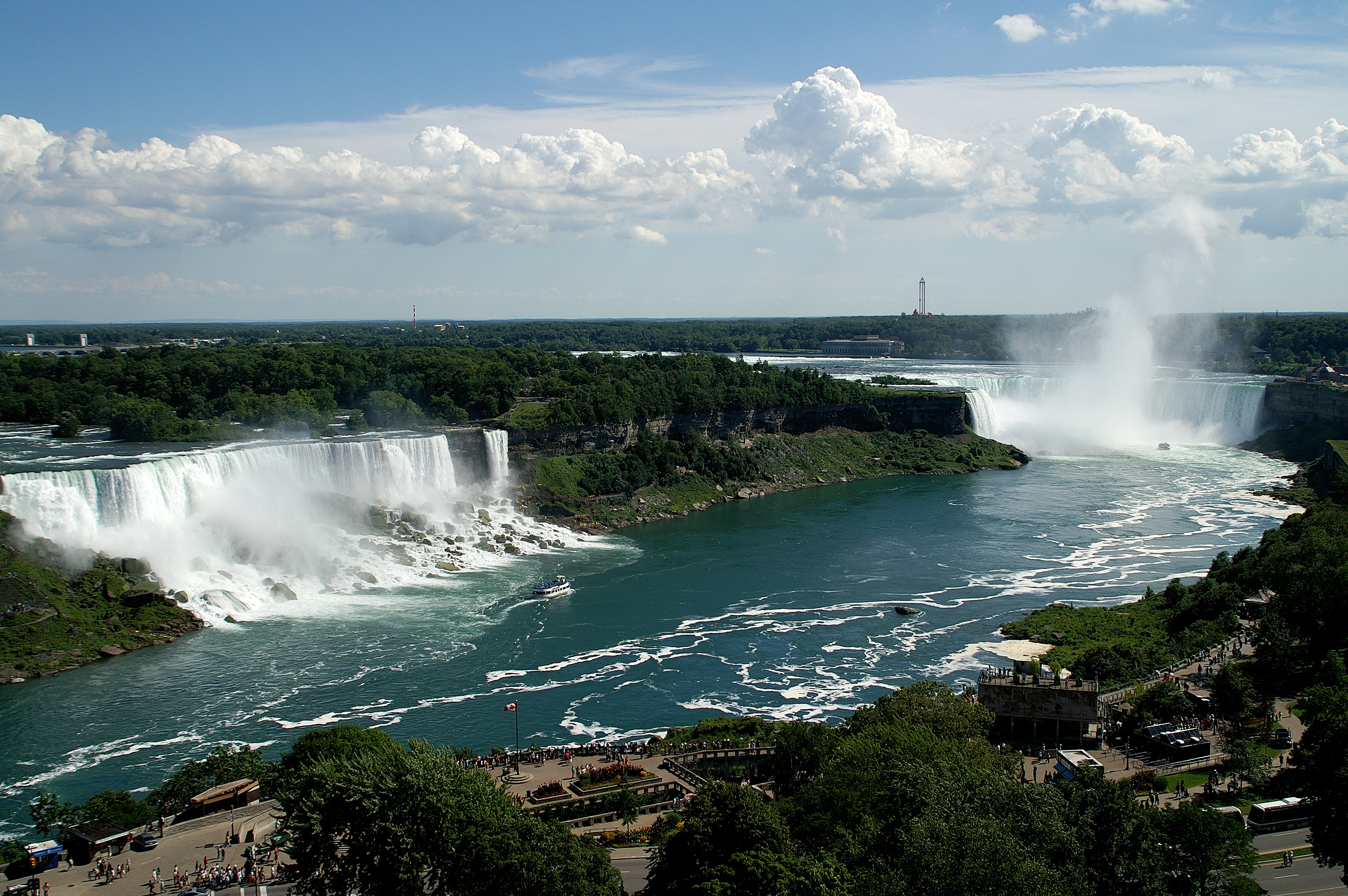
The formation of Niagara Falls began approximately 12,000 years ago at the end of the Wisconsin glaciation, a period that fundamentally reshaped the North American landscape. As massive ice sheets receded, the Great Lakes were formed, and the resulting overflow carved a path through the Niagara Escarpment toward Lake Ontario. This process is a classic study in Science, demonstrating how erosion can move a waterfall upstream by several miles over millennia. Much like the celestial movements of the Galilean Moons, the sheer scale of the water's force reminds observers of the relentless physics governing our planet.
⚡ Power & Industry
Beyond its aesthetic appeal, Niagara Falls is a titan of energy production, embodying the transition from early mechanical wheels to modern Automation. In the late 19th century, visionaries like Nikola Tesla and investors such as J.P. Morgan transformed the falls into a hub for the Digital Music Revolution's distant ancestor: the electrical grid. Today, the site operates with the precision of a Microsoft data center, diverting water through massive tunnels to generate clean energy. This industrial integration is often cited in discussions regarding the EU Energy Efficiency Directive as a historical benchmark for renewable resource management.
🎭 Cultural Iconography
The falls have long occupied a central place in the human imagination, evolving from a sacred site for Native American Languages speakers to a global tourist destination. During the 20th century, it became the 'Honeymoon Capital of the World,' a status cemented by Hollywood films and the rise of Tabloid Journalism covering daredevils who plunged over the edge in barrels. Today, the site is a hub for the Immersive Experience industry, where visitors use Night Vision Devices for evening tours or document their trips on platforms like TikTok and YouTube. It remains a staple of Tech Memorabilia and vintage postcards, representing the ultimate 'bucket list' destination.
🔮 Environmental Future
As we look toward the next century, Niagara Falls faces challenges related to climate change and the preservation of its surrounding ecosystem. The Environmental Protection Agency and Canadian authorities work closely to manage water levels and prevent excessive erosion that could threaten the local infrastructure. Much like the Landsat Program monitors global shifts from space, local scientists use Predictive Modeling to ensure the falls remain stable for future generations. The ongoing conservation efforts reflect a shift toward Conscious Consumerism, ensuring that this 'Certified Vibe' remains a pristine example of the world's natural heritage.
Key Facts
- Year
- 12,000 BCE to Present
- Origin
- North American Border
- Category
- nature
- Type
- place
Frequently Asked Questions
Can you actually go behind the falls?
Yes, the 'Journey Behind the Falls' attraction in Ontario allows visitors to descend through tunnels to observation decks located directly behind the cascading water.
Does Niagara Falls ever stop flowing?
It rarely stops completely, though in 1969 the American Falls were 'turned off' using a cofferdam for geological research, and in 1848 an ice jam briefly stopped the flow.
Which is bigger: the American Falls or Horseshoe Falls?
The Horseshoe Falls (Canadian side) is significantly larger, carrying about 90% of the Niagara River's water flow.
Is Niagara Falls the tallest waterfall in the world?
No, it is famous for its width and volume rather than height; many waterfalls, like Angel Falls, are much taller.
How much electricity does it produce?
The combined plants on both sides of the border produce about 4.4 gigawatts of power, enough to light millions of homes.