
Contents
- 📍 Location & Access
- ✨ The Vibe: Bohemian Charm Meets Chic
- 🛍️ Portobello Road Market: A Treasure Trove
- 🎭 Notting Hill Carnival: A Cultural Powerhouse
- 🎨 Artistic Roots & Modern Creatives
- 🍽️ Culinary Delights: From Pub Grub to Global Flavors
- 🏡 Property & Lifestyle: A Coveted Address
- 🚶♀️ Getting Around & Practical Tips
- Frequently Asked Questions
- Related Topics
Overview
Notting Hill is nestled in West London, straddling the Royal Borough of Kensington and Chelsea and the City of Westminster. Its distinct postcode, W11, places it west of central London, bordered by areas like Holland Park, Bayswater, and Ladbroke Grove. Access is straightforward via the London Underground, with several key stations serving the district. The Notting Hill Gate station (Central, Circle, and District lines) is a primary hub, while Ladbroke Grove (Circle and Hammersmith & City lines) offers direct access to the carnival grounds and the northern end of Portobello Road. Several bus routes also crisscross the area, making it easily reachable from across the city.
✨ The Vibe: Bohemian Charm Meets Chic
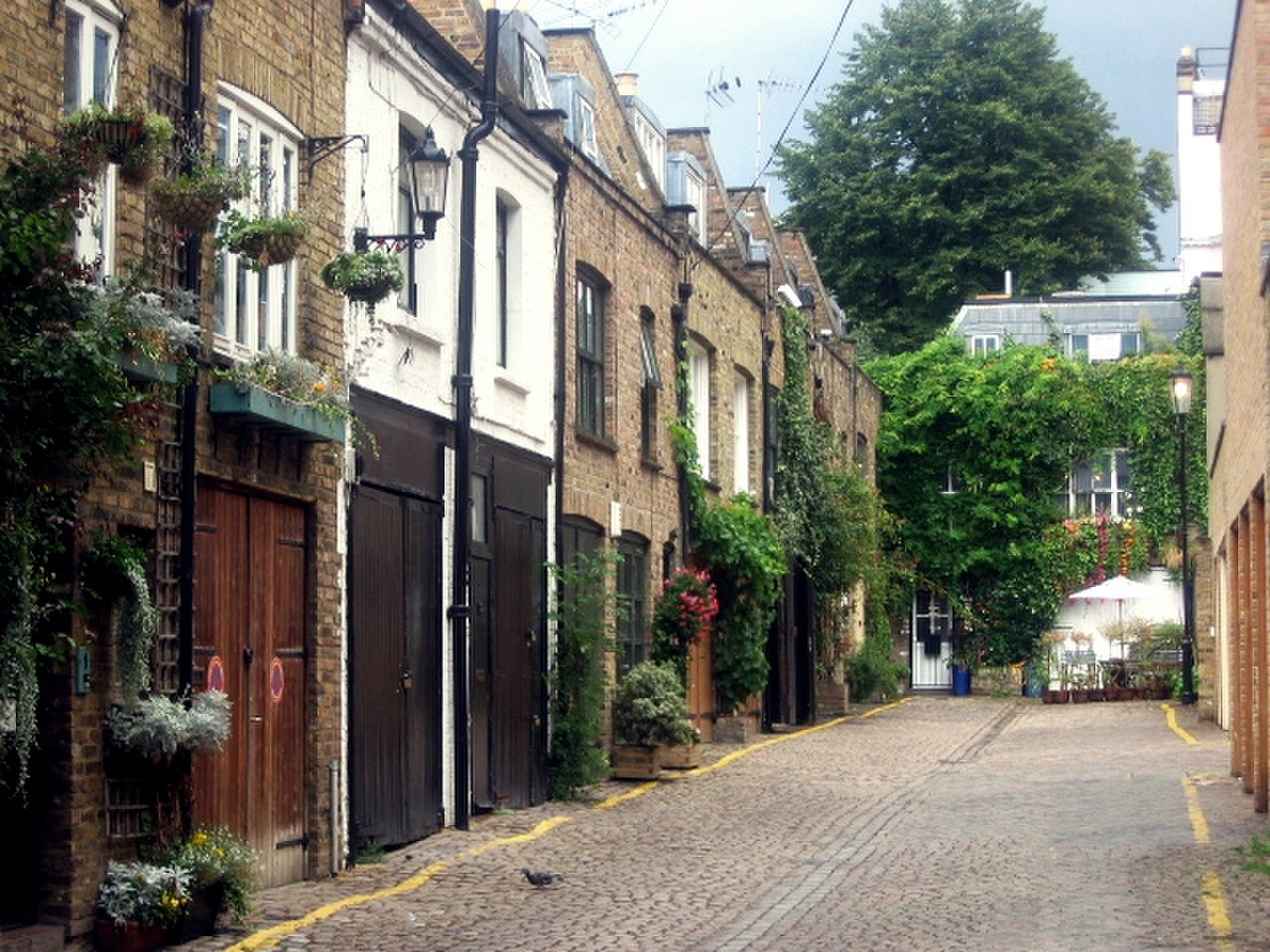
The vibe of Notting Hill is a captivating blend of bohemian spirit and upscale elegance. Pastel-colored Georgian townhouses line quiet residential streets, juxtaposed with the vibrant energy of its famous market and the pulsating rhythm of its annual carnival. It's a place where artists, writers, and creatives have long found inspiration, fostering a cosmopolitan and multicultural atmosphere. This unique character attracts a diverse crowd, from long-term residents to international visitors seeking a taste of authentic West London charm. The area maintains a strong sense of community despite its global appeal.
🛍️ Portobello Road Market: A Treasure Trove
The undisputed heart of Notting Hill is Portobello Road Market, a sprawling street market renowned worldwide. Operating daily, though busiest on Saturdays, it's a sensory explosion of antiques, vintage clothing, street food, and fresh produce. You can spend hours sifting through stalls, hunting for unique finds from Victorian jewelry to mid-century furniture. Beyond the antiques, the market buzzes with a lively atmosphere, street performers, and an eclectic mix of vendors. It’s an essential pilgrimage for any visitor, offering a true glimpse into the district's vibrant soul and a chance to snag a piece of its history.
🎭 Notting Hill Carnival: A Cultural Powerhouse
Each August Bank Holiday weekend, Notting Hill transforms into the stage for the Notting Hill Carnival, Europe's largest street festival. This iconic event celebrates Caribbean culture with a dazzling parade of floats, vibrant costumes, calypso and samba music, and an incredible array of street food. It draws millions of visitors, making it a truly global spectacle. The carnival's roots trace back to the 1960s, born out of the area's significant West Indian community seeking to showcase their heritage. Its scale and energy are unparalleled, cementing Notting Hill's reputation as a hub of cultural celebration.
🎨 Artistic Roots & Modern Creatives
Notting Hill has long been a magnet for artists and creatives, a tradition dating back to the late 19th century. Figures like the painter Walter Sickert and the writer G.K. Chesterton were drawn to its unique character and affordable living. This artistic legacy continues today, with numerous galleries, independent bookshops, and studios dotting the neighborhood. The area's distinctive architecture and vibrant street life provide constant inspiration. Many contemporary artists and designers still call Notting Hill home, contributing to its enduring reputation as a bohemian enclave within the city.
🍽️ Culinary Delights: From Pub Grub to Global Flavors
The culinary scene in Notting Hill is as diverse as its population. You'll find everything from traditional British pubs serving hearty Sunday roasts to Michelin-starred restaurants offering innovative cuisine. The area around Portobello Road is particularly rich in international flavors, with numerous cafes and eateries specializing in cuisines from across the globe. From authentic Italian pasta to spicy Indian curries and vibrant Mexican street food, there's a dish to satisfy every craving. Don't miss the chance to sample some of the delicious street food offerings at the market itself, a true culinary adventure.
🏡 Property & Lifestyle: A Coveted Address
Notting Hill is one of London's most desirable and expensive residential areas. Its picturesque streets lined with grand Victorian and Georgian houses, many painted in distinctive pastel hues, command premium prices. The neighborhood offers a mix of spacious family homes, elegant garden flats, and charming mews houses. While the property market is highly competitive, the quality of life, proximity to green spaces like Holland Park, and excellent amenities make it a sought-after address for professionals, families, and those seeking a sophisticated West London lifestyle. The average property price here is significantly above the London average.
🚶♀️ Getting Around & Practical Tips
Navigating Notting Hill is best done on foot, especially when exploring Portobello Road Market. The nearest Underground stations are Notting Hill Gate and Ladbroke Grove, providing excellent connectivity. Numerous bus routes serve the area, offering convenient travel to other parts of London. For those arriving by car, parking can be challenging and is often restricted, particularly on market days. Consider using ride-sharing services or public transport to avoid hassle. Wear comfortable shoes, especially if you plan to spend a day browsing the market, and be prepared for crowds on Saturdays and during the carnival. Always check market operating hours before your visit.
Key Facts
- Year
- 1830
- Origin
- Developed from the Ladbroke family's estate, with significant growth in the mid-19th century.
- Category
- Neighborhood Guide
- Type
- Neighborhood
Frequently Asked Questions
What is Notting Hill most famous for?
Notting Hill is most famous for its annual Notting Hill Carnival, Europe's largest street festival celebrating Caribbean culture, and the iconic Portobello Road Market, a world-renowned hub for antiques, vintage goods, and street food. The neighborhood's picturesque pastel-colored houses also contribute significantly to its global recognition.
When is the best time to visit Portobello Road Market?
The busiest and most vibrant day at Portobello Road Market is Saturday, when all stalls are typically open. However, if you prefer fewer crowds, weekdays offer a more relaxed browsing experience, though some antique stalls may be closed. Friday also sees a good selection of goods available.
How do I get to Notting Hill?
You can easily reach Notting Hill via the London Underground. The primary station is Notting Hill Gate (Central, Circle, and District lines). Ladbroke Grove (Circle and Hammersmith & City lines) is also a key station, particularly for accessing the carnival area. Numerous bus routes also serve the district.
Is Notting Hill an expensive area?
Yes, Notting Hill is considered one of London's most affluent and expensive neighborhoods. Property prices, both for rent and purchase, are significantly higher than the London average due to its desirable location, charming aesthetics, and vibrant cultural scene.
What kind of people live in Notting Hill?
Notting Hill attracts a diverse demographic, including artists, creatives, professionals, families, and international residents. It has a long-standing reputation as a bohemian enclave, while also being a highly sought-after residential area for those seeking a sophisticated West London lifestyle.
Are there any good restaurants in Notting Hill?
Absolutely. Notting Hill boasts a rich culinary scene ranging from traditional pubs and charming cafes to upscale restaurants and international eateries. The area around Portobello Road is particularly known for its diverse street food options and global cuisine.