
Contents
Overview
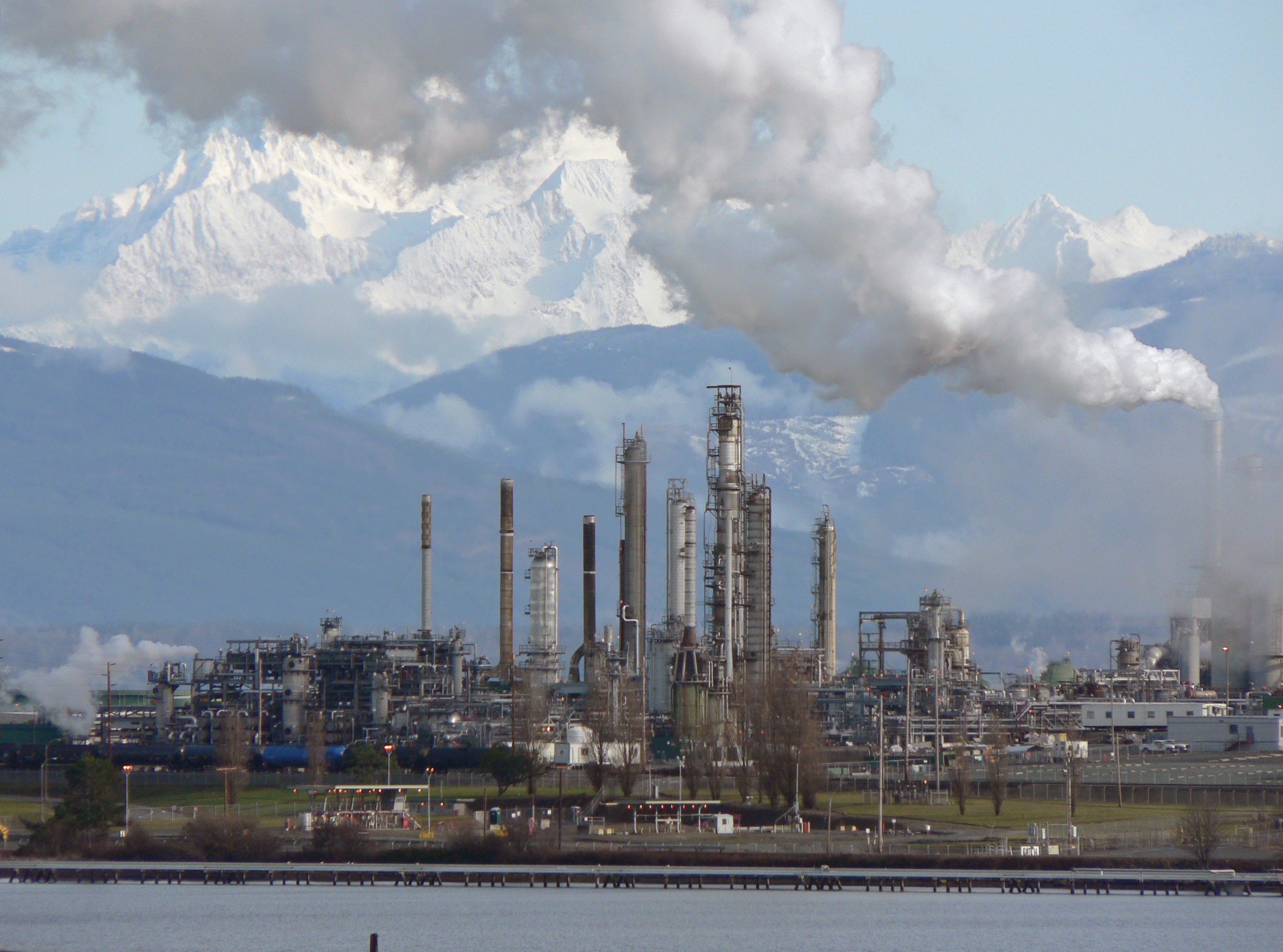
Oil refineries are colossal industrial complexes where crude oil, extracted from the earth, undergoes a series of complex physical and chemical processes to be transformed into a wide array of usable products. These essential facilities are the linchpin of the global energy infrastructure, converting raw petroleum into gasoline, diesel, jet fuel, heating oil, lubricants, and the foundational building blocks for plastics and chemicals. The scale of their operation is staggering; global refinery capacity stood at approximately 101.2 million barrels per day in 2020, a testament to their critical role in sustaining economies and lifestyles worldwide. Refineries are characterized by intricate networks of pipes, towering distillation columns, and specialized processing units, each designed to separate, convert, and purify hydrocarbons. Despite their indispensable function, they are also sites of significant environmental and safety considerations, constantly navigating the tension between energy demand and sustainability.
🎵 Origins & History
The genesis of oil refining can be traced back to the mid-19th century, driven by the burgeoning demand for kerosene for lighting, a cleaner and more efficient alternative to whale oil. Early operations were rudimentary, often involving simple distillation of crude oil in small batches. By the early 20th century, the rise of the automobile and the subsequent demand for gasoline spurred rapid expansion and technological advancement. The discovery of vast oil reserves in the Middle East and the development of large-scale refining complexes in places like Baytown, Texas, and later in Europe and Asia, solidified the refinery's role as a cornerstone of industrial civilization.
⚙️ How It Works
At its core, an oil refinery operates through a sequence of separation and conversion processes. Atmospheric distillation is the initial step, where crude oil is heated and vaporized, then separated into different fractions based on their boiling points within tall distillation columns. Lighter fractions like naphtha and gasoline rise to the top, while heavier fractions like gas oil and residue remain at the bottom. Further processing units, such as catalytic crackers and hydrocrackers, break down larger hydrocarbon molecules into smaller, more valuable ones like gasoline and diesel. Hydrotreating units remove sulfur and other impurities, a critical step for meeting environmental regulations. The entire operation is a highly integrated system, with heat exchangers recovering energy and complex control systems managing the flow of materials and reactions, often involving specialized catalysts like zeolites to accelerate chemical transformations.
📊 Key Facts & Numbers
The global oil refining industry is a titan of industry, with a total crude oil refining capacity of approximately 101.2 million barrels per day as of 2020. The United States leads the world in refining capacity, boasting over 130 refineries capable of processing roughly 18 million barrels daily. China follows with a capacity exceeding 17 million barrels per day, and other major refining hubs include India, Russia, and Japan. The value of refined petroleum products is immense, with the global market for refined oil products projected to reach trillions of dollars annually. A single large refinery can cost upwards of $10 billion to construct, and operational costs, including feedstock, energy, and labor, are substantial, often running into millions of dollars per day. The average refinery processes between 100,000 and 200,000 barrels of crude oil per day, though some mega-refineries can handle over 600,000 barrels.
👥 Key People & Organizations
Numerous individuals and organizations have shaped the oil refining industry. John D. Rockefeller's Standard Oil company, founded in 1870, was instrumental in consolidating and modernizing early refining operations in the United States, creating an industrial behemoth. Companies like ExxonMobil, Shell, BP, and Chevron are global giants with extensive refining assets. In Israel, Bazan Group (formerly Oil Refineries Ltd.), established in 1954, is a significant player in the Mediterranean region. Technological innovation has been driven by engineering firms and research institutions, including the Massachusetts Institute of Technology (MIT), which has long been a center for chemical engineering research relevant to refining processes. The American Petroleum Institute (API) serves as a key industry association, advocating for policies and setting standards.
🌍 Cultural Impact & Influence
Oil refineries are not just industrial sites; they are deeply woven into the fabric of modern culture and economy. The availability of affordable fuels, made possible by refineries, has enabled mass transportation, global trade, and suburban lifestyles, fundamentally altering human settlement patterns and daily routines. The iconic imagery of refinery stacks, often seen on the outskirts of cities, has become a symbol of industrial might and technological progress, appearing in art, film, and literature. However, this cultural presence is also tinged with controversy, representing both the engine of prosperity and a source of environmental concern. The products of refineries, from gasoline powering cars to the plastics in everyday objects, are ubiquitous, making their influence pervasive yet often invisible in daily life.
⚡ Current State & Latest Developments
The refining industry is currently navigating a complex transition. While demand for traditional fuels like gasoline and diesel remains robust, particularly in developing economies, there's a growing push towards decarbonization and alternative energy sources. Many refineries are investing in upgrading facilities to produce lower-sulfur fuels, meet stricter emissions standards, and explore the production of biofuels and hydrogen. The rise of electric vehicles poses a long-term challenge to gasoline demand, prompting some refiners to pivot towards petrochemical production, which is expected to see continued growth. Geopolitical factors, such as supply chain disruptions and fluctuating crude oil prices, continue to exert significant influence on refinery operations and profitability, as seen with the volatility following the 2022 Russian invasion of Ukraine.
🤔 Controversies & Debates
The environmental impact of oil refineries is a persistent and significant area of debate. Concerns range from air pollution, including the emission of sulfur dioxide (SO2), nitrogen oxides (NOx), and volatile organic compounds (VOCs), to the potential for water contamination and the generation of hazardous waste. The refining process is also energy-intensive, contributing to greenhouse gas emissions. Safety is another major concern, with historical incidents like the Texas City Refinery disaster serving as stark reminders of the risks involved. Critics argue that the industry has been slow to adopt cleaner technologies and that regulatory oversight is insufficient, while industry proponents emphasize continuous improvements in safety protocols and emissions control technologies, such as flue-gas desulfurization systems.
🔮 Future Outlook & Predictions
The future of oil refineries is intrinsically linked to the global energy transition. While demand for transportation fuels may decline in the long term due to the proliferation of electric vehicles and renewable energy, refineries are poised to play a crucial role in producing petrochemical feedstocks for plastics, chemicals, and advanced materials. Some futurists envision refineries evolving into 'chemical complexes' that process a wider range of feedstocks, including biomass and recycled plastics, to produce sustainable fuels and materials. Investments in carbon capture, utilization, and storage (CCUS) technologies are also being explored as a means to decarbonize existing operations. The pace of this transformation will depend on regulatory pressures, technological advancements, and shifting consumer preferences, with projections suggesting a significant shift in product mix by 2050.
💡 Practical Applications
Oil refineries are central to the production of a vast array of essential products. Their primary output is transportation fuels: gasoline (petrol), diesel fuel, and jet fuel, which power the global economy. Beyond fuels, refineries produce heating oil and liquefied petroleum gas (LPG) for residential and commercial use. They also yield lubricants for machinery, asphalt for road construction, and petroleum coke for industrial applications. Crucially, refineries provide vital petrochemical feedstocks like ethylene, propylene, and benzene, which are the fundamental building blocks for the plastics, synthetic fibers, pharmaceuticals, and countless other chemical products that define modern life. Even materials like fertilizers and [[synthet
Key Facts
- Category
- technology
- Type
- topic