
Contents
Overview
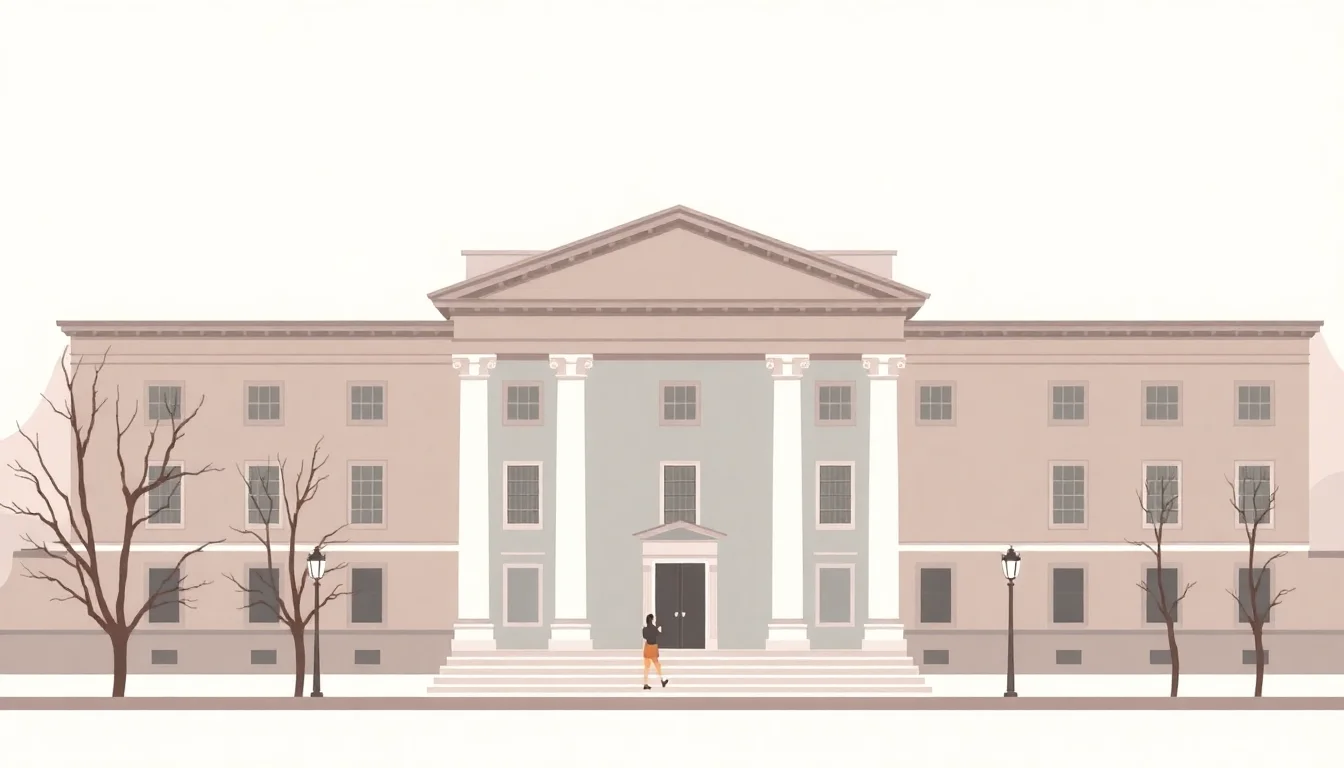
The Pennsylvania Academy of the Fine Arts (PAFA), founded in 1805, is the first and one of the oldest art museums and art schools in the United States. It's a place where history breathes through its Beaux-Arts architecture and where contemporary art finds its footing. PAFA isn't just about learning to paint or sculpt; it's about immersing yourself in a rich artistic lineage while forging your own path. Think of it as a crucible for serious artists, a place that demands dedication but rewards it with profound artistic growth and a deep understanding of art's historical and cultural currents. Its dual identity as both a museum and a school creates a unique, almost symbiotic, learning environment, fostering a constant dialogue between past masters and emerging talents.
📍 Location & Access
PAFA's main campus is strategically located in the heart of Philadelphia's historic district, at 118 North Broad Street. This prime location places students and visitors amidst a vibrant cultural hub, easily accessible by public transportation. The historic Cast Iron Building, housing the museum, and the modern Samuel M.V. Hamilton Building, containing studios and classrooms, are connected by a skywalk, offering a physical bridge between eras of art. Nearby SEPTA stations for the Broad Street Line and regional rail make commuting straightforward for local students, while Amtrak services connect those arriving from further afield. The surrounding area buzzes with galleries, performance venues, and historical sites, making it an inspiring, if sometimes overwhelming, urban setting for artistic pursuit.
🎨 Academic Programs & Vibe
PAFA offers a range of degree programs, including Bachelor of Fine Arts (BFA), Master of Fine Arts (MFA), and post-baccalaureate certificates, with a strong emphasis on foundational drawing, painting, and sculpture. The academic vibe is intensely studio-focused, prioritizing hands-on practice and critical feedback over theoretical abstraction. Students here are expected to work rigorously, often spending long hours in the studios, surrounded by peers and faculty who are active practitioners in the art world. The curriculum is designed to build technical mastery and conceptual depth, preparing graduates for diverse careers in the arts, from fine art creation to illustration and beyond. The MFA program, in particular, is known for its intensive, thesis-driven approach, pushing students to define and execute their unique artistic vision.
🖼️ Museum & Collections
The PAFA Museum is a treasure trove, housing an impressive collection of American art from the colonial period to the present day. Highlights include an unparalleled collection of 19th-century American art, featuring works by Thomas Eakins, Mary Cassatt, and John Singer Sargent, alongside significant holdings of contemporary art. The museum's historic galleries, particularly the Grand Hall, are architectural marvels in themselves, providing a dramatic backdrop for the artworks. For students, the museum is an invaluable resource, serving as a living library of artistic techniques, historical context, and aesthetic inspiration. The constant presence of masterworks within the school environment fosters a deep appreciation for artistic heritage and informs contemporary practice.
💰 Pricing & Financial Aid
Tuition at PAFA is competitive for a private art institution, with costs varying based on the program and year of study. For the 2023-2024 academic year, undergraduate tuition was approximately $50,000 per year, with graduate programs similarly priced. However, PAFA offers a robust financial aid program, including merit-based scholarships, need-based grants, and federal student loans. A significant portion of students receive financial assistance, making the education more accessible than the sticker price might suggest. Prospective students are strongly encouraged to explore all available aid options and speak with the admissions and financial aid offices early in the application process to understand their specific financial picture.
⭐ What People Say
Student and alumni feedback often highlights PAFA's intense focus on studio practice and the strong sense of community it fosters. Many praise the dedicated faculty, who are often working artists themselves, providing invaluable mentorship and real-world insights. The museum's collection is frequently cited as a major draw, offering constant inspiration. However, some critiques point to the demanding workload and the traditional emphasis on certain media, which might not appeal to every aspiring artist. The urban Philadelphia setting is generally seen as a positive, offering cultural richness, but can also be a source of distraction or a higher cost of living compared to more rural art schools. Overall, the vibe is one of serious artistic commitment and a deep dive into the craft.
💡 Key Differences from Other Art Schools
Compared to larger, more comprehensive universities with art departments, PAFA's primary distinction lies in its singular focus on fine arts education and its integrated museum. Unlike institutions that might offer a broader range of disciplines, PAFA is dedicated to the rigorous development of skills in painting, drawing, sculpture, and printmaking. Its historical depth and the direct access to a world-class museum collection set it apart from newer or more digitally-focused art programs. While schools like the Rhode Island School of Design (RISD) or Pratt Institute offer excellent fine arts training, PAFA's unique blend of historical context, studio intensity, and museum proximity creates a distinct educational ecosystem. The School of the Art Institute of Chicago (SAIC) might offer a more experimental, interdisciplinary approach, whereas PAFA leans into mastery of traditional techniques as a foundation for innovation.
🚀 Getting Started at PAFA
To begin your journey at PAFA, the first step is to explore their official website for detailed information on admissions requirements, program offerings, and application deadlines. Prospective students are encouraged to attend virtual or in-person information sessions and campus tours to get a feel for the environment. The application process typically involves submitting a portfolio of your artwork, academic transcripts, and letters of recommendation. It's crucial to start this process well in advance, especially if you're seeking financial aid. Connecting with the admissions office early can provide personalized guidance and answer specific questions about your application and fit for PAFA's rigorous artistic community. Don't hesitate to reach out; they are there to help you navigate the path to becoming a PAFA student.
Key Facts
- Year
- 1805
- Origin
- Philadelphia, Pennsylvania
- Category
- Educational Institutions
- Type
- Organization
Frequently Asked Questions
What kind of art programs does PAFA offer?
PAFA offers Bachelor of Fine Arts (BFA), Master of Fine Arts (MFA), and post-baccalaureate certificate programs. These programs are heavily focused on foundational disciplines like drawing, painting, and sculpture, emphasizing studio practice and technical mastery. The curriculum is designed to build a strong artistic core, preparing students for professional careers in the fine arts.
Is PAFA a good school for contemporary art?
While PAFA has a deep historical foundation and a renowned collection of American art, it actively engages with contemporary art practices. The MFA program, in particular, encourages students to develop their unique voices and explore current artistic dialogues. Faculty are often active contemporary artists, ensuring the curriculum remains relevant and forward-looking, even while grounded in traditional techniques.
How competitive is the admissions process at PAFA?
Admissions to PAFA are competitive, particularly for the BFA and MFA programs. The admissions committee evaluates applicants based on their artistic talent demonstrated through their portfolio, academic record, and letters of recommendation. A strong, cohesive portfolio showcasing technical skill and conceptual thinking is crucial for a successful application.
What is the student-to-faculty ratio at PAFA?
PAFA maintains a relatively low student-to-faculty ratio, which allows for personalized attention and mentorship. This intimate setting is a key feature of the PAFA experience, enabling students to receive direct feedback and guidance from faculty who are often practicing artists themselves. Specific numbers can be found on their official admissions page.
Can I visit the PAFA museum without being a student?
Absolutely. The PAFA Museum is open to the public, and admission fees apply. It's a fantastic way to experience the institution's artistic environment and see the works that inspire its students and faculty. Special exhibitions are also regularly featured, offering diverse viewing opportunities.
What are the career outcomes for PAFA graduates?
PAFA graduates pursue a wide range of careers in the arts. Many become practicing fine artists exhibiting nationally and internationally. Others find success as illustrators, designers, educators, museum professionals, and art therapists. The rigorous training and strong alumni network often provide a solid foundation for diverse artistic paths.