
Contents
Overview
Personal training is a professional service where a certified individual, the personal trainer, designs and implements customized exercise programs for clients. These programs aim to improve health, fitness, and athletic performance through tailored workouts, nutritional guidance, and motivational support. Trainers assess clients' physical condition, set achievable goals, and provide accountability, adapting routines based on progress and individual needs. This field has evolved from niche athletic support to a mainstream wellness industry, driven by increased health consciousness and the demand for personalized fitness solutions. The industry is projected to grow significantly, reflecting a global shift towards preventative health and lifestyle management, with an estimated market size reaching billions of dollars worldwide.
🎵 Origins & History
The concept of personalized physical conditioning has roots stretching back to ancient Greece, where athletes received individualized coaching. Early pioneers like Jack LaLanne, a fitness icon, demonstrated the power of dedicated, individualized fitness guidance. The establishment of professional certification bodies, such as the American College of Sports Medicine (ACSM) and the National Academy of Sports Medicine (NASM), formalized the industry, setting standards for knowledge and practice. This professionalization transformed personal training from an informal service to a recognized health and wellness profession.
⚙️ How It Works
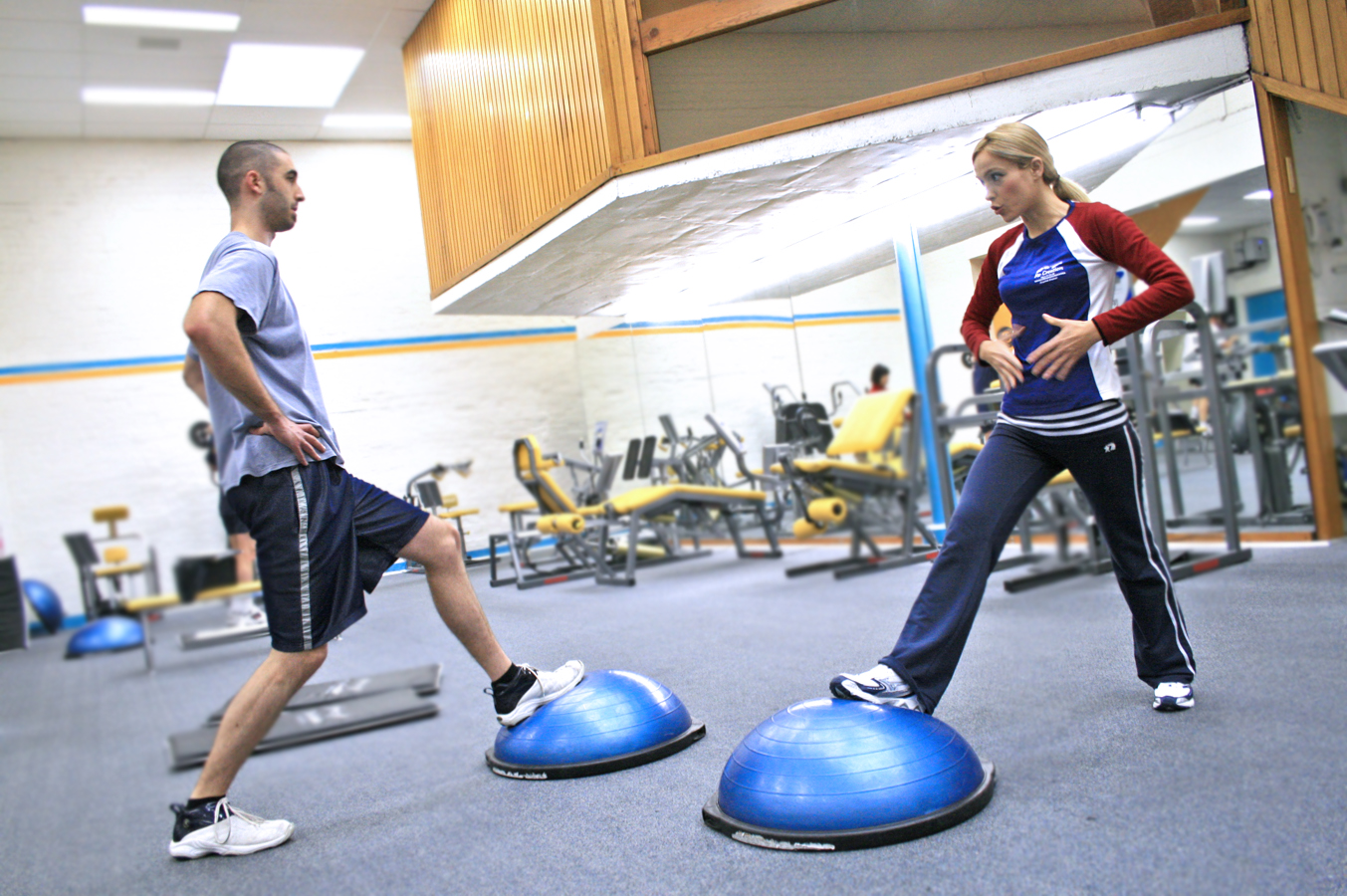
At its core, personal training involves a systematic process of client assessment, program design, and ongoing coaching. A trainer begins with a comprehensive health screening, often using tools like the Physical Activity Readiness Questionnaire (PAR-Q+), to identify any potential risks. This is followed by fitness assessments that might measure cardiovascular endurance, muscular strength and endurance, flexibility, and body composition, often utilizing equipment like treadmills or resistance machines. Based on these findings and the client's stated goals—whether it's weight loss, muscle gain, improved athletic performance, or rehabilitation—the trainer designs a progressive exercise program. This program details specific exercises, sets, repetitions, rest periods, and frequency, with the trainer providing direct supervision, technique correction, and motivation during sessions.
📊 Key Facts & Numbers
The global personal training market is substantial and growing. In the United States alone, there are certified personal trainers, with demand particularly high in urban centers and affluent suburbs. Online personal training services have also seen growth, indicating a significant shift in how clients access fitness expertise.
👥 Key People & Organizations
Key figures in the personal training landscape include pioneers like Jack LaLanne, who popularized fitness on television, and Jane Fonda, whose workout videos brought structured exercise into millions of homes. Organizations like the American College of Sports Medicine (ACSM), the National Academy of Sports Medicine (NASM), and the International Sports Sciences Association (ISSA) are crucial for setting industry standards, providing certifications, and offering continuing education. Major fitness chains such as Equinox and Planet Fitness employ thousands of personal trainers, while online platforms like Future and Trainerize are reshaping how training is delivered.
🌍 Cultural Impact & Influence
Personal training has profoundly influenced societal attitudes towards health and fitness, shifting the focus from general exercise to highly individualized wellness strategies. It has elevated the status of fitness professionals, creating a career path that combines scientific knowledge with interpersonal skills. The rise of social media has further amplified this cultural impact, with fitness influencers and trainers showcasing their methods and client transformations to millions, often blurring the lines between professional training and aspirational lifestyle content. This has democratized access to fitness information, though it also raises questions about the quality and accuracy of advice disseminated online.
⚡ Current State & Latest Developments
The personal training industry in 2024 is characterized by a dual focus on in-person and virtual services. Hybrid models, combining in-person sessions with remote coaching via apps and video calls, are becoming increasingly common. Technology plays a pivotal role, with wearable devices like Apple Watches and Garmin devices providing real-time data that trainers can use to monitor clients. AI-powered fitness platforms are also emerging, offering automated program adjustments and personalized feedback, posing both opportunities and challenges for human trainers. The demand for specialized training, such as pre/postnatal fitness, corrective exercise, and senior fitness, continues to grow.
🤔 Controversies & Debates
One significant controversy revolves around the varying quality and rigor of personal trainer certifications. While organizations like ACSM and NASM adhere to strict educational standards, numerous less reputable certification programs exist, leading to a wide disparity in trainer competency. This can result in ineffective or even dangerous training practices, particularly for clients with pre-existing health conditions. Another debate centers on the pricing and accessibility of personal training; critics argue that high costs create a barrier for lower-income individuals, exacerbating health disparities. The increasing reliance on AI and algorithms also sparks discussion about the irreplaceable human element of motivation and empathy in training.
🔮 Future Outlook & Predictions
The future of personal training is likely to be heavily influenced by technological advancements and evolving consumer demands. Expect a greater integration of AI and machine learning to provide hyper-personalized training plans and real-time feedback, potentially lowering costs and increasing accessibility. Wearable technology will become even more sophisticated, offering deeper physiological insights. There will also likely be a continued specialization within the field, with trainers focusing on niche populations or specific health outcomes, such as chronic disease management or injury rehabilitation. The emphasis will increasingly shift from purely aesthetic goals to holistic well-being, encompassing mental health and longevity.
💡 Practical Applications
Personal training finds practical application across a wide spectrum of goals and populations. It's instrumental for individuals seeking to lose weight, build muscle mass, or enhance athletic performance, as seen with elite athletes working with specialized coaches. It's also crucial for post-rehabilitation recovery, helping individuals regain strength and mobility after injuries or surgeries, often in conjunction with physical therapists. Furthermore, personal trainers assist older adults in maintaining functional independence and preventing falls, and they guide individuals with chronic conditions like diabetes or heart disease in safely managing their health through exercise. Corporate wellness programs increasingly incorporate personal training to improve employee health and productivity.
Key Facts
- Category
- culture
- Type
- concept