
Contents
Overview
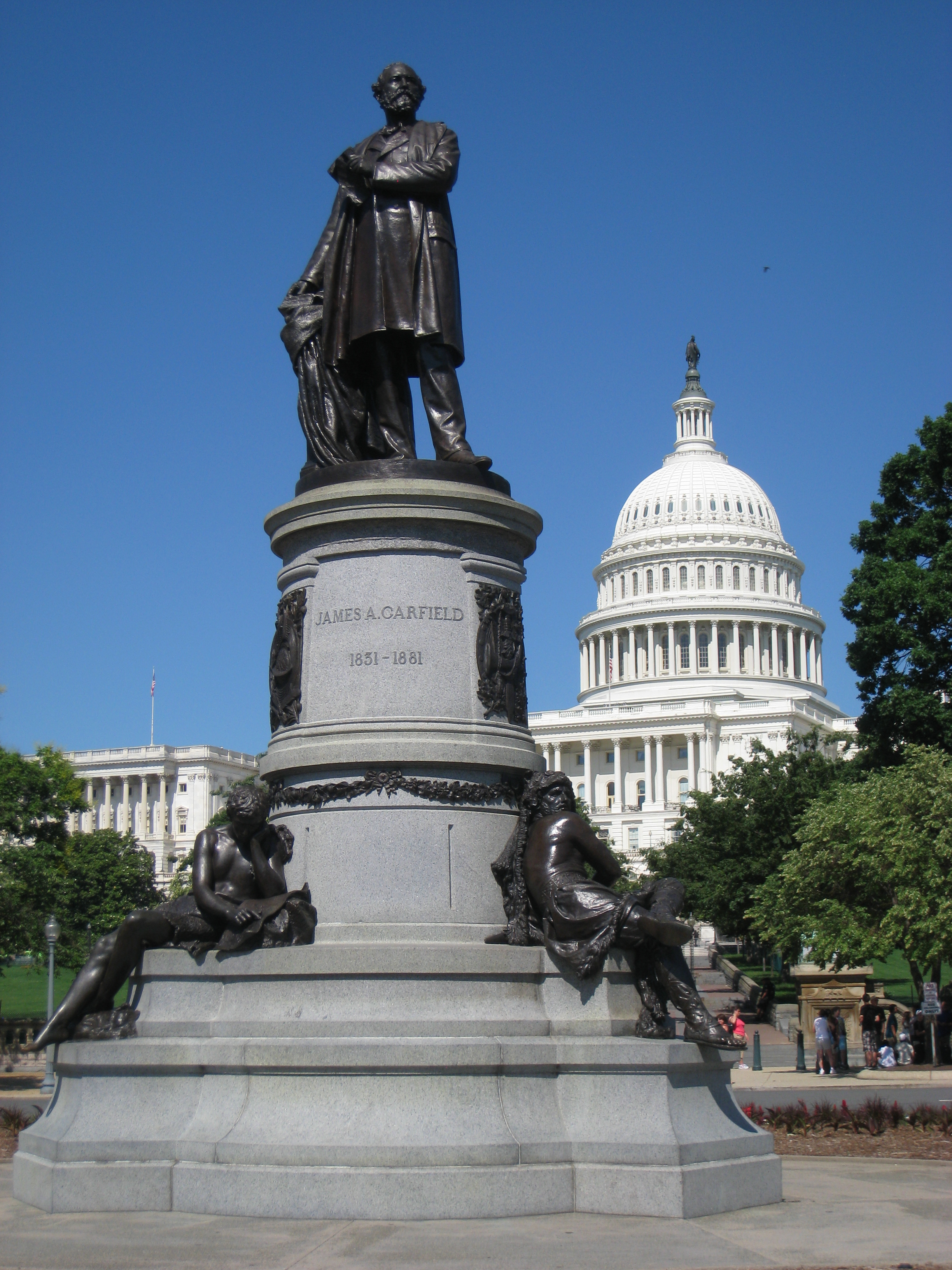
Presidential monuments are physical structures, ranging from grand neoclassical mausoleums to abstract sculptures and expansive national parks, dedicated to commemorating the lives and legacies of United States Presidents. These sites serve as tangible touchstones for national memory, offering spaces for reflection, education, and civic engagement, often drawing millions of visitors annually. Their design, location, and narrative content are frequently subjects of intense debate, reflecting evolving historical interpretations and national values. From the iconic Lincoln Memorial in Washington D.C. to the more personal sites like Franklin D. Roosevelt's Presidential Library and Museum in Hyde Park, New York, these monuments embody a complex interplay of history, art, politics, and public perception. The scale of these memorials, often funded by both public and private contributions, underscores their perceived importance in shaping national identity and historical consciousness.
🎵 Origins & History
Early efforts to memorialize American presidents focused on statues and obelisks. The late 19th and early 20th centuries saw a surge in the creation of more elaborate memorials, often in the neoclassical style that dominated public architecture, aiming to evoke the grandeur of ancient republics. The Lincoln Memorial, completed in 1922, became a pivotal example, blending monumental scale with accessible symbolism. The establishment of the Presidential Libraries Act of 1955 formalized a new model: preserving presidential papers and artifacts within dedicated institutions, often on the president's home grounds, shifting the focus from purely symbolic structures to comprehensive historical archives. This evolution reflects a growing desire to understand presidents not just as historical figures but as individuals whose lives and decisions shaped the nation.
⚙️ How It Works
Presidential monuments function through a combination of architectural design, curated exhibits, archival collections, and public programming. Major memorials like the Jefferson Memorial or the Martin Luther King, Jr. Memorial (though not a president, its influence on presidential memorialization is notable) utilize symbolic imagery, inscriptions, and commanding statuary to convey core ideals associated with the honoree. Presidential libraries, managed by the National Archives and Records Administration (NARA), house millions of documents, photographs, and artifacts, offering researchers and the public direct access to primary source materials. Educational initiatives, guided tours, and special exhibitions at these sites aim to interpret the president's era and impact, fostering civic education and historical understanding. The physical spaces themselves are designed to evoke specific moods, from solemn reverence to inspiring contemplation, guiding the visitor's experience.
📊 Key Facts & Numbers
The United States has numerous national memorials, monuments, and historic sites managed by the National Park Service, with a significant portion dedicated to presidents. The Washington Monument stands at 555 feet, 5 1/8 inches, the world's tallest stone structure. These sites represent a substantial investment in preserving historical narratives.
👥 Key People & Organizations
Key figures in the creation of presidential monuments include architects like Henry Hobson Richardson and Daniel Chester French, who designed iconic structures and sculptures. Presidents themselves often influence the design and location of their memorials, with figures like Franklin D. Roosevelt actively involved in planning his library. Organizations such as the National Park Service are responsible for the maintenance and operation of many national presidential sites, while the National Archives and Records Administration (NARA) oversees the presidential libraries. Private foundations and historical societies, like the Abraham Lincoln Presidential Library and Museum Foundation, often play crucial roles in fundraising and supporting these institutions. The Association of Centers for the Study of Congress also works to preserve the records of public figures, including presidents.
🌍 Cultural Impact & Influence
Presidential monuments profoundly shape public memory and national identity, serving as focal points for historical interpretation and civic ritual. They influence tourism, local economies, and educational curricula, embedding specific narratives about leadership and American values into the national consciousness. The visual language of these monuments—from the stoic gaze of Abraham Lincoln at his memorial to the expansive grounds of Lyndon B. Johnson's ranch—reinforces particular images of presidential greatness or historical significance. These sites also become backdrops for national events and protests, demonstrating their ongoing relevance in contemporary discourse, as seen with the Lincoln Memorial's role in the Civil Rights Movement. The very existence and design of these monuments can elevate certain presidents and historical periods, while potentially marginalizing others.
⚡ Current State & Latest Developments
The ongoing development and preservation of presidential monuments are dynamic processes. Virtual tours, digital archives, and augmented reality experiences are enhancing visitor engagement at sites like the John F. Kennedy Presidential Library and Museum. Debates over the interpretation of presidential legacies, particularly concerning presidents with controversial histories, are leading to re-evaluations of existing exhibits and narratives. The National Park Service faces ongoing challenges in maintaining aging infrastructure and adapting sites to meet the needs of a diverse and evolving public.
🤔 Controversies & Debates
Presidential monuments are often sites of considerable controversy, reflecting the contested nature of historical memory and presidential legacies. Debates frequently arise over the selection of presidents deemed worthy of monumental commemoration, the cost and funding of these projects, and the artistic style and symbolism employed. For instance, the placement and design of the Jefferson Memorial have been debated in light of Thomas Jefferson's complex legacy regarding slavery. Similarly, discussions surrounding the potential for a Richard Nixon memorial often grapple with the impact of the Watergate scandal. Critics sometimes argue that the grandeur of these monuments can overshadow the complexities and failures of presidencies, promoting a sanitized or overly heroic narrative. The balance between honoring a president's achievements and acknowledging their flaws remains a persistent challenge.
🔮 Future Outlook & Predictions
The future of presidential monuments will likely involve a continued tension between traditional monumentalism and more contemporary approaches to historical commemoration. We may see an increased emphasis on interactive digital experiences and virtual access, broadening reach beyond physical visitors. The interpretation of presidential legacies will undoubtedly evolve, with future monuments potentially incorporating more nuanced and critical perspectives on figures like Andrew Jackson or Woodrow Wilson, whose historical standing is increasingly debated. There's also a growing conversation about whether new presidential monuments should be built at all, or if resourc
Key Facts
- Category
- culture
- Type
- topic