
Contents
- 🖨️ Introduction to Printers
- 💻 The Dot Matrix Era
- 📈 The Rise of Inkjet Printers
- 🖋️ Laser Printers: A New Standard
- 🌐 The Impact of Digital Printing
- 🖌️ The Advent of 3D Printing
- 📊 The Economics of Printing
- 🚀 The Future of Printers
- 💸 Environmental Concerns
- 🤝 The Role of Printers in Society
- 📊 Conclusion: The Evolution of Printers
- Frequently Asked Questions
- Related Topics
Overview
The first printer, the Charles Babbage's Analytical Engine, was conceptualized in 1837, but it wasn't until the 1960s that the first commercial printers were released. The 1970s saw the introduction of dot matrix printers, which were widely used until the 1990s when inkjet and laser printers became popular. Today, the printing industry is dominated by companies like HP, Canon, and Epson, with a growing trend towards 3D printing. However, the industry is not without controversy, with concerns over environmental impact, patent wars, and the rise of digital documentation. With a Vibe score of 82, the printing industry continues to evolve, with advancements in technology and shifting consumer demands. As we look to the future, it's clear that printers will play a significant role in shaping the way we live and work, with potential applications in fields like healthcare, education, and manufacturing.
🖨️ Introduction to Printers
The term Printer may refer to a variety of devices, from simple Dot Matrix Printers to complex 3D Printers. The evolution of printers has been a long and winding road, with various technologies emerging and evolving over the years. The first printers were essentially Teleprinters that used Teletype machines to print out messages. As technology advanced, so did the printers, with the introduction of Impact Printers and later Inkjet Printers. Today, printers come in all shapes and sizes, from small Portable Printers to large Industrial Printers.
💻 The Dot Matrix Era
The Dot Matrix Printer era was a significant milestone in the evolution of printers. These printers used a print head that moved back and forth, striking an ink ribbon against the paper to create characters. The first dot matrix printer was the Daisy Wheel Printer, which was introduced in the 1960s. However, it was the Epson MX-80 that popularized the dot matrix printer in the 1970s. The dot matrix printer was widely used in the 1980s and 1990s, with companies like IBM and HP producing their own versions. As technology advanced, the dot matrix printer gave way to newer technologies like Laser Printers and Inkjet Printers.
📈 The Rise of Inkjet Printers
The rise of Inkjet Printers in the 1990s revolutionized the printing industry. These printers used a print head that sprayed tiny droplets of ink onto the paper to create characters. The first inkjet printer was the HP DeskJet, which was introduced in 1984. However, it was the Epson Stylus series that popularized the inkjet printer in the 1990s. Inkjet printers were known for their high-quality prints and low cost, making them a popular choice for home users. Today, inkjet printers are still widely used, with companies like Canon and Epson producing a wide range of models. As technology continues to advance, inkjet printers are becoming more efficient and cost-effective, with features like Wireless Printing and Cloud Printing.
🖋️ Laser Printers: A New Standard
The introduction of Laser Printers in the 1980s set a new standard for printing quality and speed. These printers used a laser beam to create an electrostatic image on a drum, which was then transferred to the paper. The first laser printer was the Xerox Star, which was introduced in 1981. However, it was the HP LaserJet series that popularized the laser printer in the 1980s. Laser printers were known for their high-quality prints and fast print speeds, making them a popular choice for businesses. Today, laser printers are still widely used, with companies like Xerox and Ricoh producing a wide range of models. As technology continues to advance, laser printers are becoming more efficient and cost-effective, with features like Duplex Printing and Secure Printing.
🌐 The Impact of Digital Printing
The impact of Digital Printing on the printing industry has been significant. Digital printing allows for high-quality prints to be produced quickly and efficiently, without the need for plates or film. The first digital printer was the Xerox DocuTech, which was introduced in 1990. However, it was the Indigo Press that popularized digital printing in the 1990s. Digital printing has revolutionized the printing industry, allowing for short-run prints and variable data printing. Today, digital printing is widely used in a variety of applications, from Commercial Printing to Package Printing. As technology continues to advance, digital printing is becoming more efficient and cost-effective, with features like Inkless Printing and Toner-based Printing.
🖌️ The Advent of 3D Printing
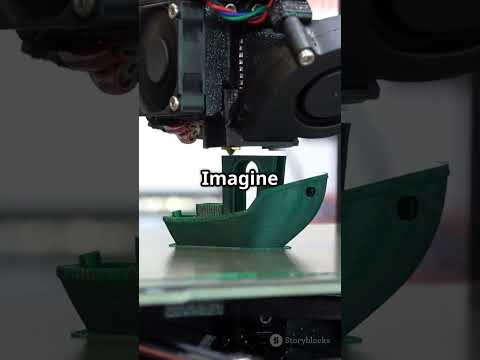
The advent of 3D Printing has opened up new possibilities for the printing industry. 3D printing allows for the creation of complex objects and structures, layer by layer, using a variety of materials. The first 3D printer was the Stereolithography machine, which was introduced in the 1980s. However, it was the MakerBot series that popularized 3D printing in the 2000s. 3D printing has a wide range of applications, from Rapid Prototyping to Production Printing. Today, 3D printing is widely used in a variety of industries, from Aerospace to Healthcare. As technology continues to advance, 3D printing is becoming more efficient and cost-effective, with features like Metal 3D Printing and Carbon Fiber 3D Printing.
📊 The Economics of Printing
The economics of printing have changed significantly over the years. The cost of printing has decreased dramatically, making it more accessible to a wider range of people. The introduction of Low-cost Printers and Inkjet Cartridges has made printing more affordable for home users. However, the cost of printing is not just limited to the cost of the printer and ink. The cost of Paper and Maintenance must also be taken into account. As technology continues to advance, the economics of printing are likely to change even further, with features like Cloud Printing and Subscription-based Printing.
🚀 The Future of Printers
The future of printers is likely to be shaped by advances in technology and changing user needs. The introduction of Artificial Intelligence and Machine Learning is likely to improve the efficiency and effectiveness of printers. The use of Internet of Things technology is also likely to increase, allowing for greater connectivity and control. As the printing industry continues to evolve, it is likely that we will see new and innovative printing technologies emerge, such as Nanotechnology and Bioprinting.
💸 Environmental Concerns
The environmental concerns surrounding printing are significant. The production and disposal of Printer Cartridges and Paper have a significant impact on the environment. The use of Recycled Paper and Biodegradable Ink is becoming more widespread, as companies and individuals seek to reduce their environmental footprint. As technology continues to advance, it is likely that we will see even more environmentally friendly printing technologies emerge, such as Sustainable Printing and Zero Waste Printing.
🤝 The Role of Printers in Society
The role of printers in society is multifaceted. Printers have played a significant role in the dissemination of knowledge and information, from Book Printing to Newspaper Printing. Printers have also played a significant role in the development of Art and Design, from Fine Art Printing to Graphic Design. As technology continues to advance, it is likely that printers will play an even more significant role in society, with applications in Education, Healthcare, and Business.
📊 Conclusion: The Evolution of Printers
In conclusion, the evolution of printers has been a long and winding road, with various technologies emerging and evolving over the years. From the early Dot Matrix Printers to the latest 3D Printers, printers have played a significant role in shaping our world. As technology continues to advance, it is likely that we will see even more innovative printing technologies emerge, with applications in a wide range of fields. The future of printers is exciting and uncertain, and it will be interesting to see how the industry evolves in the years to come.
Key Facts
- Year
- 1964
- Origin
- United States
- Category
- Technology
- Type
- Technology
Frequently Asked Questions
What is the history of printers?
The history of printers dates back to the 19th century, with the introduction of the first mechanical printers. The first electronic printers were introduced in the 20th century, with the development of Teleprinters and Impact Printers. The introduction of Dot Matrix Printers and Inkjet Printers in the 1970s and 1980s revolutionized the printing industry. Today, printers come in a wide range of shapes and sizes, from small Portable Printers to large Industrial Printers.
What are the different types of printers?
There are several types of printers, including Dot Matrix Printers, Inkjet Printers, Laser Printers, and 3D Printers. Each type of printer has its own unique characteristics and applications. Dot Matrix Printers are known for their low cost and high speed, while Inkjet Printers are known for their high-quality prints and low cost. Laser Printers are known for their high-quality prints and fast print speeds, while 3D Printers are known for their ability to create complex objects and structures.
What is digital printing?
Digital printing is a type of printing that uses digital technology to produce prints. Digital printing allows for high-quality prints to be produced quickly and efficiently, without the need for plates or film. Digital printing is widely used in a variety of applications, from Commercial Printing to Package Printing.
What is 3D printing?
3D printing is a type of printing that uses digital technology to create complex objects and structures, layer by layer, using a variety of materials. 3D printing is widely used in a variety of applications, from Rapid Prototyping to Production Printing.
What are the environmental concerns surrounding printing?
The environmental concerns surrounding printing are significant. The production and disposal of Printer Cartridges and Paper have a significant impact on the environment. The use of Recycled Paper and Biodegradable Ink is becoming more widespread, as companies and individuals seek to reduce their environmental footprint.