
Contents
- 🚂 Introduction to Rail Networks
- 🗺️ History of Rail Networks
- 🚫 Challenges in Rail Network Development
- 📈 Economic Benefits of Rail Networks
- 🚂 High-Speed Rail Networks
- 🚆 Freight Rail Networks
- 🗼️ Urban Rail Networks
- 🌐 International Rail Networks
- 🚧 Rail Network Infrastructure
- 🔩 Rail Network Technology
- 📊 Rail Network Operations
- 🚫 Future Challenges for Rail Networks
- Frequently Asked Questions
- Related Topics
Overview
Rail networks have been the cornerstone of modern transportation for over two centuries, with the first public steam railway opening in 1825 between Stockton and Darlington in the United Kingdom. Today, rail networks span across the globe, with over 1.2 million kilometers of track, employing over 7 million people, and transporting 17 billion passengers and 17 billion tons of freight annually. The history of rail networks is marked by innovations such as the introduction of diesel and electric locomotives, high-speed trains like Japan's Shinkansen, and the development of advanced signaling systems. However, rail networks also face challenges like aging infrastructure, funding constraints, and competition from other modes of transportation. As the world grapples with climate change and sustainable development, rail networks are poised to play a critical role in reducing carbon emissions and promoting eco-friendly transportation. With the rise of digital technologies, rail networks are also undergoing a significant transformation, with the integration of AI, IoT, and data analytics to improve efficiency, safety, and passenger experience.
🚂 Introduction to Rail Networks
The rail network is a critical component of modern transportation, providing a fast, efficient, and environmentally friendly way to move people and goods. Rail transportation has been in use for over two centuries, with the first steam-powered locomotive invented by Richard Trevithick in 1804. Today, rail networks span the globe, with over 1.2 million kilometers of track in use. High-speed rail networks, such as the Shinkansen in Japan, have revolutionized passenger travel, while freight rail networks have enabled the efficient transportation of goods. The development of rail networks has had a significant impact on the economy, with studies showing that every dollar invested in rail infrastructure generates an average return of $3 in economic benefits.
🗺️ History of Rail Networks
The history of rail networks dates back to the early 19th century, when the first steam-powered locomotives were developed. George Stephenson built the first public steam railway in 1825, and the technology quickly spread across the globe. The construction of the Transcontinental Railroad in the United States in the late 19th century marked a major milestone in the development of rail networks, enabling the rapid transportation of people and goods across the country. railway companies such as the Union Pacific Railroad and the Atchison, Topeka and Santa Fe Railway played a critical role in the development of the US rail network. The Golden Spike ceremony in 1869 marked the completion of the Transcontinental Railroad, and the beginning of a new era in rail transportation.
🚫 Challenges in Rail Network Development
Despite the many benefits of rail networks, there are several challenges that must be addressed in order to ensure their continued development and efficiency. Infrastructure investment is a major challenge, as the construction and maintenance of rail networks requires significant funding. Congestion is another challenge, particularly in urban areas where rail networks are often at capacity. Safety is also a major concern, with the risk of accidents and injuries a constant threat. Environmental impact is another challenge, as rail networks can have a significant impact on the environment if not managed properly. Noise pollution and air pollution are two of the most significant environmental concerns associated with rail networks.
📈 Economic Benefits of Rail Networks
The economic benefits of rail networks are numerous, and have been well-documented in studies such as the American Public Transportation Association's (APTA) report on the economic benefits of public transportation. Job creation is one of the most significant benefits, with the construction and maintenance of rail networks creating thousands of jobs. Economic growth is another benefit, as rail networks enable the efficient transportation of goods and people, stimulating economic activity. Tax revenue is also a significant benefit, as rail networks generate millions of dollars in tax revenue each year. Property values are also increased by the presence of rail networks, making them a valuable asset for communities.
🚂 High-Speed Rail Networks
High-speed rail networks are a type of rail network that has revolutionized passenger travel in recent years. High-speed rail technology has enabled trains to reach speeds of over 300 kilometers per hour, making them a fast and efficient way to travel. Shinkansen in Japan and the TGV in France are two examples of high-speed rail networks that have been highly successful. High-speed rail networks have also been shown to have a significant impact on the economy, with studies showing that they can generate billions of dollars in economic benefits. High-speed rail development is a major area of focus for many countries, as they seek to develop their own high-speed rail networks.
🚆 Freight Rail Networks
Freight rail networks are a type of rail network that is used to transport goods. Freight rail transportation is a critical component of the global economy, with millions of tons of goods transported by rail each year. Freight rail companies such as the BNSF Railway and the Union Pacific Railroad play a critical role in the transportation of goods. Freight rail networks are also highly efficient, with studies showing that they can reduce greenhouse gas emissions by up to 75% compared to truck transportation. Freight rail development is a major area of focus for many countries, as they seek to develop their own freight rail networks.
🗼️ Urban Rail Networks
Urban rail networks are a type of rail network that is used to transport people within cities. Urban rail transportation is a critical component of urban planning, with millions of people relying on rail networks to get to work, school, and other destinations. Urban rail companies such as the New York City Subway and the London Underground play a critical role in the transportation of people. Urban rail networks are also highly efficient, with studies showing that they can reduce congestion and air pollution in urban areas. Urban rail development is a major area of focus for many cities, as they seek to develop their own urban rail networks.
🌐 International Rail Networks
International rail networks are a type of rail network that connects countries. International rail transportation is a critical component of global trade, with millions of tons of goods transported by rail each year. International rail companies such as the European Rail Traffic Management play a critical role in the transportation of goods. International rail networks are also highly efficient, with studies showing that they can reduce greenhouse gas emissions by up to 75% compared to truck transportation. International rail development is a major area of focus for many countries, as they seek to develop their own international rail networks.
🚧 Rail Network Infrastructure
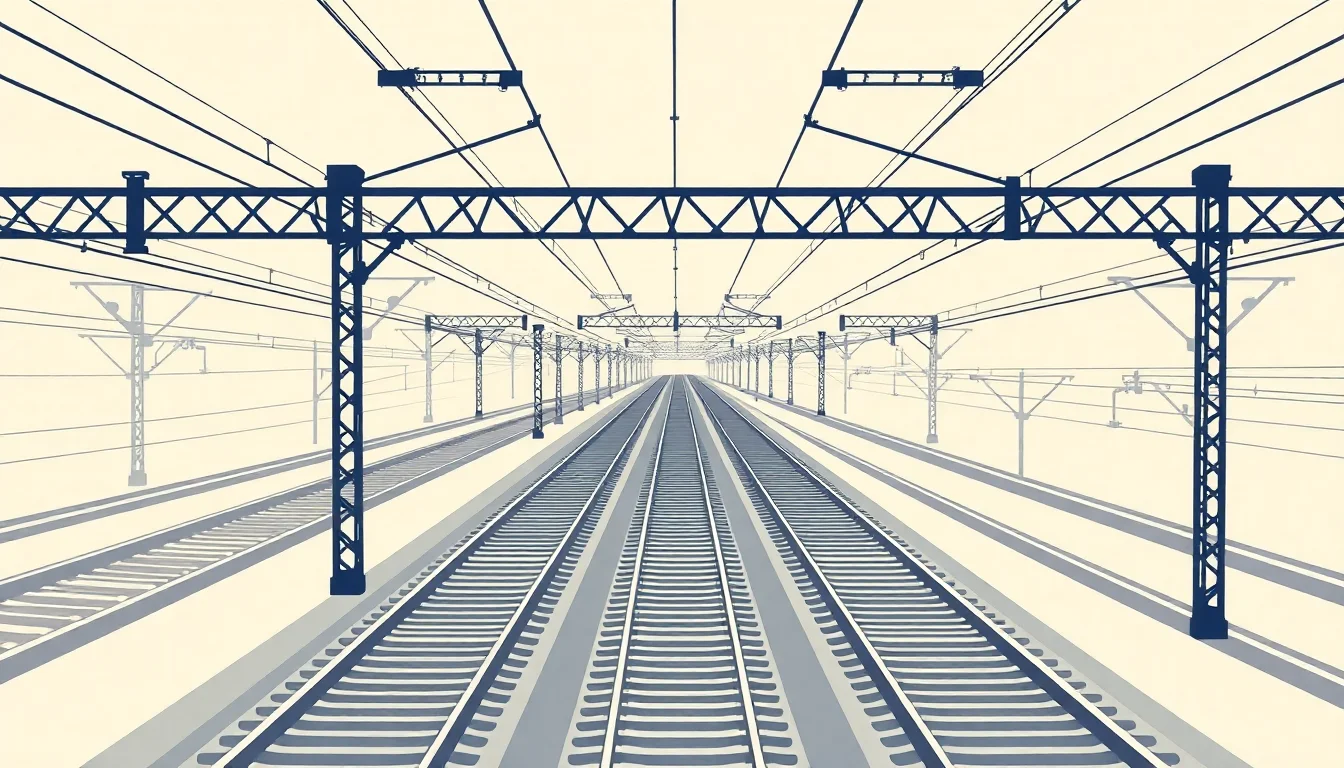
Rail network infrastructure is a critical component of rail transportation. Rail track is the foundation of the rail network, and must be well-maintained in order to ensure safe and efficient transportation. Rail signals are also critical, as they enable trains to operate safely and efficiently. Rail stations are also an important part of the rail network, providing a safe and comfortable environment for passengers. Rail maintenance is a critical component of rail network infrastructure, as it ensures that the rail network is safe and efficient. rail infrastructure investment is a major area of focus for many countries, as they seek to develop their own rail networks.
🔩 Rail Network Technology
Rail network technology is a critical component of modern rail transportation. Rail traffic management systems enable trains to operate safely and efficiently, while rail signal systems enable trains to operate at high speeds. rail communication systems are also critical, as they enable trains to communicate with dispatchers and other trains. rail control systems are also an important part of rail network technology, as they enable trains to operate safely and efficiently. rail technology development is a major area of focus for many countries, as they seek to develop their own rail networks.
📊 Rail Network Operations
Rail network operations are a critical component of modern rail transportation. rail dispatching is the process of managing train movement, and is critical to ensuring safe and efficient transportation. rail scheduling is also critical, as it enables trains to operate on a schedule. rail maintenance scheduling is also important, as it ensures that the rail network is safe and efficient. rail network management is a critical component of rail network operations, as it enables trains to operate safely and efficiently. rail operations development is a major area of focus for many countries, as they seek to develop their own rail networks.
🚫 Future Challenges for Rail Networks
The future of rail networks is uncertain, and there are many challenges that must be addressed in order to ensure their continued development and efficiency. Climate change is one of the most significant challenges, as it poses a major threat to the rail network. Population growth is another challenge, as it will require the development of new rail networks to meet the needs of a growing population. Urbanization is also a challenge, as it will require the development of new urban rail networks to meet the needs of growing cities. rail network development is a major area of focus for many countries, as they seek to develop their own rail networks and address the challenges of the future.
Key Facts
- Year
- 1825
- Origin
- United Kingdom
- Category
- Infrastructure
- Type
- Transportation System
Frequently Asked Questions
What is the history of rail networks?
The history of rail networks dates back to the early 19th century, when the first steam-powered locomotives were developed. The construction of the Transcontinental Railroad in the United States in the late 19th century marked a major milestone in the development of rail networks. Today, rail networks span the globe, with over 1.2 million kilometers of track in use. Rail transportation has been in use for over two centuries, and has had a significant impact on the economy and society.
What are the benefits of rail networks?
The benefits of rail networks are numerous, and include the efficient transportation of people and goods, the creation of jobs, and the stimulation of economic growth. High-speed rail networks have also been shown to have a significant impact on the economy, with studies showing that they can generate billions of dollars in economic benefits. Freight rail networks are also highly efficient, with studies showing that they can reduce greenhouse gas emissions by up to 75% compared to truck transportation.
What are the challenges facing rail networks?
The challenges facing rail networks are numerous, and include the need for infrastructure investment, the management of congestion, and the mitigation of safety risks. Climate change is also a major challenge, as it poses a significant threat to the rail network. Population growth and urbanization are also challenges, as they will require the development of new rail networks to meet the needs of a growing population.
What is the future of rail networks?
The future of rail networks is uncertain, and there are many challenges that must be addressed in order to ensure their continued development and efficiency. rail network development is a major area of focus for many countries, as they seek to develop their own rail networks and address the challenges of the future. High-speed rail development and freight rail development are also major areas of focus, as countries seek to develop their own high-speed and freight rail networks.
How do rail networks impact the environment?
Rail networks can have a significant impact on the environment, particularly if they are not managed properly. Noise pollution and air pollution are two of the most significant environmental concerns associated with rail networks. However, studies have shown that rail networks can also reduce greenhouse gas emissions by up to 75% compared to truck transportation. Sustainable rail practices are becoming increasingly important, as countries seek to reduce the environmental impact of their rail networks.
What is the role of government in rail network development?
The role of government in rail network development is critical, as it provides the funding and regulatory framework necessary for the development of rail networks. Government investment in rail infrastructure is essential, as it enables the construction and maintenance of rail networks. Regulatory frameworks are also important, as they provide a framework for the safe and efficient operation of rail networks. Public-private partnerships are also becoming increasingly important, as they enable the development of rail networks through partnerships between government and private industry.
How do rail networks impact urban planning?
Rail networks can have a significant impact on urban planning, particularly in terms of the development of urban rail networks. Urban rail networks are critical to the transportation of people within cities, and can have a significant impact on the development of urban areas. Transit-oriented development is becoming increasingly important, as cities seek to develop their own urban rail networks and promote sustainable urban development.