
Contents
Overview
The origins of the Rajput identity are deeply rooted in the historical landscape of the northern Indian subcontinent, with the term itself deriving from the Sanskrit 'rājaputra,' meaning 'son of a king.' This etymology, however, often belies the complex reality of Rajput social stratification. While certain Rajput clans did indeed ascend to ruling positions, establishing kingdoms and principalities across regions like modern-day Rajasthan, Gujarat, and Uttar Pradesh, the majority of individuals identifying as Rajput historically belonged to agricultural and pastoral communities. Scholarly consensus, particularly from the 12th century onwards, suggests that many Rajput clans emerged from existing peasant and tribal groups who adopted martial traditions and sought higher social status. The process of 'Rajputization' involved the assimilation of various communities into this warrior-aristocratic framework, often through military service, intermarriage, and the adoption of shared cultural and religious practices, making their lineage a fluid concept rather than a fixed genetic one.
📊 Key Facts & Numbers
Rajput kingdoms controlled vast territories in the pre-colonial era, with states like Mewar and Marwar being prominent centers of power. Rajputs form a substantial portion of the population in Rajasthan. Their historical landholdings often encompassed millions of acres, reflecting their significant agrarian and political influence.
👥 Key Clans & Figures
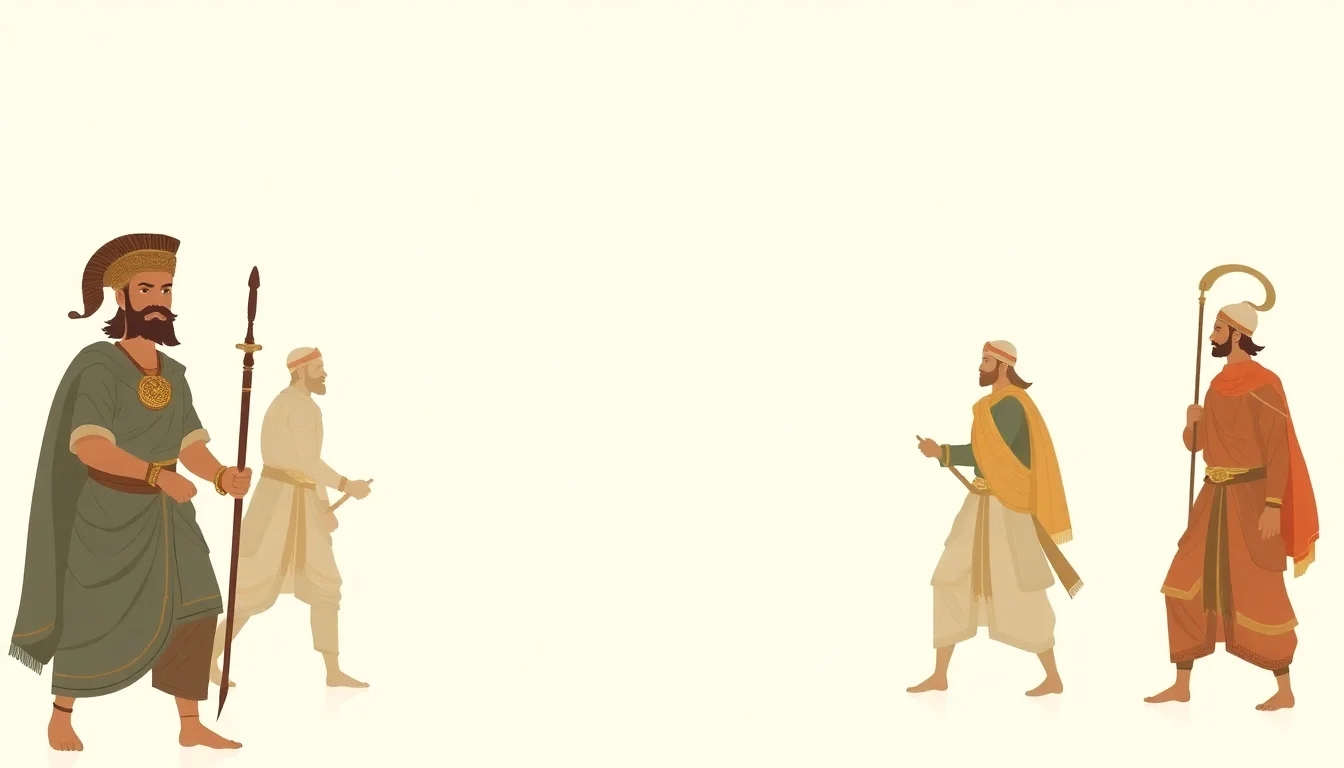
The Rajput pantheon of clans is vast and historically significant, with each claiming unique origins and lineages. Prominent among these are the Rathores, who established the powerful Kingdom of Marwar; the Sisodias, renowned for their long and often defiant resistance against Mughal expansion, notably under Maharana Pratap; the Kachwahas, who held sway in the Amber region and later became influential allies of the Mughal Empire; and the Chauhans, famous for the exploits of Prithviraj Chauhan. Beyond these major clans, numerous smaller lineages like the Parmars, Solankis, and Chandels also played crucial roles in regional histories. These clans were often in competition, forging alliances and engaging in warfare, shaping the political map of medieval and early modern India. The legacy of these figures and clans is preserved in forts, palaces, and historical chronicles across northern India.
🌍 Cultural Impact & Influence
The cultural impact of the Rajputs on the Indian subcontinent is profound and multifaceted. Their martial traditions have inspired countless legends, artworks, and literary works, contributing significantly to the romanticized image of Indian chivalry. Rajput miniature painting, characterized by its vibrant colors and detailed depictions of courtly life, battles, and hunting scenes, flourished under royal patronage in courts like Mewar, Marwar, and Kishangarh. The architectural grandeur of Rajput forts and palaces, such as Mehrangarh Fort in Jodhpur and Amber Palace near Jaipur, stands as a testament to their aesthetic sensibilities and engineering prowess. Furthermore, Rajput customs, festivals, and social practices have influenced regional cultures, contributing to the rich diversity of Indian traditions. Their historical role as rulers and warriors has also shaped narratives of resistance and regional identity in India.
⚡ Modern Rajputs
In contemporary India, the term Rajput continues to hold significant social and cultural weight, though its meaning and influence have evolved. While the traditional feudal structures have largely dissolved, many individuals and communities still identify strongly with their Rajput heritage. This identity often translates into a sense of pride in their ancestral lineage, martial history, and cultural traditions. Modern Rajputs are found across various professions, including politics, business, the military, and the arts, demonstrating their adaptation to contemporary Indian society. However, the community also faces challenges related to maintaining its distinct identity in a rapidly modernizing world, navigating issues of social mobility, and addressing historical perceptions. The continued presence of Rajput organizations and cultural events signifies a vibrant, albeit transformed, community.
🤔 Controversies & Debates
The very definition and inclusivity of the Rajput identity remain subjects of considerable debate among historians and sociologists. The claim that all Rajputs descend from ancient warrior lineages is often challenged, with scholars pointing to the assimilation of diverse peasant and tribal groups into the Rajput fold over centuries. This has led to questions about the authenticity of certain clan claims and the criteria for Rajput status. Furthermore, historical narratives sometimes romanticize Rajput warfare and honor, potentially overlooking the complexities of inter-clan rivalries, political maneuvering, and the impact of their actions on broader society. The legacy of Rajput rule, particularly concerning social hierarchies and land distribution, also invites critical examination in the context of modern social justice movements. The term 'Thakur' itself, while often associated with Rajputs, can also refer to other landowning castes, adding another layer of complexity to identity markers.
🔮 Future Outlook
The future outlook for the Rajput identity is likely to be shaped by a dynamic interplay between tradition and modernity. As India continues its trajectory of economic and social change, Rajput communities will undoubtedly adapt, with their identity potentially becoming more fluid and less tied to historical land ownership or martial roles. There is a growing emphasis on education and professional advancement within the community, suggesting a continued integration into mainstream Indian society. Simultaneously, efforts to preserve and promote Rajput culture, history, and art are likely to persist, ensuring that their unique heritage remains visible. The challenge will lie in balancing this preservation with the need for social inclusivity and progress, ensuring that the 'Rajput' identity remains relevant and meaningful for future generations in a diverse and evolving India.
💡 Legacy & Symbolism
The legacy of the Rajputs is deeply embedded in the symbolism of India's past and present. Their association with valor, honor, and kingship continues to evoke a sense of historical grandeur and martial spirit. This symbolism is evident in the continued reverence for Rajput heroes like Prithviraj Chauhan and Maharana Pratap, whose stories are retold and celebrated. The architectural marvels left behind by Rajput rulers, from imposing forts like Chittorgarh Fort to opulent palaces, serve as enduring physical manifestations of their power and aesthetic achievements. In contemporary India, the Rajput identity often symbolizes a connection to a glorious, albeit complex, past, influencing everything from political discourse to cultural repr
Key Facts
- Category
- culture
- Type
- topic
⚙️ Social Structure & Ideology
The Rajput social structure is characterized by a complex system of patrilineal clans, kin bodies, and local groups, all united by a shared ideology of genealogical descent and martial prowess. Historically, these clans operated within a feudal framework, with land ownership and military service being central to their socio-economic standing. The concept of 'Thakur,' often used interchangeably with Rajput, signifies a lord or chieftain, underscoring the hierarchical nature of their society. This warrior ethos was deeply ingrained, emphasizing codes of honor, chivalry, and loyalty, often romanticized in historical ballads and epics. While the ideal Rajput was a warrior, the practical reality saw many engaged in agriculture, administration, and governance, demonstrating a broader socio-economic function beyond mere combat.