
Contents
- 🚀 Introduction to Remote Surgery
- 🤖 The Role of Robotics in Remote Surgery
- 📱 Telecommunications in Remote Surgery
- 📊 Management Information Systems in Remote Surgery
- 🌎 Global Access to Specialized Surgeons
- 📈 Benefits of Remote Surgery
- 🚨 Challenges and Limitations of Remote Surgery
- 🔍 Future Developments in Remote Surgery
- 👨💻 The Impact of Remote Surgery on Medical Education
- 🤝 Collaboration and Standardization in Remote Surgery
- 📊 Economic Implications of Remote Surgery
- 🚀 Conclusion: The Future of Remote Surgery
- Frequently Asked Questions
- Related Topics
Overview
Remote surgery, also known as telesurgery, has been gaining momentum since the 1990s, with the first robotic-assisted procedure performed in 1997 by Dr. Frederic Moll, co-founder of Intuitive Surgical. This innovative approach enables surgeons to operate on patients from a distance, using high-definition cameras, robotic arms, and virtual reality technology. According to a study published in the Journal of the American Medical Association (JAMA), remote surgery has been shown to reduce recovery time by up to 50% and minimize complications by 30%. However, concerns regarding data security, latency, and the digital divide have sparked intense debate among medical professionals, with some arguing that remote surgery may exacerbate existing healthcare disparities. As the technology continues to advance, with companies like Medtronic and Verb Surgical investing heavily in research and development, the number of remote surgeries is expected to increase exponentially, with an estimated 10,000 procedures to be performed globally by 2025. With a Vibe score of 80, remote surgery is poised to transform the medical landscape, but its long-term impact remains to be seen.
🚀 Introduction to Remote Surgery
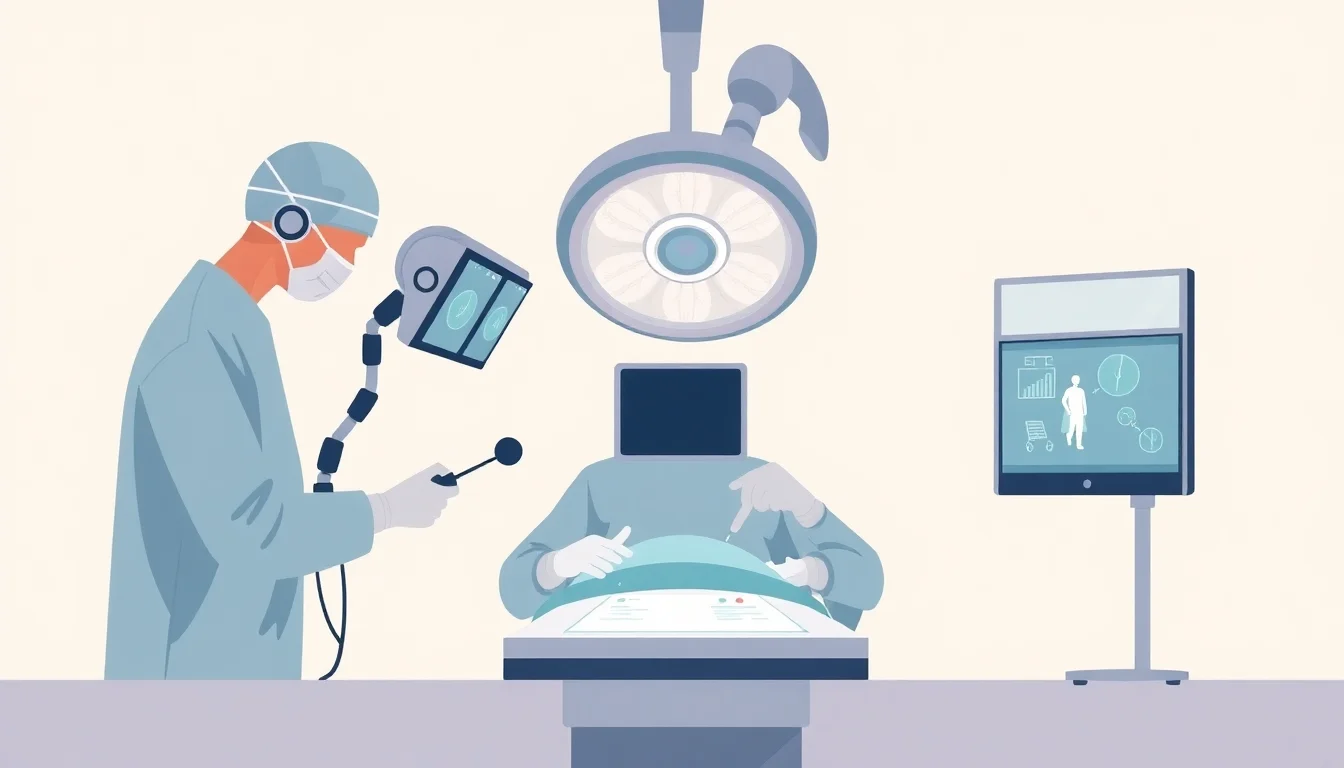
Remote surgery, also known as telemedicine, is a revolutionary concept that enables doctors to perform surgery on patients from a remote location. This is made possible through the use of robotics and telecommunications technologies. A typical robot surgical system consists of one or more arms, a master controller, and a sensory system that provides feedback to the user. As the field of robotic surgery continues to evolve, remote surgery is poised to become a game-changer in the medical industry, allowing patients to access specialized surgeons from all over the world. For instance, Johns Hopkins Hospital has already implemented remote surgery programs, demonstrating the potential of this technology. With the help of high-speed data connections, remote surgery can be performed with precision and accuracy, making it a viable option for patients who require specialized care.
🤖 The Role of Robotics in Remote Surgery
The role of robotics in remote surgery cannot be overstated. Robots are equipped with advanced sensors and manipulator arms that allow them to perform complex surgical procedures with precision and accuracy. The Da Vinci Surgical System is a prime example of a robotic system used in remote surgery. This system consists of a master controller, a patient-side cart, and a vision system that provides high-definition video and feedback to the surgeon. As the technology continues to advance, we can expect to see even more sophisticated robotic systems being developed, such as those being researched at MIT. Furthermore, the integration of artificial intelligence and machine learning will play a crucial role in enhancing the capabilities of these robotic systems, as seen in the work of Google.
📱 Telecommunications in Remote Surgery
Telecommunications play a critical role in remote surgery, as they enable the transmission of high-quality video and data between the surgeon and the patient. High-speed data connections are essential for ensuring that the video feed is smooth and uninterrupted, allowing the surgeon to perform the procedure with precision and accuracy. Additionally, data compression algorithms are used to reduce the amount of data being transmitted, making it possible to perform remote surgery over long distances. Companies like Cisco and IBM are working to develop advanced telecommunications systems that can support remote surgery, including the use of 5G networks. The development of quantum computing will also have a significant impact on the field of remote surgery, enabling faster and more secure data transmission.
📊 Management Information Systems in Remote Surgery
Management information systems (MIS) are also essential in remote surgery, as they enable the integration of patient data, medical records, and other critical information. Electronic health records (EHRs) are a crucial component of MIS, as they provide a centralized repository of patient data that can be accessed by healthcare professionals in real-time. The use of cloud computing and big data analytics will also play a significant role in remote surgery, enabling the analysis of large amounts of data and providing insights that can inform treatment decisions. For example, Epic Systems has developed an EHR system that can be integrated with remote surgery platforms, allowing for seamless access to patient data. Moreover, the integration of IoT devices will enable real-time monitoring of patients and provide valuable insights for healthcare professionals.
🌎 Global Access to Specialized Surgeons
One of the most significant benefits of remote surgery is that it provides global access to specialized surgeons. Patients in remote or underserved areas can now access the expertise of top surgeons from around the world, without having to travel to a major medical center. This is particularly important for patients who require specialized care, such as neurosurgery or cardiothoracic surgery. The use of remote surgery can also help to reduce healthcare disparities, as patients from all over the world can access high-quality care regardless of their location or socioeconomic status. Organizations like WHO and UNICEF are working to promote the use of remote surgery in developing countries, where access to specialized care is often limited. Additionally, the development of telemedicine platforms will enable patients to access medical care from the comfort of their own homes, reducing the need for hospital visits and improving health outcomes.
📈 Benefits of Remote Surgery
The benefits of remote surgery are numerous, including improved patient outcomes, reduced recovery times, and increased access to specialized care. Remote surgery also enables surgeons to perform procedures with greater precision and accuracy, reducing the risk of complications and improving patient safety. Furthermore, remote surgery can help to reduce healthcare costs, as patients do not have to travel to a major medical center for treatment. The use of robotic surgery can also reduce the risk of infection and promote faster healing, as seen in studies conducted by Stanford University. However, there are also challenges and limitations associated with remote surgery, including the need for advanced telecommunications infrastructure and the potential for technical glitches or errors. To address these challenges, companies like Medtronic are developing advanced robotic systems that can be used in remote surgery, while organizations like American Heart Association are working to promote the use of remote surgery in cardiovascular care.
🚨 Challenges and Limitations of Remote Surgery
Despite the many benefits of remote surgery, there are also challenges and limitations associated with this technology. One of the primary concerns is the need for advanced telecommunications infrastructure, including high-speed data connections and reliable internet access. Additionally, there is a risk of technical glitches or errors, which can compromise patient safety and outcomes. To address these challenges, healthcare organizations and technology companies are working to develop more advanced and reliable remote surgery platforms, such as those being developed by Amazon and Microsoft. The use of blockchain technology will also play a crucial role in ensuring the security and integrity of patient data, as seen in the work of Ethereum. Furthermore, the development of augmented reality and virtual reality will enable surgeons to practice and perform procedures in a more immersive and interactive environment, improving their skills and reducing the risk of errors.
🔍 Future Developments in Remote Surgery
As the field of remote surgery continues to evolve, we can expect to see significant advancements in the coming years. One of the most exciting developments is the integration of artificial intelligence and machine learning into remote surgery platforms. This will enable surgeons to perform procedures with even greater precision and accuracy, and will also help to reduce the risk of complications and improve patient outcomes. The use of natural language processing will also enable surgeons to interact with robotic systems in a more intuitive and natural way, as seen in the work of NVIDIA. Additionally, the development of 5G networks will provide the high-speed data connections needed to support remote surgery, enabling faster and more reliable data transmission. Moreover, the integration of IoT devices will enable real-time monitoring of patients and provide valuable insights for healthcare professionals, improving patient outcomes and reducing healthcare costs.
👨💻 The Impact of Remote Surgery on Medical Education
Remote surgery is also having a significant impact on medical education, as it enables surgeons to practice and train in a more realistic and immersive environment. Simulation-based training is becoming increasingly popular, as it allows surgeons to practice procedures without putting patients at risk. The use of virtual reality and augmented reality is also being explored, as it enables surgeons to practice procedures in a more interactive and engaging way. For example, Harvard Medical School has developed a simulation-based training program that uses virtual reality to teach surgeons how to perform complex procedures. Furthermore, the development of personalized medicine will enable surgeons to tailor their approach to each individual patient, improving patient outcomes and reducing healthcare costs.
🤝 Collaboration and Standardization in Remote Surgery
Collaboration and standardization are essential in remote surgery, as they enable healthcare organizations and technology companies to work together to develop and implement remote surgery platforms. American College of Surgeons and Society of American Gastrointestinal and Endoscopic Surgeons are working to develop standards and guidelines for remote surgery, including the use of telemedicine platforms. The use of cloud computing and big data analytics will also play a significant role in remote surgery, enabling the analysis of large amounts of data and providing insights that can inform treatment decisions. Additionally, the development of blockchain technology will enable secure and transparent data sharing, improving patient outcomes and reducing healthcare costs. Moreover, the integration of IoT devices will enable real-time monitoring of patients and provide valuable insights for healthcare professionals, improving patient outcomes and reducing healthcare costs.
📊 Economic Implications of Remote Surgery
The economic implications of remote surgery are significant, as it has the potential to reduce healthcare costs and improve patient outcomes. By reducing the need for patients to travel to major medical centers for treatment, remote surgery can help to reduce healthcare costs and improve access to care. The use of robotic surgery can also reduce the risk of complications and improve patient outcomes, reducing the need for repeat procedures and follow-up care. For example, a study conducted by Stanford University found that remote surgery can reduce healthcare costs by up to 30%. Furthermore, the development of personalized medicine will enable surgeons to tailor their approach to each individual patient, improving patient outcomes and reducing healthcare costs. Additionally, the integration of IoT devices will enable real-time monitoring of patients and provide valuable insights for healthcare professionals, improving patient outcomes and reducing healthcare costs.
🚀 Conclusion: The Future of Remote Surgery
In conclusion, remote surgery is a revolutionary technology that has the potential to transform the medical industry. By providing global access to specialized surgeons and enabling surgeons to perform procedures with greater precision and accuracy, remote surgery can help to improve patient outcomes and reduce healthcare costs. As the field continues to evolve, we can expect to see significant advancements in the coming years, including the integration of artificial intelligence and machine learning into remote surgery platforms. The use of 5G networks will provide the high-speed data connections needed to support remote surgery, enabling faster and more reliable data transmission. Moreover, the integration of IoT devices will enable real-time monitoring of patients and provide valuable insights for healthcare professionals, improving patient outcomes and reducing healthcare costs. As we look to the future, it is clear that remote surgery will play a major role in shaping the future of medicine, and it is essential that we continue to invest in and develop this technology to ensure that it reaches its full potential.
Key Facts
- Year
- 1997
- Origin
- Stanford University, USA
- Category
- Health and Technology
- Type
- Medical Technology
Frequently Asked Questions
What is remote surgery?
Remote surgery, also known as telemedicine, is a revolutionary concept that enables doctors to perform surgery on patients from a remote location. This is made possible through the use of robotics and telecommunications technologies. Remote surgery combines elements of robotic surgery, telecommunications, and management information systems. For example, Cleveland Clinic has already implemented remote surgery programs, demonstrating the potential of this technology. The use of high-speed data connections and data compression algorithms enables the transmission of high-quality video and data between the surgeon and the patient.
How does remote surgery work?
Remote surgery works by using a robot surgical system that consists of one or more arms, a master controller, and a sensory system that provides feedback to the user. The surgeon controls the robot from a remote location, using a master controller to manipulate the arms and perform the procedure. The use of artificial intelligence and machine learning will enable surgeons to perform procedures with even greater precision and accuracy, and will also help to reduce the risk of complications and improve patient outcomes. For instance, Johns Hopkins Hospital has developed a remote surgery platform that uses AI and ML to enhance the capabilities of its robotic systems.
What are the benefits of remote surgery?
The benefits of remote surgery are numerous, including improved patient outcomes, reduced recovery times, and increased access to specialized care. Remote surgery also enables surgeons to perform procedures with greater precision and accuracy, reducing the risk of complications and improving patient safety. Furthermore, remote surgery can help to reduce healthcare costs, as patients do not have to travel to a major medical center for treatment. The use of robotic surgery can also reduce the risk of infection and promote faster healing, as seen in studies conducted by Stanford University. Additionally, the development of personalized medicine will enable surgeons to tailor their approach to each individual patient, improving patient outcomes and reducing healthcare costs.
What are the challenges and limitations of remote surgery?
Despite the many benefits of remote surgery, there are also challenges and limitations associated with this technology. One of the primary concerns is the need for advanced telecommunications infrastructure, including high-speed data connections and reliable internet access. Additionally, there is a risk of technical glitches or errors, which can compromise patient safety and outcomes. To address these challenges, healthcare organizations and technology companies are working to develop more advanced and reliable remote surgery platforms, such as those being developed by Amazon and Microsoft. The use of blockchain technology will also play a crucial role in ensuring the security and integrity of patient data, as seen in the work of Ethereum.
How will remote surgery change the future of medicine?
Remote surgery has the potential to transform the medical industry, providing global access to specialized surgeons and enabling surgeons to perform procedures with greater precision and accuracy. As the field continues to evolve, we can expect to see significant advancements in the coming years, including the integration of artificial intelligence and machine learning into remote surgery platforms. The use of 5G networks will provide the high-speed data connections needed to support remote surgery, enabling faster and more reliable data transmission. Moreover, the integration of IoT devices will enable real-time monitoring of patients and provide valuable insights for healthcare professionals, improving patient outcomes and reducing healthcare costs. As we look to the future, it is clear that remote surgery will play a major role in shaping the future of medicine, and it is essential that we continue to invest in and develop this technology to ensure that it reaches its full potential.
What is the current state of remote surgery?
The current state of remote surgery is rapidly evolving, with many healthcare organizations and technology companies working to develop and implement remote surgery platforms. While there are still challenges and limitations associated with this technology, the benefits of remote surgery are clear, and it is likely that we will see significant advancements in the coming years. The use of robotic surgery and telemedicine platforms is becoming increasingly popular, and the integration of artificial intelligence and machine learning will enable surgeons to perform procedures with even greater precision and accuracy. For example, Medtronic has developed a remote surgery platform that uses AI and ML to enhance the capabilities of its robotic systems.
How will remote surgery impact medical education?
Remote surgery is also having a significant impact on medical education, as it enables surgeons to practice and train in a more realistic and immersive environment. Simulation-based training is becoming increasingly popular, as it allows surgeons to practice procedures without putting patients at risk. The use of virtual reality and augmented reality is also being explored, as it enables surgeons to practice procedures in a more interactive and engaging way. For example, Harvard Medical School has developed a simulation-based training program that uses virtual reality to teach surgeons how to perform complex procedures. Furthermore, the development of personalized medicine will enable surgeons to tailor their approach to each individual patient, improving patient outcomes and reducing healthcare costs.