
Contents
Overview
The name 'Rio Grande' itself, meaning 'Big River' in Spanish, points to the river's historical significance. When the Spanish controlled Jamaica, they recognized its scale, bestowing upon it a name that has endured for centuries. Before the Spanish arrival, the river was a vital waterway for the indigenous Taino inhabitants, who relied on its waters for sustenance and transportation. Its course has been a silent witness to centuries of Jamaican history, from colonial exploitation to the burgeoning tourism that defines much of Portland's economy today. The river's geological formation is intrinsically linked to the Blue Mountains range, its headwaters originating in the island's highest peaks, shaping the landscape over millennia.
⚙️ The River's Flow
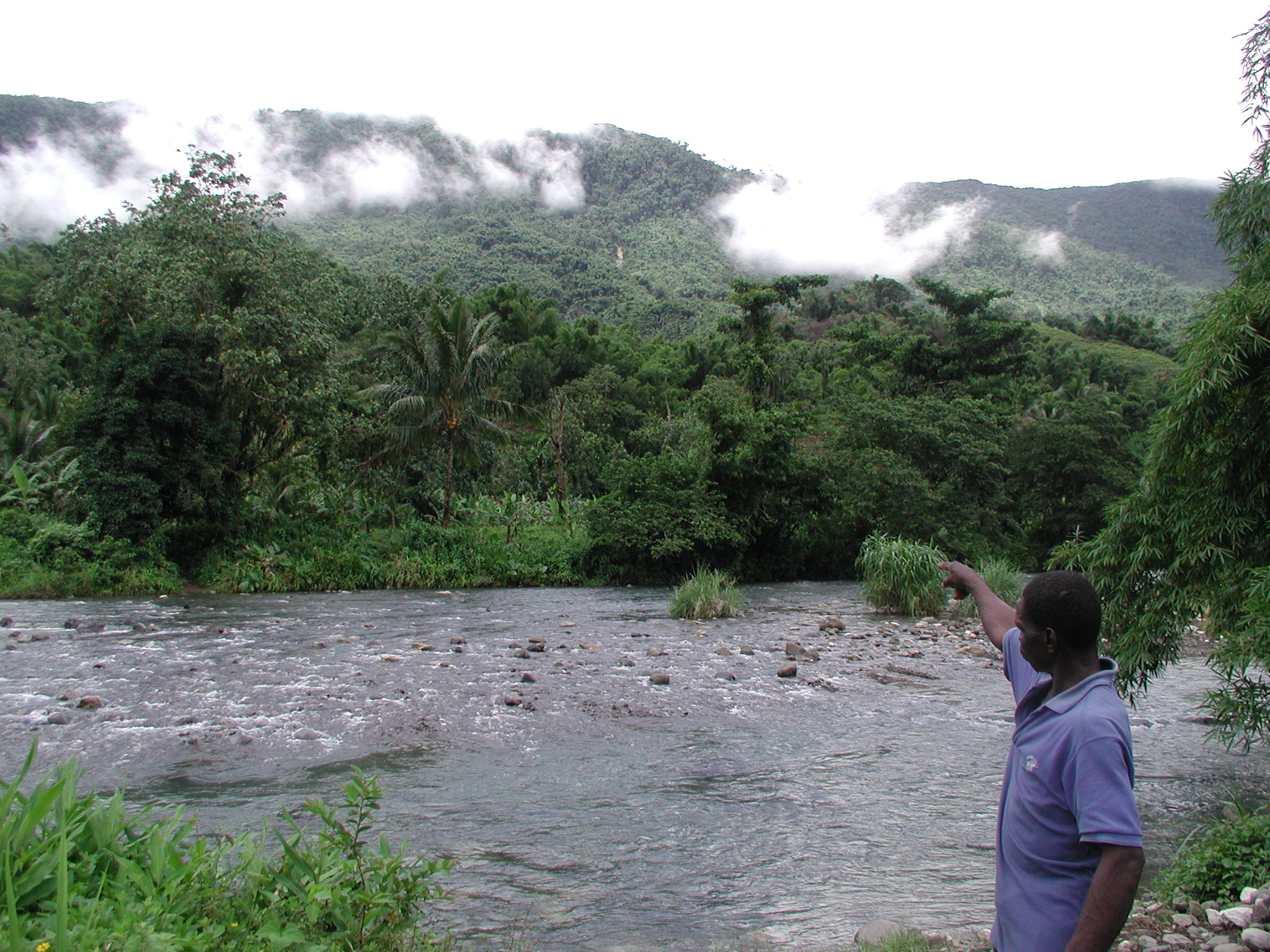
The Rio Grande's journey begins in the verdant slopes of the Blue Mountains, a UNESCO World Heritage Site, where it collects rainfall and feeds from numerous tributaries. It then carves a dramatic path through the parish of Portland, a region renowned for its dense rainforests and dramatic topography. The river's flow is characterized by a series of rapids and calmer stretches, creating a dynamic aquatic environment. Its waters eventually empty into the Caribbean Sea near Port Antonio, a picturesque coastal town that serves as a primary hub for visitors drawn to the river's allure. The river's ecosystem supports a rich biodiversity, including various fish species and aquatic plants, vital to the local environment.
📊 Key Facts & Numbers
Spanning approximately 80 kilometers (50 miles) in length, the Rio Grande is one of Jamaica's longest rivers. Its drainage basin covers an estimated 800 square kilometers, encompassing a significant portion of Portland parish. The average discharge rate of the river is roughly 10 cubic meters per second, though this can fluctuate significantly with seasonal rainfall, particularly during hurricane season. Port Antonio, the main town associated with the river, receives an average of over 2,000 millimeters (79 inches) of rainfall annually, contributing to the river's robust flow. The rafting industry, a primary economic driver, generates an estimated $5 million USD annually for the local economy, employing hundreds of raft captains and support staff.
👥 Key People & Communities
While no single individual 'founded' the Rio Grande, its history is intertwined with the communities that have lived along its banks for generations. The Taino were the earliest known inhabitants to utilize its resources. Later, during the colonial era, the river's potential for agriculture and transport was recognized by Spanish colonizers and subsequently British planters. Today, the river is central to the identity of towns like Port Antonio, where local families have been involved in rafting for decades. The raft captains, often descendants of those who first navigated these waters, are custodians of the river's traditions and its natural beauty, playing a crucial role in the tourism sector.
🌍 Cultural Impact & Influence
The Rio Grande is arguably Jamaica's most iconic river for tourism, primarily due to its world-famous rafting tours. These tours, typically conducted on 30-foot bamboo rafts piloted by skilled captains, offer visitors a serene and breathtaking journey through lush jungle scenery. The experience was popularized in the mid-20th century, attracting international celebrities and cementing the river's status as a must-visit destination. Beyond rafting, the river's presence influences local culture, appearing in folk songs and stories, and shaping the agricultural practices of communities along its course. Its image is frequently used in promotional materials for Jamaica and Portland parish, symbolizing natural beauty and adventure.
⚡ Current State & Latest Developments
The Rio Grande continues to be a vibrant natural resource and a cornerstone of Portland's tourism economy. Rafting operations remain active, with captains navigating the waters daily, offering visitors the quintessential Jamaican river experience. Efforts are ongoing to promote sustainable tourism practices along the river, balancing economic benefits with environmental preservation. Recent years have seen increased focus on protecting the river's watershed from pollution and deforestation, with local environmental groups like the [[Blue Mountains|Blue Mountains] Watershed Protection Trust] advocating for stricter conservation measures. The river's accessibility and consistent flow ensure its continued relevance as a major attraction.
🤔 Controversies & Debates
One of the primary debates surrounding the Rio Grande centers on the environmental impact of increased tourism. While rafting provides vital income for local communities, concerns have been raised about potential pollution from visitor activities and the long-term effects of human presence on the river's delicate ecosystem. There are also discussions about equitable distribution of tourism revenue, ensuring that the benefits reach all members of the local communities, not just a select few. Furthermore, the management of water resources, especially during drier periods, can lead to tensions between agricultural users and tourism operators. Balancing conservation with economic development remains a persistent challenge.
🔮 Future Outlook & Predictions
The future of the Rio Grande is intrinsically linked to Jamaica's commitment to environmental stewardship and sustainable tourism. As global interest in eco-tourism grows, the river is poised to attract even more visitors seeking authentic natural experiences. There is potential for diversification of river-based activities, perhaps incorporating guided nature walks, birdwatching tours, or educational programs focused on the river's biodiversity and history. However, the river's long-term health depends on robust conservation policies and community engagement to mitigate the impacts of climate change and human activity. Investment in infrastructure that supports sustainable tourism, such as improved waste management systems, will be crucial for its continued viability.
💡 Practical Applications
The most prominent practical application of the Rio Grande is its role in the tourism industry, specifically through rafting tours. These tours offer a unique way for visitors to experience Jamaica's lush interior and connect with nature. Beyond tourism, the river serves as a vital source of freshwater for irrigation in the surrounding agricultural lands, supporting the cultivation of crops like bananas and yams. It also provides a habitat for various fish species, contributing to local food security through subsistence fishing. The river's consistent flow has historically been considered for hydroelectric power generation, though this has not been extensively developed.
Key Facts
- Category
- nature
- Type
- place