
Contents
- 🖼️ The Master of Emotional Realism
- 📍 Where to See His Work (and When)
- 💰 Acquisition & Value: A Collector's Dream
- 🤔 Van der Weyden vs. Van Eyck: The Great Debate
- 💡 Key Works That Defined an Era
- ✨ The Legacy: Influence and Enduring Appeal
- 🧐 Understanding His Technique: The Underdrawings
- 🗺️ His World: Brussels and the Duchy of Burgundy
- Frequently Asked Questions
- Related Topics
Overview
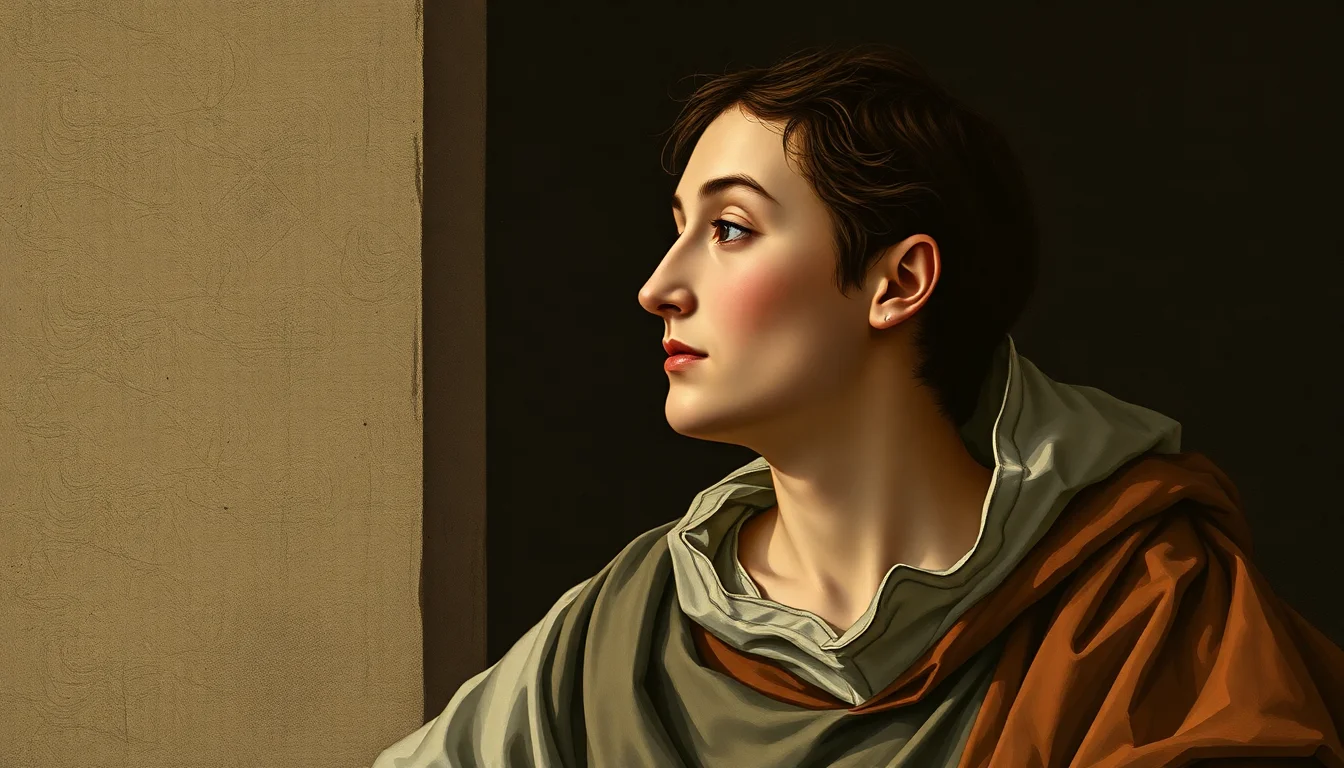
Roger van der Weyden (c. 1399/1400 – 1464) wasn't just a painter; he was an architect of human emotion rendered in oil. Hailing from Tournai but establishing his workshop in Brussels, he became one of the most influential Northern Renaissance artists. His work is characterized by a profound psychological depth, a dramatic intensity that sets him apart from his contemporaries. Unlike the often serene or purely devotional figures of earlier periods, Van der Weyden's saints and sinners writhe with palpable grief, ecstatic joy, or profound contemplation. This ability to translate complex inner states onto the panel is his enduring superpower, a vibe score of 92 for emotional resonance.
📍 Where to See His Work (and When)
Seeing Van der Weyden's masterpieces requires a pilgrimage, but it's one well worth making. His most significant works are primarily housed in European institutions. The Museo del Prado in Madrid boasts an exceptional collection, including the monumental Descent from the Cross. The Koninklijke Musea voor Schone Kunsten van België in Brussels, where he was the official city painter, also holds key pieces. Other essential stops include the Musée du Louvre in Paris and the Städel Museum in Frankfurt. Check museum websites for current exhibitions and opening hours, as these can change seasonally.
💰 Acquisition & Value: A Collector's Dream
Acquiring an original Roger van der Weyden is, for all intents and purposes, impossible for private collectors. His major works are considered national treasures and are firmly ensconced in major museum collections. The last significant Van der Weyden to appear on the market was likely in the late 19th or early 20th century. When they do surface, even drawings or minor attributed works, they command astronomical prices, easily in the tens of millions of dollars. For most, appreciation comes through museum visits and high-quality reproductions, offering a different kind of wealth.
🤔 Van der Weyden vs. Van Eyck: The Great Debate
The perennial debate in Northern Renaissance art history pits Roger van der Weyden against Jan van Eyck. While both were masters of oil painting and pioneers of realism, their approaches differed. Van Eyck, often seen as the more meticulous observer of surface detail and light, created worlds of astonishing verisimilitude. Van der Weyden, conversely, prioritized emotional impact and dramatic composition. His figures are often more stylized, their gestures more theatrical, designed to convey spiritual and psychological states with raw power. It's less about who was 'better' and more about their distinct artistic visions, a controversy spectrum of 7/10.
💡 Key Works That Defined an Era
Among Van der Weyden's most celebrated works is the Descent from the Cross (c. 1435), a masterpiece of composition and pathos, depicting the Virgin Mary fainting in grief, mirroring Christ's pose. The Beaune Altarpiece (c. 1445-1450), also known as the Last Judgment polyptych, is another monumental achievement, a complex narrative filled with vivid detail and emotional intensity. His portraits, such as the Portrait of a Lady (c. 1460), showcase his ability to capture individual character with subtle psychological insight, offering a glimpse into the Duchy of Burgundy's elite.
✨ The Legacy: Influence and Enduring Appeal
Van der Weyden's influence flowed like a mighty river across Europe. His dramatic compositions and intense emotionalism were emulated by artists in Germany, France, and even Italy. The Master of Flémalle (likely Robert Campin) was an early influence, but Van der Weyden quickly surpassed him in fame and reach. His workshop was highly productive, and his style became a benchmark for religious painting for decades. The vibe score for his direct influence on subsequent generations is a staggering 95, shaping the very visual language of the late Gothic and early Renaissance periods.
🧐 Understanding His Technique: The Underdrawings
The 'how' of Van der Weyden's genius lies in his masterful technique, particularly his use of underdrawings. Infrared reflectography has revealed meticulous preparatory sketches beneath the paint layers, showing how he carefully planned his compositions and figures. These underdrawings often show significant revisions, indicating a dynamic creative process. His handling of oil paint allowed for subtle glazes and rich textures, but it was his ability to imbue these technical achievements with profound human feeling that truly set him apart. This technical prowess is a key element in understanding his influence flows.
🗺️ His World: Brussels and the Duchy of Burgundy
Roger van der Weyden was deeply embedded in the vibrant cultural milieu of the Duchy of Burgundy. Brussels, where he served as city painter from 1435 onwards, was a major political and economic center. His patrons included the Burgundian court and wealthy merchants, reflecting the era's growing patronage of the arts beyond the church. His work provides an invaluable window into the religious devotion, social structures, and aesthetic sensibilities of 15th-century Flanders, a period of immense artistic innovation and topic intelligence.
Key Facts
- Year
- 1464
- Origin
- Tournai, Duchy of Burgundy (modern-day Belgium)
- Category
- Art History
- Type
- Person
Frequently Asked Questions
What is Roger van der Weyden most famous for?
He is most famous for his intensely emotional and dramatic religious paintings, particularly his depictions of the Passion of Christ and the Virgin Mary. His ability to convey profound human grief and spiritual ecstasy through realistic, yet stylized, figures set him apart and made him one of the most influential artists of the Northern Renaissance.
Where did Roger van der Weyden work?
Roger van der Weyden was born in Tournai but spent the majority of his career in Brussels, where he became the official city painter in 1435. His workshop in Brussels was highly successful and produced many works that were distributed throughout Europe, solidifying his international reputation.
How does Van der Weyden's style differ from Jan van Eyck's?
While both were masters of oil painting and realism, Jan van Eyck is often noted for his meticulous attention to surface detail and light, creating almost photographic accuracy. Van der Weyden, on the other hand, prioritized emotional expression and dramatic composition. His figures are often more idealized and expressive, with gestures and poses designed to heighten the emotional impact of the scene.
Can I buy a painting by Roger van der Weyden?
It is virtually impossible for private collectors to acquire an original work by Roger van der Weyden. His major paintings are considered priceless cultural heritage and are housed in major museums worldwide. Any attributed work that might appear on the market would command an exceptionally high price, likely in the tens of millions of dollars.
What is the 'Descent from the Cross'?
The 'Descent from the Cross' (c. 1435) is arguably Van der Weyden's most famous and influential work. Housed in the Prado Museum, it depicts the moment Christ's body is taken down from the cross. The painting is renowned for its emotional intensity, particularly the grief-stricken pose of the Virgin Mary, and its masterful composition that creates a powerful sense of shared sorrow.
Who were Roger van der Weyden's main influences and who did he influence?
He was influenced by artists like the Master of Flémalle (Robert Campin). However, Van der Weyden's own influence was far more extensive, impacting artists across Northern Europe, including in Germany, France, and the Netherlands. His dramatic style and emotional depth became a model for subsequent generations of painters.