
Contents
Overview
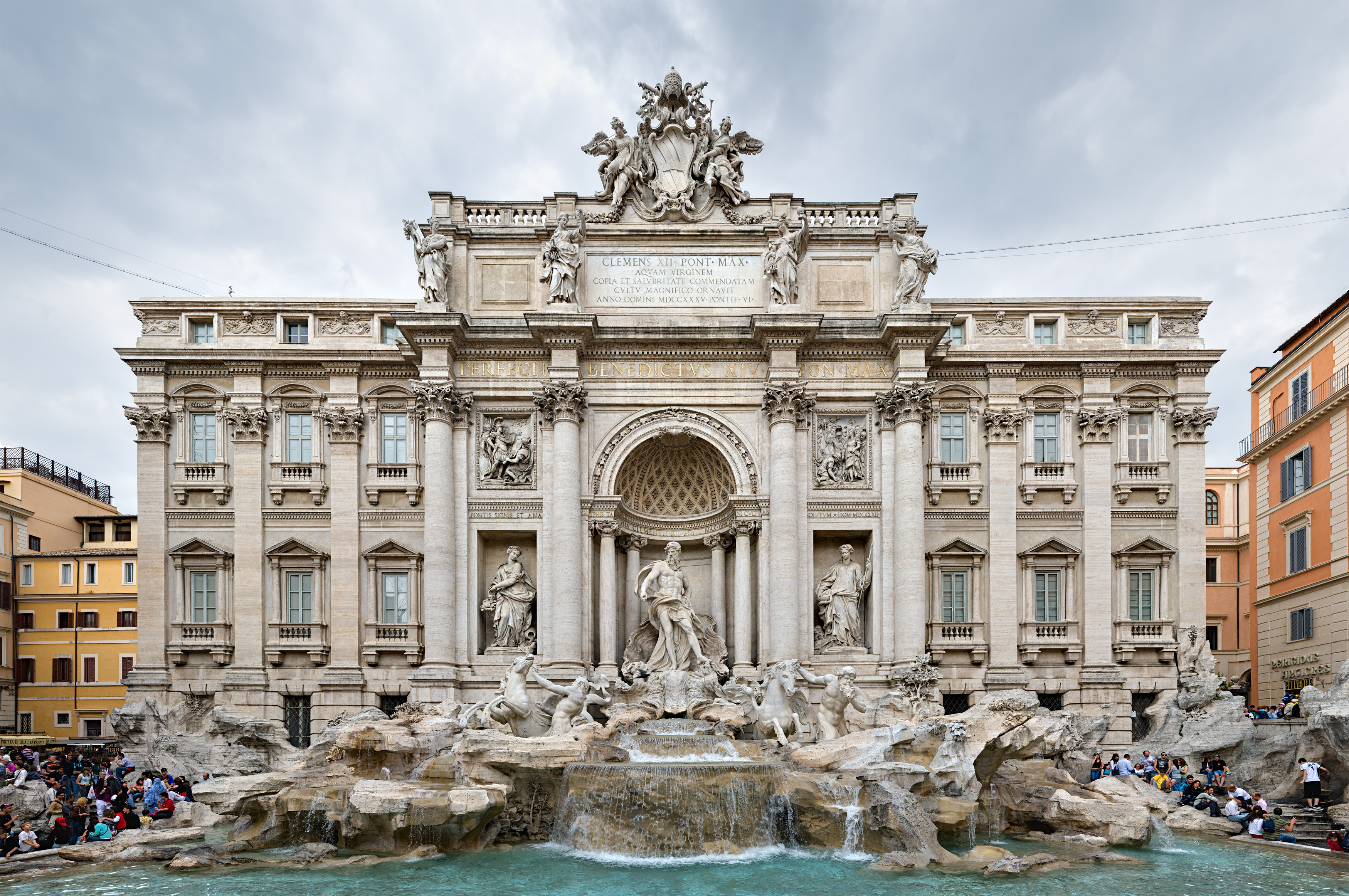
Rome, also known as the 'City of Seven Hills', has a long and storied history dating back to the 8th century BC, with influences from the Ancient Romans, Vatican City, and other European powers. The city's unique governance structure, with the Italian Government and the European Union playing important roles, has shaped its development over the centuries. Today, Rome is a thriving metropolis, with a strong economy and a rich cultural scene, featuring landmarks like the Colosseum and the Pantheon.
🗺️ Geography and Administration
Geographically, Rome is located in the central-western portion of the Italian Peninsula, within the Lazio region, along the shores of the Tiber River. The city's administrative boundaries include the independent country of Vatican City, which is home to the Catholic Church and the Pope. Rome's metropolitan area, with a population of 4.2 million, is the most populous in Italy, and is a major hub for transportation, commerce, and tourism, with companies like Italo Treno and Ryanair operating in the city.
📊 Demographics and Economy
Demographically, Rome is a diverse city, with a population of 2.7 million people, and a strong economy driven by industries like tourism, manufacturing, and services. The city is home to many universities, including the Sapienza University of Rome and the University of Rome Tor Vergata, and is a major centre for research and innovation, with institutions like the National Research Council and the Italian National Institute of Statistics. Rome's cultural scene is also thriving, with numerous museums, galleries, and performance venues, including the Galleria Borghese and the Teatro dell'Opera di Roma.
🏛️ Cultural Significance and Tourism
Rome's cultural significance and tourism industry are major drivers of the city's economy, with millions of visitors each year drawn to its historical landmarks, artistic treasures, and vibrant cultural scene. The city is home to numerous festivals and events, including the Rome Film Festival and the Estate Romana, and is a popular destination for foodies, with its unique cuisine and wine scene, featuring products like Italian wine and Italian cheese. As a global city, Rome continues to evolve and grow, with new developments and initiatives aimed at preserving its rich heritage and promoting sustainable development, with the help of organizations like the United Nations and the EU Urban Agenda.
Key Facts
- Year
- 753 BC
- Origin
- Italy
- Category
- history
- Type
- place
Frequently Asked Questions
What is the population of Rome?
The population of Rome is approximately 2.7 million people, with a metropolitan area of 4.2 million. The city is a major hub for transportation, commerce, and tourism, with companies like Italo Treno and Ryanair operating in the city. Rome is also home to many universities, including the Sapienza University of Rome and the University of Rome Tor Vergata.
What is the significance of the Vatican City?
The Vatican City is an independent country located within Rome, and is the headquarters of the Catholic Church and the residence of the Pope. It is a major centre for religious and cultural activities, and is home to numerous iconic landmarks, including St. Peter's Basilica and the Sistine Chapel. The Vatican City is also a popular tourist destination, with millions of visitors each year.
What are the main industries in Rome?
The main industries in Rome are tourism, manufacturing, and services. The city is a major hub for transportation, commerce, and tourism, with companies like Italo Treno and Ryanair operating in the city. Rome is also home to many universities, including the Sapienza University of Rome and the University of Rome Tor Vergata, and is a major centre for research and innovation, with institutions like the National Research Council and the Italian National Institute of Statistics.
What are the main cultural attractions in Rome?
Rome is home to numerous cultural attractions, including the Colosseum, the Pantheon, and the Vatican Museums. The city is also known for its vibrant cultural scene, with numerous festivals and events, including the Rome Film Festival and the Estate Romana. Rome is a popular destination for foodies, with its unique cuisine and wine scene, featuring products like Italian wine and Italian cheese.
What is the history of Rome?
Rome has a long and storied history, dating back to the 8th century BC. The city was founded by the Ancient Romans, and has been shaped by numerous empires and civilizations over the centuries, including the Roman Empire, the Byzantine Empire, and the Holy Roman Empire. Today, Rome is a thriving metropolis, with a strong economy and a rich cultural scene, featuring landmarks like the Colosseum and the Pantheon.