
Contents
Overview
The genesis of sampling in hip hop is inextricably linked to the block parties of the Bronx in the early 1970s, where DJ Kool Herc pioneered the technique of isolating and extending the instrumental breaks of funk, soul, and disco records. Using two turntables and a mixer, Herc would loop these percussive sections, creating a continuous rhythmic foundation for dancers. This raw, foundational practice was further refined by DJs like Grandmaster Flash, who developed techniques like scratching and beat juggling to manipulate samples in real-time. The advent of samplers in the early 1980s, such as the E-mu SP-1200 and later the Akai MPC series, democratized sampling, allowing producers to digitally capture and rearrange sounds with unprecedented precision. Early hip hop groups like Grandmaster Flash and the Furious Five and Afrika Bambaataa were among the first to extensively utilize these new tools, laying the groundwork for the genre's sonic evolution.
⚙️ How It Works
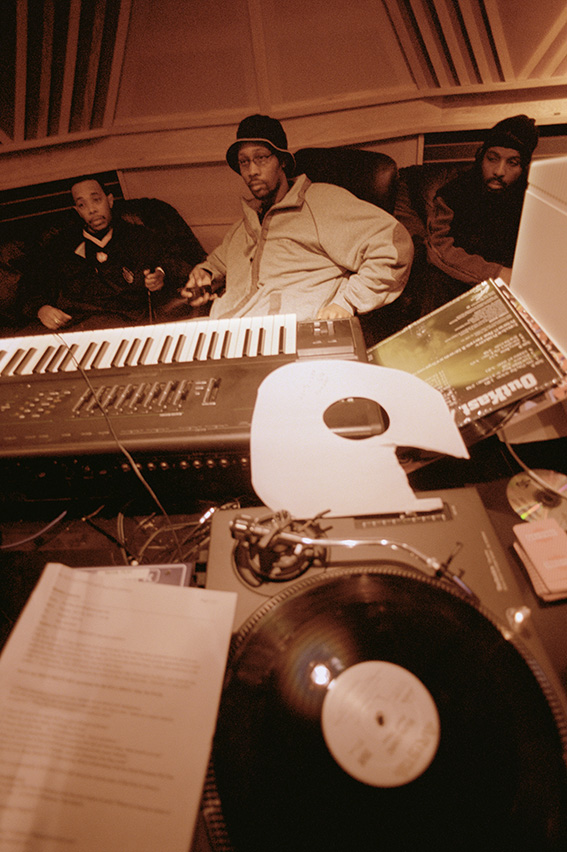
At its core, sampling involves the digital capture and manipulation of pre-existing audio. Producers use hardware samplers or software plugins to record snippets of music – be it a drum break, a vocal phrase, a melodic hook, or even ambient sounds. These captured 'samples' can then be pitched, chopped, looped, filtered, and layered to create entirely new musical compositions. The Akai MPC series, for instance, became legendary for its intuitive pad-based interface, allowing producers to trigger and sequence samples rhythmically, effectively building beats from scratch. Software like Ableton Live and Logic Pro have further streamlined this process, offering sophisticated tools for audio editing, time-stretching, and complex sample arrangement, enabling producers to craft intricate sonic collages that form the backbone of hip hop tracks.
📊 Key Facts & Numbers
The landmark lawsuit, Grand Upright Music, Ltd. v. Warner Bros. Records, Inc., established that unauthorized sampling constituted copyright infringement, leading to a significant increase in licensing fees. Before this ruling, sampling costs could be as low as a few hundred dollars; post-ruling, fees for popular samples could range from $10,000 to $50,000 or more, plus a percentage of royalties. By 2010, the global digital music market, heavily influenced by sampling-based genres, was valued at over $15 billion. Approximately 75% of tracks on the Billboard Hot 100 chart in the late 1990s featured samples, highlighting its pervasive influence.
👥 Key People & Organizations
Key figures in the history of sampling include DJ Kool Herc, widely credited as the 'father of hip hop' for his early use of breakbeats. Grandmaster Flash revolutionized DJing techniques, including scratching, which directly manipulated sampled sounds. Producers like DJ Premier, Pete Rock, and J Dilla are celebrated for their masterful and innovative use of sampling, often digging deep into obscure vinyl crates to unearth unique sounds. The Akai company's MPC series of samplers became an indispensable tool for generations of hip hop producers, including Kanye West and Dr. Dre. Legal battles involving artists like Gilbert Osemwen Osemwengie (aka Biz Markie) and labels like Warner Music Group have profoundly shaped the legal landscape surrounding sampling.
🌍 Cultural Impact & Influence
Sampling has been the engine driving hip hop's sonic identity, allowing the genre to absorb and recontextualize influences from virtually every musical tradition. It fostered a culture of crate-digging and musical archaeology, encouraging producers to explore diverse genres from jazz and funk to soul and world music. This practice has not only defined the sound of hip hop but has also influenced countless other genres, including electronic dance music, pop, and R&B. The creative reuse of existing sounds challenged traditional notions of authorship and originality, sparking debates about artistic integrity and intellectual property that continue to resonate across the music industry.
⚡ Current State & Latest Developments
The Akai MPC Live II is a current hardware sampler, and producers continue to utilize hardware samplers and software-based solutions for creative sampling. The rise of royalty-free sample packs and subscription services like Splice.com offers legal avenues for producers to access sounds, though many still engage in the art of 'clearing' samples from existing recordings. Artists like Kendrick Lamar and Tyler, the Creator have recently demonstrated sophisticated and often legally complex sampling techniques in their critically acclaimed albums, proving the enduring artistic relevance of the practice. The debate over fair use versus infringement continues to be a live issue, with ongoing legal challenges and industry discussions.
🤔 Controversies & Debates
The legality of sampling has been a persistent point of contention since the mid-1980s. The landmark case of Grand Upright Music, Ltd. v. Warner Bros. Records, Inc., which found Biz Markie liable for unauthorized sampling of Ray O'Brien's 'Alone Again (Naturally),' established a strict liability standard for copyright infringement, effectively ending the era of 'free' sampling. This ruling led to a significant increase in the cost and complexity of clearing samples, forcing many producers to either seek expensive licenses or avoid sampling altogether. Critics argue that these laws stifle creativity and disproportionately penalize artists in genres like hip hop that are built on sonic reappropriation, while copyright holders maintain that their intellectual property rights must be protected. The concept of 'fair use' remains a contested defense in many sampling-related lawsuits.
🔮 Future Outlook & Predictions
The future of sampling in hip hop will likely involve a continued negotiation between creative freedom and legal constraints. We may see a greater reliance on royalty-free sample libraries and AI-generated sounds that mimic the texture of sampled material, potentially blurring the lines of originality. Innovations in digital rights management and blockchain technology could offer new models for tracking and compensating sample usage, potentially creating more equitable systems for artists and rights holders. Furthermore, the increasing global reach of hip hop may lead to new legal interpretations and cultural norms around sampling in different jurisdictions. The artistic impulse to remix, recontextualize, and build upon existing sounds is unlikely to diminish, ensuring sampling remains a dynamic force in music creation.
💡 Practical Applications
Sampling's most direct application is in the creation of hip hop beats, where producers use sampled drum breaks, vocal snippets, and melodic loops to construct instrumental tracks. Beyond hip hop, sampling techniques are widely employed in electronic dance music, pop, film scoring, and experimental music. Producers use samplers to create unique sound effects, build atmospheric textures, and inject familiar sonic elements into new compositions. For example, the iconic 'Amen break' from The Winstons' song 'Amen, Brother' has been sampled in thousands of tracks across genres, demonstrating its versatility. Digital audio workstations (DAWs) like FL Studio and Pro Tools offer integrated sampling capabilities, making the process accessible to a broad range of musicians and sound designers.
Key Facts
- Category
- culture
- Type
- topic