
Contents
- 🌳 What Are Giant Sequoias?
- 📍 Where to Find These Giants
- 🚶♀️ Planning Your Visit: Trails & Access
- 💰 Fees & Permits: What to Expect
- ⭐ Visitor Experiences & Ratings
- 🆚 Sequoia vs. Redwood: Know the Difference
- 💡 Pro Tips for Sequoia Encounters
- 📞 Getting Started & Further Info
- Frequently Asked Questions
- Related Topics
Overview
Sequoias, towering giants native to the western United States, are not just remarkable for their size but also for their ecological and cultural significance. These trees can live for over 3,000 years, making them some of the oldest living organisms on Earth. Their unique adaptations to fire and their role in forest ecosystems highlight the intricate balance of nature. However, sequoias face threats from climate change and wildfires, raising urgent questions about conservation efforts. As we look to the future, the fate of these ancient trees reflects broader environmental challenges and the need for sustainable practices.
🌳 What Are Giant Sequoias?
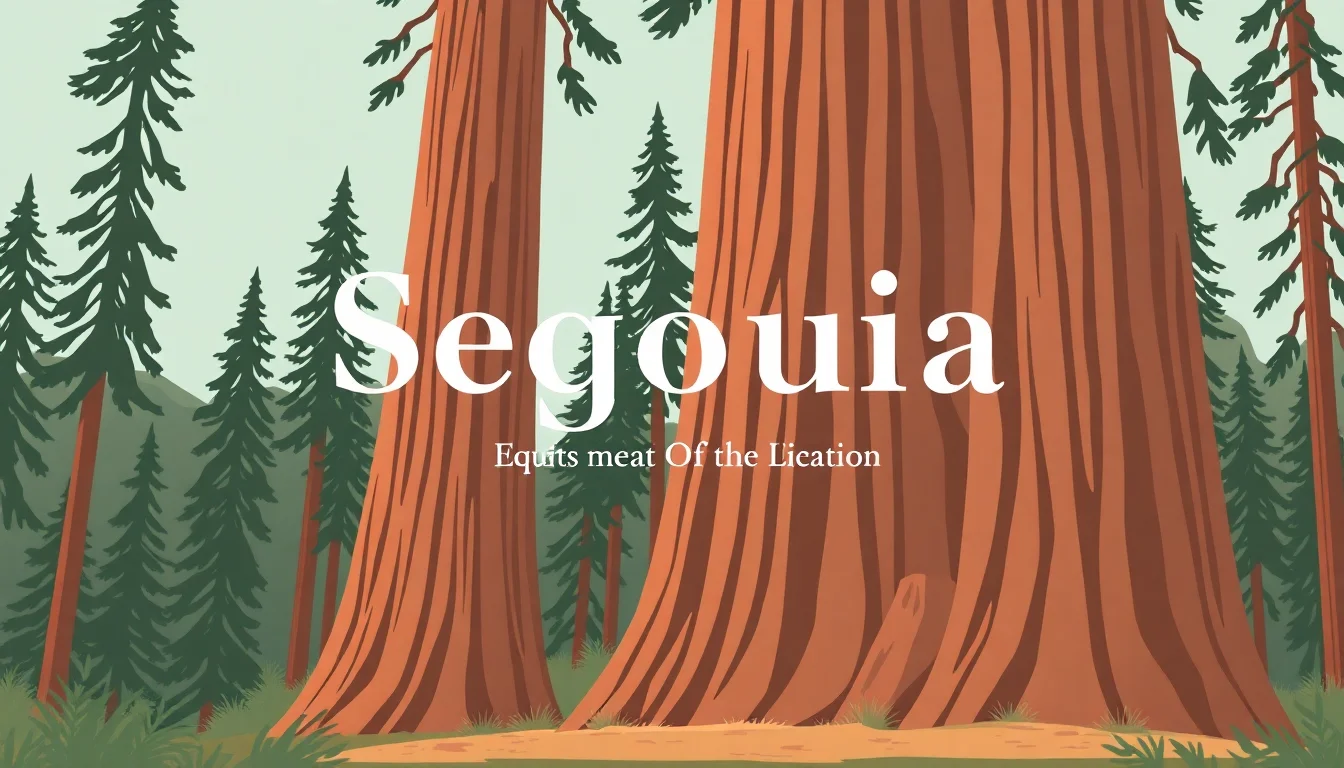
Giant Sequoias (Sequoiadendron giganteum) are not just trees; they are living monuments, the largest trees by volume on Earth. These ancient behemoths, native to the western slopes of the Sierra Nevada mountains in California, can live for over 3,000 years. Their immense size is matched only by their resilience, with thick, fibrous bark that protects them from fire and disease. Encountering a Giant Sequoia is a profound experience, offering a tangible connection to deep time and the raw power of nature. They are a cornerstone of the Sierra Nevada ecosystem, supporting a unique web of life.
📍 Where to Find These Giants
The primary natural habitat for Giant Sequoias is surprisingly limited, confined to about 70 groves scattered across 32,000 acres on the western slopes of the Sierra Nevada. Key locations include Sequoia National Park, Kings Canyon National Park, and Yosemite National Park (Mariposa Grove). Outside of these protected areas, you might find them in smaller, isolated groves or as cultivated specimens in arboretums, but the true majesty is in their native mountain environment. These groves are often at elevations between 4,000 and 8,000 feet.
🚶♀️ Planning Your Visit: Trails & Access
Visiting a Giant Sequoia grove typically involves hiking. Sequoia National Park offers iconic trails like the Congress Trail, which winds through the Giant Forest and past the General Sherman Tree, the world's largest tree by volume. Kings Canyon National Park provides access to the Grant Grove, home to the General Grant Tree. Yosemite's Mariposa Grove, recently restored, offers several trails of varying difficulty. Be prepared for uneven terrain and elevation changes; comfortable footwear is essential. Check park websites for current trail conditions and shuttle services, especially during peak season.
💰 Fees & Permits: What to Expect
Access to most national parks and their sequoia groves requires an entrance fee. For example, a 7-day vehicle pass for Sequoia and Kings Canyon National Parks is currently $35 (as of late 2023). Yosemite National Park has a similar fee structure. Some smaller groves or state parks might have separate fees or require permits for specific activities like overnight camping or backcountry access. Always verify the latest fee information on the official park websites before your visit to avoid surprises.
⭐ Visitor Experiences & Ratings
Visitor experiences are overwhelmingly positive, with ratings for parks like Sequoia National Park consistently high, often exceeding 4.5 stars on travel platforms. Reviewers frequently mention the awe-inspiring scale of the trees, the peaceful atmosphere of the groves, and the educational opportunities provided by park rangers. Common themes include feeling humbled by the ancient trees and appreciating the conservation efforts. Some visitors note that crowds can be significant during summer months, impacting the sense of tranquility.
🆚 Sequoia vs. Redwood: Know the Difference
It's crucial to distinguish Giant Sequoias (Sequoiadendron giganteum) from Coast Redwoods (Sequoia sempervirens). While both are magnificent conifers, Giant Sequoias are the largest by volume, characterized by their massive, tapering trunks and reddish-brown, fibrous bark. Coast Redwoods, found along the California coast, are the tallest trees on Earth, with more slender trunks and a different bark texture. Both belong to the cypress family, but their growth habits and habitats are distinct.
💡 Pro Tips for Sequoia Encounters
When visiting, remember these trees are ancient and fragile. Stay on marked trails to prevent soil compaction and damage to the root systems. Avoid touching or carving the bark, as this can harm the tree. Bring plenty of water, especially during warmer months, as facilities can be sparse in some groves. Consider visiting during the shoulder seasons (spring or fall) to avoid peak crowds and enjoy a more serene experience. Dawn and dusk offer magical light for photography and a chance to see wildlife.
📞 Getting Started & Further Info
To plan your trip, the best starting point is the official National Park Service website for Sequoia and Kings Canyon National Parks or Yosemite National Park. These sites offer detailed information on lodging, camping, road conditions, and ranger programs. For specific questions about grove access or conservation efforts, consider contacting the park's visitor centers directly. Many parks also have volunteer programs if you're interested in contributing to the preservation of these natural wonders.
Key Facts
- Year
- 2023
- Origin
- California, USA
- Category
- Nature & Environment
- Type
- Natural Phenomenon
Frequently Asked Questions
Are Giant Sequoias the tallest trees in the world?
No, Giant Sequoias are the largest trees by volume, but Coast Redwoods (Sequoia sempervirens) are the tallest. The General Sherman Tree, a Giant Sequoia, holds the record for the largest tree by volume, while Hyperion, a Coast Redwood, is the current record holder for height.
Can I touch a Giant Sequoia tree?
While park regulations generally don't prohibit touching, it's strongly discouraged. The bark is sensitive, and oils from human hands can damage it over time. Staying on trails also protects the delicate root systems, which are crucial for the tree's survival. Respecting these ancient beings is paramount.
What is the best time of year to visit Giant Sequoias?
The best times are typically late spring (May-June) and early fall (September-October). During these periods, you'll experience fewer crowds than in the summer, pleasant weather, and potentially beautiful autumn colors or spring wildflowers. Winter visits offer a unique, snow-dusted perspective but may involve road closures and limited access.
How old are the oldest Giant Sequoias?
The oldest Giant Sequoias are estimated to be over 3,000 years old. The General Sherman Tree is approximately 2,200 to 2,700 years old, while some other individuals in various groves are believed to be even older, though precise dating can be challenging.
Are there any Giant Sequoias outside of California?
Naturally occurring Giant Sequoias are found exclusively in about 70 groves on the western slopes of the Sierra Nevada in California. However, they have been planted in arboretums and parks in various parts of the world, though these specimens do not possess the same ecological significance or scale as those in their native habitat.
What animals live among the Giant Sequoias?
The groves are home to a variety of wildlife, including mule deer, black bears, squirrels, chipmunks, and numerous bird species like the Steller's jay and mountain chickadee. The unique microclimate and forest structure provide essential habitat for these creatures, playing a vital role in the Sierra Nevada biodiversity.