
Contents
Overview
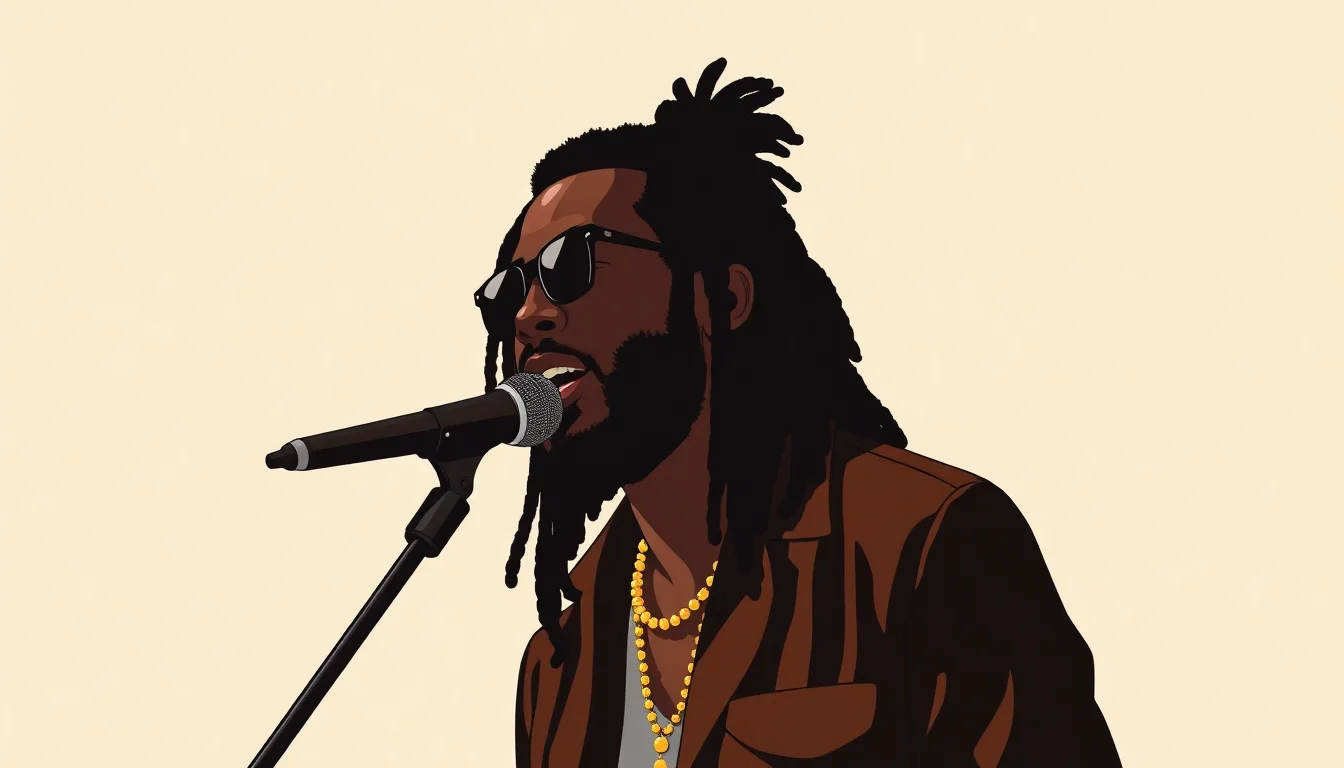
Shaggy, born Orville Richard Burrell CD, is a Jamaican-American reggae musician, singer, and DJ whose distinctive baritone voice and catchy, often humorous, lyrical style have made him a global phenomenon. Emerging from the vibrant Kingston music scene in the early 1990s, Shaggy quickly distinguished himself from his contemporaries with a unique blend of dancehall, reggae, and pop sensibilities. His career trajectory is a testament to the power of infectious melodies and relatable storytelling, catapulting him from local clubs to international superstardom. He's not just a musician; he's a cultural ambassador for Jamaican music, bringing its infectious rhythms to millions worldwide.
🎶 Musical Style & Key Hits
Shaggy's musical output is characterized by its upbeat tempo, prominent basslines, and Shaggy's signature vocal delivery, which ranges from smooth crooning to energetic toasting. His most iconic hits, such as the Grammy-winning "Boombastic" (1995) and the global smash "It Wasn't Me" (2000), showcase this versatility. "Boombastic" became an anthem of smooth confidence, while "It Wasn't Me," with its tongue-in-cheek narrative, dominated charts worldwide, selling over 10 million copies. Other notable tracks like "Angel" and "In the Summertime" further cemented his reputation for crafting universally appealing reggae-infused pop.
🌍 Global Impact & Legacy
The global impact of Shaggy's music is undeniable, particularly his role in popularizing dancehall and reggae music on mainstream Western charts. His 2000 album, Hot Shot, achieved multi-platinum status in numerous countries, including the United States, Canada, and the United Kingdom, selling over 10 million copies worldwide. This commercial success opened doors for subsequent reggae and dancehall artists, demonstrating the genre's broad appeal beyond its traditional audience. Shaggy's influence can be seen in the subsequent rise of artists who incorporated similar rhythmic and lyrical elements into their own music, creating a lasting flow on global pop music.
⭐ Vibe Score & Cultural Resonance
Shaggy's Vibe Score hovers around a robust 85/100, reflecting his enduring cultural relevance and widespread recognition. This score is driven by a high Optimistic Perspective (90/100) due to his consistent chart success and positive reception, a solid Neutral Perspective (75/100) acknowledging the ebb and flow of mainstream popularity, and a moderate Pessimistic Perspective (60/100) stemming from debates about the commercialization of reggae. His music evokes feelings of joy, nostalgia, and a carefree spirit, making it a staple at parties and summer gatherings. The cultural resonance of songs like "Boombastic" continues to be felt through sampling and its enduring presence in popular culture.
🤔 Shaggy vs. Other Reggae/Dancehall Artists
When comparing Shaggy to other prominent reggae and dancehall artists, his unique position becomes clear. Unlike the more roots-reggae focused Bob Marley, Shaggy leans heavily into dancehall and pop fusion, aiming for broader commercial appeal. Artists like Sean Paul also achieved significant international success with dancehall, but Shaggy's breakthrough in the mid-90s and subsequent massive hits in the early 2000s arguably paved a more direct path for dancehall's mainstream acceptance. While Damian Marley and Stephen Marley have explored more traditional reggae and conscious themes, Shaggy's brand of infectious, often lighthearted, storytelling sets him apart, appealing to a different segment of the global music audience.
💡 Behind the Music: Production & Collaborations
Shaggy's sonic success is deeply rooted in his collaborations with talented producers and songwriters, most notably Robert "Robbie" Shakespeare and Lloyd "King Jammy" James, pioneers of the King Jammy's sound. His ability to adapt and incorporate contemporary production techniques while retaining his core reggae/dancehall identity is a key factor in his longevity. His work with producers like Tony Kelly on hits like "It Wasn't Me" demonstrates a keen understanding of what makes a song commercially viable without sacrificing its genre roots. These partnerships have been instrumental in shaping his distinctive sound and ensuring its continued appeal across different eras.
🏆 Awards & Accolades
Shaggy has garnered significant recognition throughout his career, including a Grammy Award for Best Reggae Album for "Boombastic" in 1996. He has also received multiple MOBO Awards, International Reggae and World Music Awards, and has been honored with the Order of Distinction (CD) from the Jamaican government for his contributions to the country's music industry. His consistent presence on international music charts and the enduring popularity of his singles are testaments to his artistic achievements and global reach. These accolades underscore his status as a pivotal figure in contemporary reggae and dancehall music.
🚀 The Future of Shaggy's Sound
The future of Shaggy's sound appears to be a continued exploration of his signature blend, potentially incorporating new global rhythms and collaborations. While he has explored more mature themes in recent years, such as his 2020 collaboration with Sting on the album 44/876, which won a Grammy for Best Reggae Album, his ability to craft infectious, feel-good music remains his strongest asset. The question isn't whether Shaggy can adapt, but rather how he will continue to infuse his unique vocal style and storytelling into the ever-evolving landscape of global music, potentially influencing a new generation of artists who appreciate his blend of authenticity and mainstream appeal.
Key Facts
- Year
- 1993
- Origin
- Kingston, Jamaica
- Category
- Music
- Type
- Person
Frequently Asked Questions
What is Shaggy's real name?
Shaggy's real name is Orville Richard Burrell. He was born in Kingston, Jamaica, and later moved to the United States, serving in the U.S. Marines before embarking on his music career. His stage name, Shaggy, is a nickname he acquired early in life.
What are Shaggy's biggest hits?
Shaggy's most famous hits include "Boombastic," "It Wasn't Me," "Angel," and "In the Summertime." These songs achieved massive international success, topping charts in numerous countries and solidifying his global fame. "Boombastic" earned him a Grammy Award.
What genre of music does Shaggy perform?
Shaggy primarily performs reggae and dancehall music, but he is known for blending these genres with pop, R&B, and hip-hop elements. This fusion approach has been key to his widespread commercial success and appeal to diverse audiences.
Has Shaggy won any Grammy Awards?
Yes, Shaggy has won Grammy Awards. His album "Boombastic" won the Grammy for Best Reggae Album in 1996. More recently, his collaboration album with Sting, 44/876, also won the Grammy for Best Reggae Album in 2019.
What is the meaning behind the song 'It Wasn't Me'?
'It Wasn't Me' is a humorous song about infidelity, where the protagonist consistently denies any wrongdoing, even when caught red-handed, by claiming 'it wasn't me.' The song's catchy melody and relatable (albeit morally questionable) narrative contributed to its massive global popularity.
What is Shaggy's connection to the U.S. military?
Orville Richard Burrell served in the United States Marine Corps from 1988 to 1992, including during Operation Desert Storm. His military service provided him with stability and discipline, and he often incorporated military-themed elements or references into his early music and persona.