
Contents
Overview
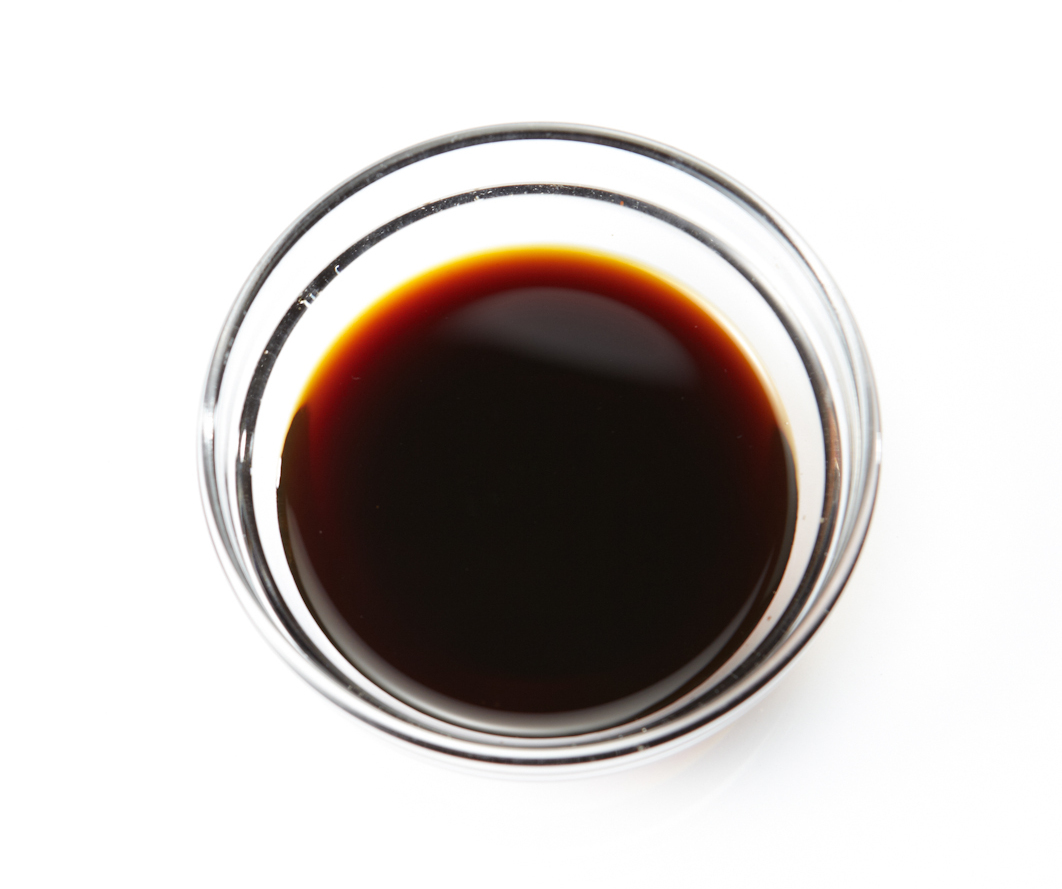
Soy sauce, a liquid condiment with roots stretching back over two millennia to ancient China, is a cornerstone of East and Southeast Asian cuisine and a ubiquitous global flavor enhancer. Traditionally crafted from fermented soybeans, roasted grain, brine, and specific molds like Aspergillus oryzae, it delivers a potent combination of saltiness and profound umami. Its versatility extends from a dipping sauce to a foundational ingredient in marinades, stir-fries, and countless other dishes. The global soy sauce market, valued at over $40 billion USD annually, underscores its immense economic and culinary significance, with production and consumption spanning continents and diverse culinary traditions. Despite its ancient origins, innovation continues, with new brewing techniques and flavor profiles emerging, ensuring soy sauce's enduring presence in kitchens worldwide.
🎵 Origins & History
Soy sauce emerged as a byproduct of fermenting soybeans to create miso-like pastes, with the salty liquid collected and used as a seasoning. Early forms were likely coarser and less refined than today's iterations. Over centuries, brewing techniques evolved, leading to the development of distinct styles like tamari in Japan, which traditionally uses more soybean and less wheat. Its production and use spread across East Asia. Its introduction to the West marked the beginning of its global journey. Large-scale commercial production cemented its status as a pantry staple worldwide.
⚙️ How It Works
The creation of soy sauce is a complex biochemical process involving fermentation, typically over several months to a year or more. High-protein soybeans are steamed and mixed with roasted, crushed grains (often wheat, but sometimes barley or rice), and then inoculated with a mold culture, usually Aspergillus oryzae or Aspergillus sojae. This mixture, known as koji, is then submerged in a brine solution (salt and water) in large vats. Over time, enzymes produced by the mold break down the proteins in soybeans and grains into amino acids (creating umami) and carbohydrates into sugars. Lactic acid bacteria and yeasts further ferment these compounds, developing the characteristic aroma, flavor, and color. The resulting liquid is then pressed, pasteurized, and bottled. Different brewing methods, fermentation times, and ingredient ratios result in the wide variety of soy sauces available, from light and salty to dark and complex.
📊 Key Facts & Numbers
The United States is the largest importer of soy sauce. Over 90% of the world's soybeans are produced in just four countries: Brazil, Argentina, the United States, and China, highlighting the agricultural backbone of this condiment.
👥 Key People & Organizations
Key figures in the history of soy sauce are often tied to the companies that commercialized and popularized it. Soichiro Honda, while primarily known for Honda Motor Company, was also involved in early food processing ventures that touched upon fermentation technologies. Morishige Nakano, founder of Kikkoman in 1917, was instrumental in standardizing and mass-producing soy sauce, transforming it from a regional product into a global brand. In China, numerous family-run businesses, some operating for centuries, like Lee Kum Kee (founded 1888), have maintained traditional brewing methods and achieved significant international reach. Organizations like the Japan Soy Sauce Research Institute play a crucial role in maintaining quality standards and promoting research into soy sauce production and its health benefits.
🌍 Cultural Impact & Influence
Soy sauce's influence extends far beyond the kitchen, permeating global culture. It is an indispensable ingredient in iconic dishes like sushi, ramen, and stir-fries, shaping the culinary identities of entire regions. The umami flavor, first scientifically identified by Japanese chemist Kikunae Ikeda in 1908, has become a sought-after taste profile worldwide, influencing the development of savory snacks, processed foods, and even vegetarian meat alternatives. The visual aesthetic of dark, glossy soy sauce drizzled over food has become a recognizable culinary trope in media and advertising. Furthermore, the global spread of Japanese and Chinese cuisine, heavily reliant on soy sauce, has fostered a greater appreciation for fermented foods and complex flavor profiles, contributing to a broader shift in Western palates over the past few decades.
⚡ Current State & Latest Developments
The soy sauce industry is currently experiencing a surge in interest in artisanal and traditionally brewed varieties, moving beyond the mass-produced, chemically produced alternatives. Consumers are increasingly seeking out 'nama shoyu' (unpasteurized soy sauce) and 'muroka shoyu' (unfiltered soy sauce) for their more complex flavors and perceived health benefits. Companies like Marukome in Japan are experimenting with new fermentation techniques and ingredient combinations, including gluten-free options using rice or sorghum. The rise of plant-based diets has also boosted demand, as soy sauce offers a readily available source of umami for vegan and vegetarian cooking.
🤔 Controversies & Debates
The production of soy sauce is not without its controversies. The primary debate centers on the distinction between traditionally brewed soy sauce and chemically hydrolyzed vegetable protein (HVP) sauces. HVP sauces, produced rapidly using acid hydrolysis, often contain high levels of sodium and potentially harmful byproducts like 3-MCPD, which has raised health concerns and regulatory scrutiny in regions like the European Union. Critics argue that many mass-market 'soy sauces' are mislabeled, misleading consumers who believe they are purchasing a fermented product. Another point of contention is the high sodium content in most soy sauces, leading to ongoing efforts to develop lower-sodium versions without sacrificing flavor. The sustainability of soybean farming, including deforestation and monoculture practices, also casts a shadow over the industry.
🔮 Future Outlook & Predictions
The future of soy sauce likely involves a continued bifurcation: a growing market for high-quality, traditionally brewed artisanal sauces and a persistent demand for affordable, mass-produced options. Innovation will focus on enhancing umami profiles, reducing sodium content, and developing novel fermentation methods. We can expect to see more specialized soy sauces tailored to specific culinary applications, perhaps even single-origin or terroir-driven varieties. The integration of advanced biotechnology, such as precision fermentation and AI-driven flavor analysis, could lead to more consistent and customized brewing processes. Furthermore, as global palates continue to evolve, soy sauce may find its way into entirely new culinary contexts, potentially becoming a key ingredient in Western-style sauces and condiments, much like sriracha has in recent years.
💡 Practical Applications
Soy sauce's applications are incredibly diverse, extending far beyond its role as a simple dipping condiment. It is a fundamental component in marinades for meats and vegetables, tenderizing and infusing them with flavor. As a base for stir-fry sauces, it provides essential saltiness and depth. In soups and broths, it adds a savory foundation. It's used in salad dressings, glazes, and even baked goods for a subtle savory note. For home cooks, it's a go-to for deglazing pans, creating rich pan sauces. In the food industry, it's an ingredient in seasonings for snacks, processed meats, and vegetarian alternatives. Its umami-rich profile makes it a valuable tool for chefs seeking to enhance the savory characteristics of any dish, from a simple omelet to a complex braised dish.
Key Facts
- Category
- culture
- Type
- topic