
Contents
- ⭐ Overview: More Than Just a Painting
- 📍 Location & Access: Where to See It
- 🗓️ When Van Gogh Painted It: A Moment in Time
- 🎨 The Artistry: Technique and Emotion
- 🤔 What's Real, What's Imagined?
- 🏆 Cultural Resonance: A Global Icon
- 💡 Similar Masterpieces: Beyond the Starry Night
- 🧐 Van Gogh's Legacy: The Man Behind the Masterpiece
- Frequently Asked Questions
- Related Topics
Overview
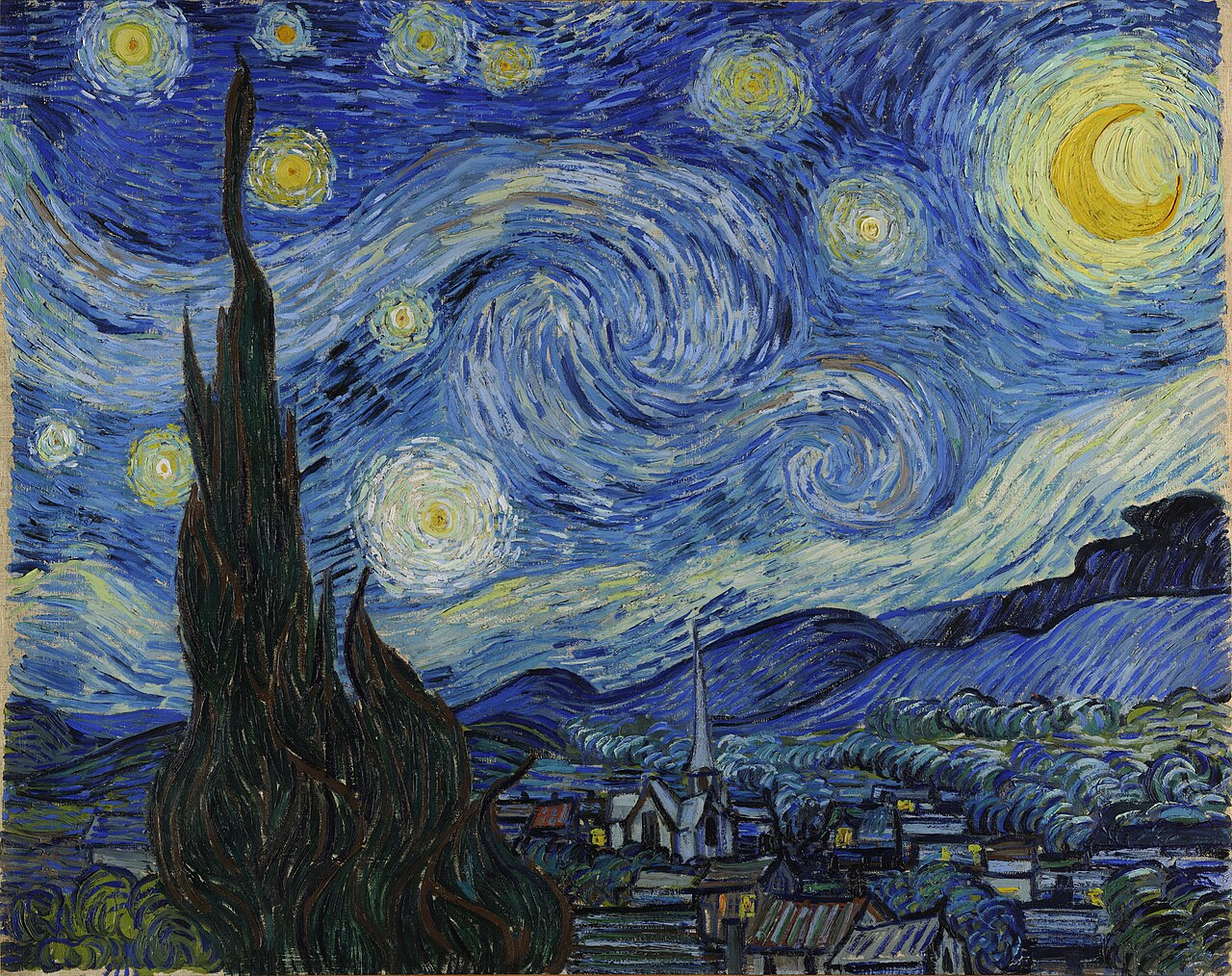
The Starry Night isn't just a painting; it's a cultural touchstone, a swirling vortex of color and emotion that has captivated audiences for over a century. Created by Vincent van Gogh in June 1889, this oil-on-canvas masterpiece offers a glimpse into the artist's turbulent inner world, filtered through the dramatic Provençal sky. It's a work that transcends mere representation, inviting viewers to feel the wind, the light, and the profound solitude of its creation. Its enduring appeal lies in its raw emotional power and its revolutionary approach to depicting the night sky, making it a cornerstone of modern art.
📍 Location & Access: Where to See It
Currently, The Starry Night resides in the permanent collection of the Museum of Modern Art (MoMA) in New York City. You can find it on display in the painting and sculpture galleries, typically on the sixth floor. MoMA is located at 11 West 53rd Street, Manhattan. The museum is generally open daily, though specific hours can vary, so it's always best to check their official website before your visit. Admission fees apply, and booking tickets in advance is highly recommended, especially during peak seasons, to avoid long queues and ensure entry.
🗓️ When Van Gogh Painted It: A Moment in Time
Van Gogh painted The Starry Night in June 1889 while he was a patient at the asylum in Saint-Rémy-de-Provence, France. This period followed a severe mental health crisis, including the infamous ear-cutting incident. The painting captures the view from his east-facing window just before sunrise. However, it's crucial to understand that this was not a direct, plein-air transcription of reality; Van Gogh infused the scene with his own emotional interpretation and memories, notably adding the idealized village which was not visible from his window.
🎨 The Artistry: Technique and Emotion
The Starry Night is a masterclass in Post-Impressionism, showcasing Van Gogh's distinctive impasto technique, where paint is applied thickly, creating texture and depth. The swirling brushstrokes of blues, yellows, and whites imbue the canvas with a dynamic, almost alive quality. The prominent cypress tree, often interpreted as a symbol of death and connection between earth and sky, dominates the left foreground, while the celestial bodies—the moon and stars—are rendered with an almost explosive luminescence. This expressive use of color and form was a radical departure from academic traditions, prioritizing emotional truth over photographic accuracy.
🤔 What's Real, What's Imagined?
While the view from Van Gogh's asylum window served as the foundation, The Starry Night is a composite of observation and imagination. The dramatic, flame-like cypress tree, for instance, was a common feature in the landscape but its exaggerated scale and prominence are artistic choices. The village, nestled in the valley, is largely invented, drawing perhaps from memories of his Dutch homeland rather than the actual Provençal surroundings. This blend of the observed and the imagined is key to the painting's profound emotional impact, creating a scene that feels both familiar and otherworldly.
🏆 Cultural Resonance: A Global Icon
The Starry Night has achieved an almost unparalleled level of global recognition, often cited as one of the most famous paintings in Western art. Its image is ubiquitous, appearing on everything from posters and mugs to countless digital reproductions. This widespread dissemination has cemented its status as an icon, influencing subsequent generations of artists and permeating popular culture. Its Vibe Score, a measure of its cultural energy and impact, is exceptionally high, reflecting its deep penetration into the collective consciousness.
💡 Similar Masterpieces: Beyond the Starry Night
For those captivated by The Starry Night, exploring other works by Van Gogh is a natural next step. Consider his equally iconic Sunflowers series, which showcases his mastery of color and light in a different context. For a broader understanding of the Post-Impressionist movement, works by Paul Cézanne and Paul Gauguin offer complementary perspectives on artistic innovation during the late 19th century. If you're drawn to expressive night scenes, you might also appreciate the atmospheric urban landscapes of Edvard Munch's 'The Scream', though its emotional tenor is markedly different.
🧐 Van Gogh's Legacy: The Man Behind the Masterpiece
Vincent van Gogh's life was as dramatic and complex as his art. His prolific output, particularly in the last few years of his life, produced over 2,100 artworks, including around 860 oil paintings. Despite his immense talent, he achieved little recognition during his lifetime, selling only one painting. His struggles with mental illness, documented in his extensive correspondence with his brother Theo van Gogh, add a poignant layer to his artistic legacy. The enduring fascination with Van Gogh stems not just from his revolutionary technique but from the raw humanity and emotional vulnerability evident in every brushstroke.
Key Facts
- Year
- 1889
- Origin
- Saint-Rémy-de-Provence, France
- Category
- Art History
- Type
- Artwork
Frequently Asked Questions
Is The Starry Night a realistic depiction of the view from Van Gogh's window?
No, it is a combination of observation and imagination. While the general view from his asylum window in Saint-Rémy-de-Provence inspired the painting, Van Gogh added elements like the idealized village and exaggerated the cypress tree. The swirling, dynamic sky is also a highly expressive interpretation rather than a literal depiction.
Where can I see The Starry Night?
The Starry Night is permanently housed at the Museum of Modern Art (MoMA) in New York City. It is a key piece in their collection and is usually on display in the painting and sculpture galleries.
What does the cypress tree in The Starry Night symbolize?
The cypress tree is often interpreted symbolically in art history. In Van Gogh's work, it is frequently associated with death and mourning, but also with a connection between the earth and the heavens, reaching upwards towards the sky. Its prominent placement suggests significant personal meaning for the artist.
When was The Starry Night painted?
Vincent van Gogh painted The Starry Night in June 1889. He created it during his voluntary stay at the asylum in Saint-Rémy-de-Provence, France, following a period of mental distress.
Why is The Starry Night so famous?
Its fame stems from a confluence of factors: Van Gogh's unique and expressive style, the painting's emotional intensity, its compelling composition, and its widespread reproduction in popular culture. It has become an icon of modern art, instantly recognizable and deeply resonant with viewers worldwide.
What art movement does The Starry Night belong to?
The Starry Night is a prime example of Post-Impressionism. While influenced by Impressionism, Van Gogh and other Post-Impressionists moved beyond capturing fleeting visual impressions to express emotions, ideas, and subjective experiences through bolder colors and more structured or symbolic forms.