
Contents
Overview
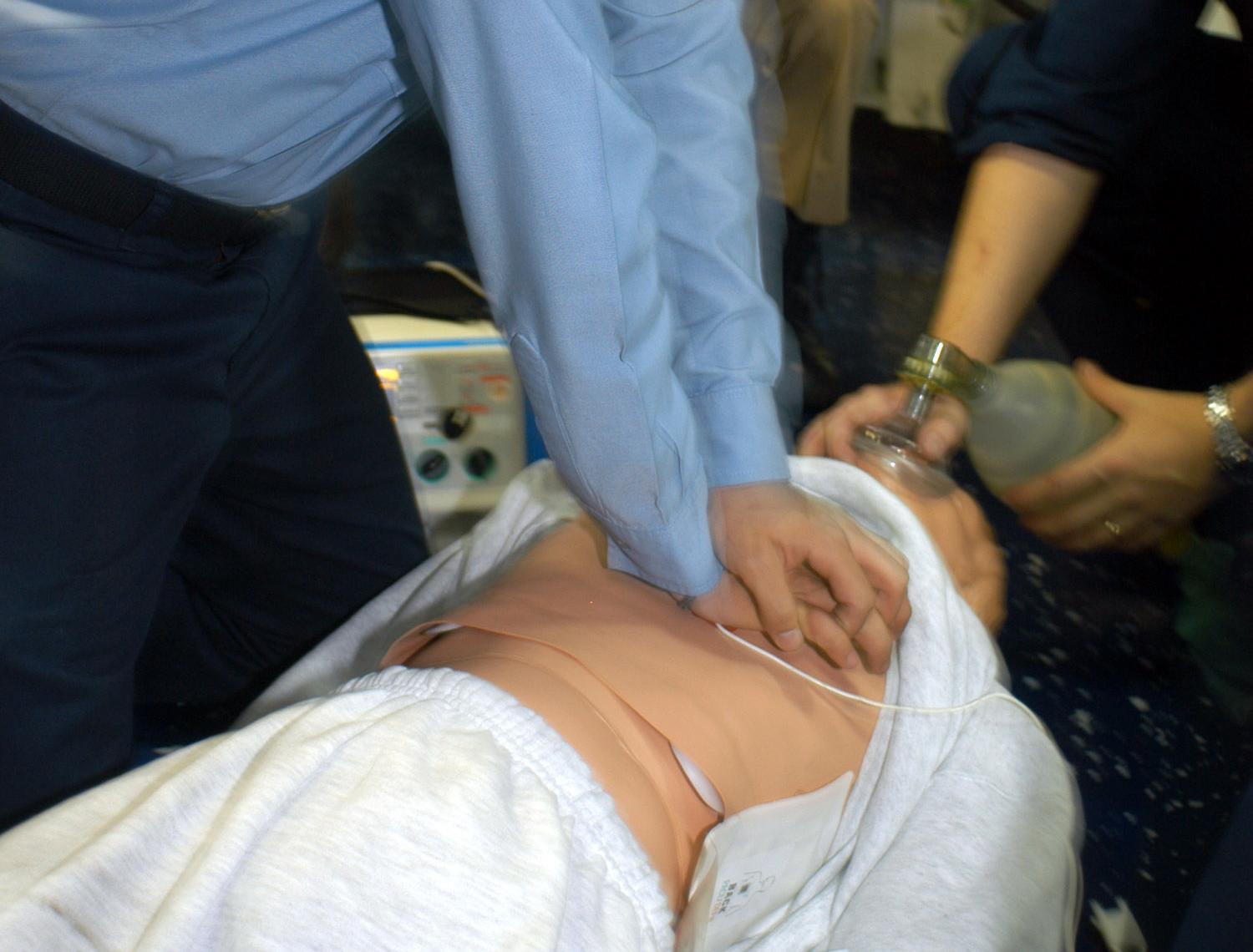
The understanding of sudden cardiac arrest, or SCA, has evolved significantly, though its devastating effects have been observed for millennia. Early medical texts, such as those from ancient Egypt and Ancient Greece, described sudden deaths that align with modern SCA, often attributed to divine intervention or unknown causes. The concept of the heart as a pump and the role of its electrical activity began to crystallize in the 17th and 18th centuries with figures like William Harvey describing blood circulation. However, it wasn't until the 20th century that the specific mechanisms of SCA, particularly ventricular fibrillation, were identified. The development of defibrillation in the 1940s marked a pivotal moment, offering the first effective treatment for this previously universally fatal condition. The subsequent widespread adoption of CPR in the 1960s, largely popularized by the American Heart Association, further transformed the approach to out-of-hospital cardiac arrest.
⚙️ How It Works
At its core, sudden cardiac arrest is a malfunction of the heart's electrical system, distinct from a heart attack which is a circulation problem. The heart's natural pacemaker, the sinoatrial node, generates electrical impulses that coordinate the rhythmic contraction of the heart muscle. In SCA, this organized electrical activity devolves into chaotic, rapid, and ineffective signals, most commonly ventricular fibrillation (VF). Less commonly, SCA can be caused by pulseless ventricular tachycardia (pVT), asystole (complete absence of electrical activity), or pulseless electrical activity (PEA), where electrical activity is present but no mechanical contraction occurs. The lack of blood flow to the brain causes unconsciousness within seconds, and irreversible brain damage begins within 4-6 minutes, highlighting the critical importance of immediate intervention.
📊 Key Facts & Numbers
Sudden Cardiac Arrest is a leading cause of death globally, with staggering statistics underscoring its impact. In the United States alone, over 356,000 out-of-hospital cardiac arrests (OHCA) occur annually, with a survival rate of only about 10.4% according to 2021 data from the American Heart Association. Globally, estimates suggest over 7 million people die from SCA each year. The incidence of SCA increases with age, with a median age of 60-70 years, but it can strike at any age, including in seemingly healthy young athletes, accounting for approximately 1-3% of all sudden deaths in individuals under 35. Public access to AEDs and bystander CPR significantly improve survival rates; for every minute delay in defibrillation, the chance of survival decreases by 7-10%. Only about 40% of OHCA victims receive bystander CPR, a number that advocacy groups like the Sudden Cardiac Arrest Foundation are actively working to increase.
👥 Key People & Organizations
The fight against sudden cardiac arrest has been shaped by numerous dedicated individuals and organizations. The development and popularization of CPR owe much to Peter Safar and William Kouwenhoven, who in the 1960s established the techniques for mouth-to-mouth resuscitation and external chest compressions, respectively. Organizations like the American Heart Association (AHA) and the European Resuscitation Council (ERC) are instrumental in setting guidelines for resuscitation, training millions in life-saving skills, and funding critical research. The Sudden Cardiac Arrest Foundation focuses on public awareness and advocacy, while companies like Philips and Zoll Medical are key players in developing and distributing AEDs and other emergency medical devices.
🌍 Cultural Impact & Influence
Sudden Cardiac Arrest has left an indelible mark on cultural consciousness, often appearing in media as a dramatic and sudden event. The image of someone clutching their chest and collapsing is a common trope in film and television, though often conflated with a heart attack. High-profile cases of SCA, particularly involving athletes like Christian Eriksen during UEFA Euro 2020 or Damar Hamlin during an NFL game, bring the condition into sharp public focus, sparking discussions about emergency preparedness and athlete screening. These events often lead to a temporary surge in interest in CPR training and AED availability. Public health campaigns by organizations like the American Heart Association have worked to demystify SCA, emphasizing that it can happen to anyone and that bystander intervention is crucial, shifting cultural perceptions from helplessness to empowerment.
⚡ Current State & Latest Developments
The landscape of sudden cardiac arrest management is continuously evolving, driven by technological advancements and refined clinical protocols. Current efforts focus on improving the 'Chain of Survival', a concept championed by the American Heart Association that outlines critical steps for improving SCA outcomes. This includes faster recognition of SCA, immediate CPR, rapid defibrillation, effective advanced life support, and post-cardiac arrest care. Wearable technologies, such as Apple Watch and Fitbit, are increasingly incorporating ECG capabilities, potentially offering early detection of underlying arrhythmias in some individuals. Research in 2023-2024 is exploring advanced cooling therapies (therapeutic hypothermia) and targeted temperature management post-resuscitation to minimize brain injury, as well as the use of ECMO for refractory cases of cardiac arrest.
🤔 Controversies & Debates
Despite advancements, several controversies and debates persist within the field of sudden cardiac arrest. One significant area of contention revolves around the optimal duration and depth of CPR compressions, with ongoing debates about continuous chest compressions versus interrupted compressions for ventilation. The role of universal AED placement in public spaces is widely supported, but the cost-effectiveness and maintenance of these devices remain points of discussion for municipalities and organizations. Furthermore, ethical dilemmas surrounding prognostication and withdrawal of life support for patients with poor neurological outcomes after prolonged resuscitation are complex and frequently debated among medical professionals and families. The screening of young athletes for underlying cardiac conditions, such as hypertrophic cardiomyopathy, also sparks debate regarding the balance between identifying at-risk individuals and avoiding false positives or unnecessary restrictions on participation.
🔮 Future Outlook & Predictions
The future of sudden cardiac arrest management is poised for significant transformation, driven by personalized medicine and advanced technology. We can anticipate more sophisticated wearable technology capable of continuous cardiac monitoring and even predictive analytics for high-risk individuals, potentially alerting users or emergency services to impending events. The integration of AI and machine learning into EMS dispatch systems
Key Facts
- Category
- science
- Type
- topic