
Contents
- 🎵 Introduction to Tabla
- 📍 Origins and History
- 🎶 Role in Indian Classical Music
- 🕺🏽 Tabla in Dance and Devotional Traditions
- 🎸 Learning to Play the Tabla
- 👂 Comparing Tabla with Other Percussion Instruments
- 💰 Pricing and Availability of Tabla
- 📚 Resources for Further Learning
- 🎧 Listening to Tabla Music
- 📊 Conclusion and Next Steps
- Frequently Asked Questions
- Related Topics
Overview
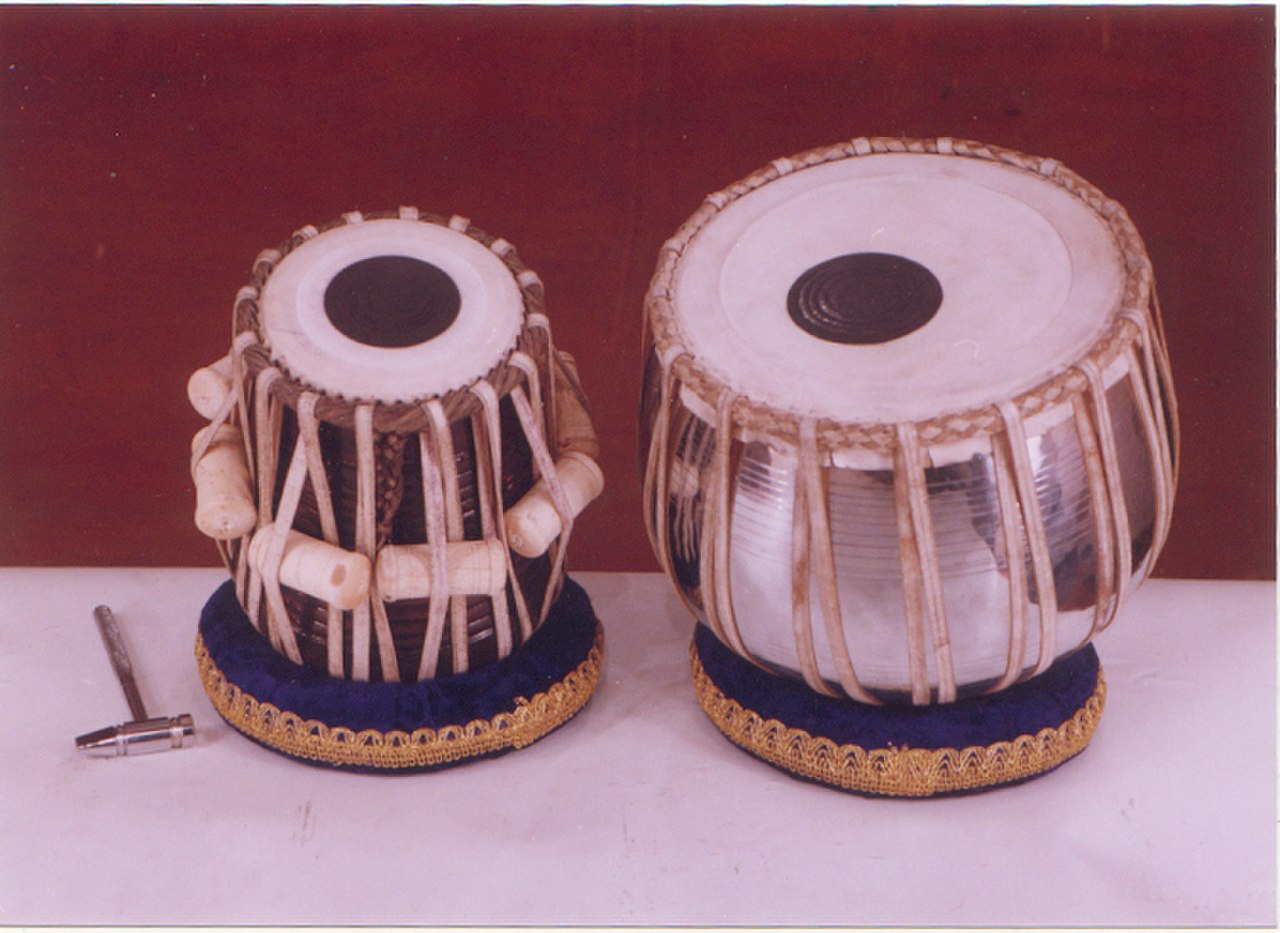
The tabla is a pair of hand drums that have been the cornerstone of Indian classical music for centuries. Originating in the 13th century, the tabla has evolved over time, influenced by various regional and cultural traditions. With a vibe rating of 8, the tabla is an integral part of Indian cultural heritage, with a rich history and a unique playing technique that requires immense skill and dedication. The instrument consists of a dayan (right-hand drum) and a bayan (left-hand drum), each producing a distinct sound. The tabla has been shaped by legendary musicians such as Zakir Hussain and Ravi Shankar, who have helped popularize the instrument globally. As a symbol of Indian cultural identity, the tabla continues to inspire new generations of musicians and music enthusiasts, with its influence extending beyond traditional Indian music to fusion and contemporary genres.
🎵 Introduction to Tabla
The tabla is a pair of hand drums that has been an integral part of Indian classical music for centuries. As a principal percussion instrument in Hindustani classical music, the tabla is played solo, as an accompaniment with other instruments and vocals, or as a part of larger ensembles. Its rich, resonant sound has captivated audiences in India, Bangladesh, Afghanistan, Pakistan, Nepal, and Sri Lanka. To learn more about the cultural context of the tabla, visit the Indian subcontinent page. For a deeper understanding of Indian classical music, explore the Carnatic music tradition as well.
📍 Origins and History
The origins of the tabla date back to the 18th century, when it emerged as a distinct instrument in the Indian subcontinent. Over time, the tabla has evolved into a sophisticated instrument with a unique sound and playing style. To understand the historical context of the tabla, visit the Mughal Empire page, which played a significant role in shaping Indian classical music. The Sikhism and Hinduism traditions have also influenced the development of the tabla, particularly in devotional music and bhajan singing.
🎶 Role in Indian Classical Music
In Indian classical music, the tabla is an indispensable instrument, providing the rhythmic foundation for various genres, including khyal and dhrupad. The tabla is often played in conjunction with other instruments, such as the sitar and tanpura, to create complex and nuanced musical compositions. For a deeper understanding of Indian classical music, explore the raga system and its relationship with the tabla. Visit the Indian classical music page for more information on this rich and diverse tradition.
🕺🏽 Tabla in Dance and Devotional Traditions
The tabla is not only an essential instrument in Indian classical music but also features prominently in devotional traditions, such as bhakti and Sufism. In these contexts, the tabla is often played during kirtan and qawwali performances, which are characterized by their intense emotional and spiritual expression. The tabla is also used in traditional dance forms, such as Kathak, which combines intricate footwork with complex rhythmic patterns. To learn more about these devotional traditions, visit the bhajan and kirtan pages.
🎸 Learning to Play the Tabla
For those interested in learning to play the tabla, there are various resources available, including online tutorials and classes with experienced teachers. It's essential to start with the basics, such as understanding the different parts of the tabla and developing proper hand technique. As you progress, you can explore various tala and laya patterns, which are fundamental to Indian classical music. Visit the Tabla lessons page for more information on getting started with this incredible instrument. You can also explore the pakhawaj and mridangam pages for a deeper understanding of Indian percussion instruments.
👂 Comparing Tabla with Other Percussion Instruments
Compared to other percussion instruments, such as the pakhawaj and mridangam, the tabla has a unique sound and playing style. The tabla is known for its clarity and precision, making it an ideal instrument for complex rhythmic compositions. While the pakhawaj and mridangam are also used in Indian classical music, they have distinct characteristics and are often used in different contexts. Visit the Indian percussion page for a comprehensive overview of the various instruments used in Indian classical music. You can also explore the Carnatic percussion tradition for a deeper understanding of the differences between Hindustani and Carnatic music.
💰 Pricing and Availability of Tabla
For those interested in purchasing a tabla, there are various options available, ranging from affordable, beginner-level instruments to high-end, professional-grade tablas. The price of a tabla can vary depending on the quality of the instrument, the materials used, and the craftsmanship. On average, a good-quality tabla can cost anywhere from $200 to $1,000. Visit the Tabla store page for more information on purchasing a tabla and exploring the various options available. You can also explore the Indian music store page for a wider range of Indian instruments and accessories.
📚 Resources for Further Learning
There are numerous resources available for those interested in learning more about the tabla and Indian classical music. Online platforms, such as YouTube and Spotify, offer a vast array of videos, tutorials, and music recordings featuring the tabla. You can also explore the Indian classical music forum page, which provides a community-driven space for discussion and learning. For a deeper understanding of the cultural context of the tabla, visit the Indian culture page, which explores the rich and diverse heritage of India.
🎧 Listening to Tabla Music
Listening to tabla music can be a mesmerizing experience, with its complex rhythms and nuanced emotional expression. Some notable tabla players include Zakir Hussain and Alla Rakha, who have helped to popularize the instrument globally. You can explore their music on platforms like Spotify and Apple Music. Visit the Tabla music page for more information on the various genres and styles of tabla music. You can also explore the Indian classical music playlist page for a curated selection of Indian classical music recordings.
📊 Conclusion and Next Steps
In conclusion, the tabla is an incredible instrument that has been at the heart of Indian classical music for centuries. With its rich, resonant sound and complex rhythmic patterns, the tabla is an essential part of various devotional traditions and classical music genres. Whether you're a seasoned musician or just starting out, the tabla is an instrument that can inspire and captivate you. To get started, visit the Tabla lessons page, which provides a comprehensive guide to learning the basics of the tabla. You can also explore the Indian classical music page for a deeper understanding of the cultural context and historical significance of the tabla.
Key Facts
- Year
- 1200
- Origin
- India
- Category
- Music, Indian Classical, Percussion
- Type
- Musical Instrument
Frequently Asked Questions
What is the origin of the tabla?
The tabla originated in the Indian subcontinent in the 18th century. It is believed to have evolved from the pakhawaj and other ancient Indian drums. The tabla has since become an integral part of Indian classical music, particularly in the Hindustani tradition. For more information on the history of the tabla, visit the Mughal Empire page, which played a significant role in shaping Indian classical music. You can also explore the Sikhism and Hinduism pages for a deeper understanding of the cultural context of the tabla.
What is the role of the tabla in Indian classical music?
The tabla is a principal percussion instrument in Indian classical music, particularly in the Hindustani tradition. It provides the rhythmic foundation for various genres, including khyal and dhrupad, and is often played in conjunction with other instruments, such as the sitar and tanpura. The tabla is known for its complex rhythmic patterns and nuanced emotional expression. For a deeper understanding of Indian classical music, explore the raga system and its relationship with the tabla. Visit the Indian classical music page for more information on this rich and diverse tradition.
How do I learn to play the tabla?
To learn to play the tabla, it's essential to start with the basics, such as understanding the different parts of the tabla and developing proper hand technique. You can explore online tutorials and classes with experienced teachers, which can provide a comprehensive guide to learning the basics of the tabla. Visit the Tabla lessons page for more information on getting started with this incredible instrument. You can also explore the pakhawaj and mridangam pages for a deeper understanding of Indian percussion instruments.
What is the difference between the tabla and other percussion instruments?
The tabla has a unique sound and playing style compared to other percussion instruments, such as the pakhawaj and mridangam. The tabla is known for its clarity and precision, making it an ideal instrument for complex rhythmic compositions. While the pakhawaj and mridangam are also used in Indian classical music, they have distinct characteristics and are often used in different contexts. Visit the Indian percussion page for a comprehensive overview of the various instruments used in Indian classical music. You can also explore the Carnatic percussion tradition for a deeper understanding of the differences between Hindustani and Carnatic music.
Where can I buy a tabla?
You can buy a tabla from various online stores and music shops that specialize in Indian instruments. The price of a tabla can vary depending on the quality of the instrument, the materials used, and the craftsmanship. On average, a good-quality tabla can cost anywhere from $200 to $1,000. Visit the Tabla store page for more information on purchasing a tabla and exploring the various options available. You can also explore the Indian music store page for a wider range of Indian instruments and accessories.
What are some notable tabla players?
Some notable tabla players include Zakir Hussain and Alla Rakha, who have helped to popularize the instrument globally. You can explore their music on platforms like Spotify and Apple Music. Visit the Tabla music page for more information on the various genres and styles of tabla music. You can also explore the Indian classical music playlist page for a curated selection of Indian classical music recordings.
What is the cultural significance of the tabla?
The tabla has significant cultural and historical importance in India and other parts of the Indian subcontinent. It is an essential instrument in various devotional traditions, such as bhakti and Sufism, and is often played during kirtan and qawwali performances. The tabla is also used in traditional dance forms, such as Kathak, which combines intricate footwork with complex rhythmic patterns. Visit the Indian culture page for a deeper understanding of the cultural context and historical significance of the tabla.