
Contents
- 🎶 What is The Magic Flute?
- 📍 Where to Experience It
- 🎟️ Tickets & Pricing
- ⭐ What People Say (Vibe Score: 88/100)
- 🤔 Is It For You?
- 💡 Key Characters & Plot Points
- ✨ Beyond the Music: Symbolism & Themes
- 🎭 Comparing It to Other Operas
- 🚀 The Enduring Legacy
- 🗺️ Getting Started
- Frequently Asked Questions
- Related Topics
Overview
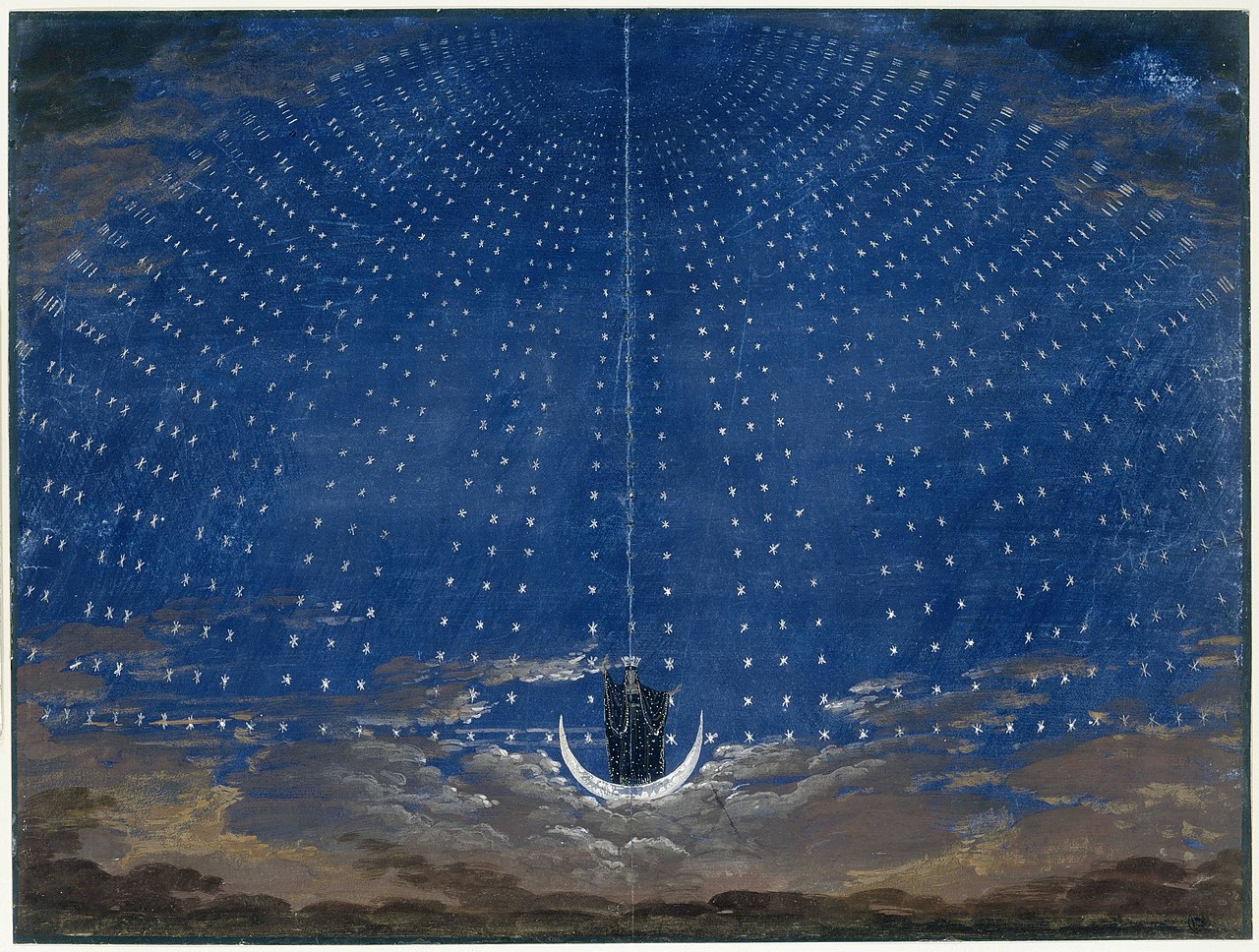
The Magic Flute (Die Zauberflöte) is not just an opera; it's a philosophical fairy tale wrapped in a musical spectacle. Premiering in 1791, just months before Wolfgang Amadeus Mozart's death, this Singspiel by Mozart and librettist Emanuel Schikaneder blends spoken dialogue with soaring arias and ensemble numbers. It’s a unique hybrid that makes it accessible even to those new to opera. The story follows Prince Tamino on a quest to rescue Pamina, daughter of the Queen of the Night, from the clutches of the high priest Sarastro. Along the way, he's armed with a magical flute and accompanied by the bird-catcher Papageno, whose simple desires for food and companionship offer a delightful counterpoint to Tamino's noble quest. The opera is a vibrant mix of comedy, romance, and profound allegorical meaning.
📍 Where to Experience It
While the original premiere was at Vienna's Freihaus-Theater auf der Wieden, The Magic Flute is now a global phenomenon. You can catch productions at major opera houses worldwide, including the Metropolitan Opera in New York, the Royal Opera House in London, and the Vienna State Opera. Many companies stage it annually, often with stunning new sets and costumes. Check the schedules of your local opera company or major international venues for upcoming performances. Some productions might be filmed and broadcast in cinemas, offering another accessible way to experience this masterpiece.
🎟️ Tickets & Pricing
Ticket prices for The Magic Flute vary wildly depending on the venue, seating location, and production. Expect to pay anywhere from $30 for a nosebleed seat at a smaller regional opera to upwards of $500 for premium seating at a renowned international house. Many opera companies offer rush tickets, student discounts, or package deals, especially if you're willing to book in advance or attend during less popular performance times. Keep an eye out for special events or family-friendly matinees, which can sometimes be more affordable.
⭐ What People Say (Vibe Score: 88/100)
The Magic Flute consistently garners high praise, reflected in its Vibepedia Vibe Score of 88/100. Audiences are captivated by Mozart's sublime music, from the Queen of the Night's dazzling coloratura arias to Papageno's charming folk-like melodies. Critics often laud its inventive staging and the opera's enduring themes of enlightenment, love, and the triumph of good over evil. While some historical critiques have pointed to potential inconsistencies in its allegorical layers or the portrayal of certain characters, the sheer musical genius and theatrical magic usually win out. It's a production that leaves most attendees feeling enchanted.
🤔 Is It For You?
This opera is an excellent entry point for opera newcomers, especially those who enjoy fairy tales, mythology, or visually rich theatrical productions. If you appreciate music that is both emotionally resonant and technically brilliant, you'll find plenty to love. However, if you prefer gritty realism or fast-paced, plot-driven narratives without any symbolic undertones, it might feel a bit whimsical or slow at times. The blend of spoken dialogue and singing also makes it more digestible than through-sung operas. Consider it if you're looking for a magical, uplifting, and musically rich experience.
💡 Key Characters & Plot Points
The opera features a memorable cast of characters. Prince Tamino is the noble hero, tasked with a seemingly impossible quest. Pamina is the virtuous princess, caught between her mother's darkness and Sarastro's wisdom. The Queen of the Night is the iconic villain, whose stratospheric vocal demands are legendary. Papageno, the jovial bird-catcher, provides comic relief and represents the common man's desires. Sarastro, the wise leader, embodies reason and enlightenment. The plot involves trials by fire and water, secret societies, and a battle between light and darkness, all set against a backdrop of magical elements.
✨ Beyond the Music: Symbolism & Themes
Beyond its enchanting story, The Magic Flute is steeped in symbolism, often interpreted through the lens of Freemasonry, to which both Mozart and Schikaneder belonged. The number three (representing the Holy Trinity or Masonic principles) appears frequently. Sarastro's realm symbolizes enlightenment and reason, while the Queen of the Night represents superstition and chaos. The trials Tamino and Pamina undergo are allegorical tests of virtue and perseverance. The opera explores themes of love conquering all, the pursuit of wisdom, and the balance between the spiritual and the earthly.
🎭 Comparing It to Other Operas
Compared to other Mozart operas, The Magic Flute stands out for its Singspiel format, incorporating spoken dialogue which makes it more accessible than his more dramatic works like Don Giovanni or The Marriage of Figaro. While Carmen by Bizet offers a similarly iconic female character and dramatic flair, The Magic Flute leans more towards fantasy and allegory. If you enjoy the intricate musical structures of Richard Wagner's operas but prefer something lighter and more whimsical, The Magic Flute offers a delightful contrast. Its fairy-tale quality also sets it apart from the more grounded dramas often found in opera.
🚀 The Enduring Legacy
The Magic Flute's influence is undeniable, permeating not just opera but also broader culture. Its melodies have been used in films, commercials, and even educational programs. The opera's themes of enlightenment and the struggle against ignorance continue to resonate. Its enduring popularity, with thousands of performances annually worldwide, speaks to its timeless appeal. The work's ability to enchant audiences across centuries and cultures solidifies its status as a cornerstone of the operatic repertoire and a testament to Mozart's genius. It continues to inspire new interpretations and productions, ensuring its relevance for generations to come.
🗺️ Getting Started
To experience The Magic Flute, the first step is to identify a local opera company or a major international venue that is staging it. Check their official websites for performance dates and times. Once you've found a performance, navigate to their ticketing page to select your seats and purchase tickets. If you're new to opera, consider attending a dress rehearsal or a family-friendly performance if available. Many opera houses also offer pre-performance talks or guided tours that can enhance your understanding and appreciation of the work. Don't hesitate to reach out to the venue's box office with any specific questions about accessibility or seating.
Key Facts
- Year
- 1791
- Origin
- Vienna, Austria
- Category
- Opera
- Type
- Work of Art
Frequently Asked Questions
Is The Magic Flute suitable for children?
Yes, The Magic Flute is generally considered suitable for children, especially older ones who can appreciate a fairy tale. Many productions are geared towards families. The spoken dialogue helps keep younger audiences engaged, and the magical elements are captivating. However, some themes, like the trials and the Queen of the Night's dramatic outbursts, might be intense for very young or sensitive children. It's advisable to check the specific production's recommendations or preview it yourself if you have concerns.
What is a Singspiel?
A Singspiel is a German genre of opera that incorporates spoken dialogue alongside sung numbers, such as arias, duets, and ensembles. This form was particularly popular in the late 18th century. The Magic Flute is one of the most famous examples of a Singspiel. The inclusion of spoken dialogue makes it more accessible to audiences than operas that are entirely sung, bridging the gap between opera and musical theatre.
Who are the main characters in The Magic Flute?
The main characters include Prince Tamino, a noble prince on a quest; Pamina, his love interest and daughter of the Queen of the Night; the Queen of the Night, a powerful and vengeful sorceress; Papageno, a comical bird-catcher who desires a wife; and Sarastro, the wise and benevolent high priest. Other significant figures include the three ladies, the three spirits, Monostatos, and the priests of Sarastro.
What are the most famous arias from The Magic Flute?
The most famous arias include the Queen of the Night's 'Der Hölle Rache kocht in meinem Herzen' (Queen of the Night's Aria), renowned for its extreme vocal range and dramatic intensity. Papageno's 'Ein Mädchen oder Weibchen' and 'Der Vogelfänger bin ich ja' are also incredibly popular for their charm and simplicity. Tamino's 'Dies Bildnis ist bezaubernd schön' is a beautiful aria expressing his love at first sight.
What is the significance of the flute itself?
The magic flute, bestowed upon Tamino by the Queen of the Night, is a central magical element in the opera. When played, it has the power to charm and protect its player, disarming enemies and influencing listeners. It symbolizes the power of music and art to overcome adversity and bring harmony. Its magical properties are crucial in helping Tamino and Pamina navigate the trials and tribulations they face.
How long is The Magic Flute?
The Magic Flute typically runs for about 2 hours and 45 minutes, including one intermission. The exact running time can vary slightly depending on the specific production and the pace of the conductor. Most opera houses schedule performances with a single intermission, usually after the first act.