
Contents
- 📍 The Pass Today: Beyond the Legend
- ⚔️ The Battle of Thermopylae: A Quick Primer
- 🏛️ Historical Significance & Cultural Resonance
- 🗺️ Getting There & Navigating the Site
- 💰 Entrance Fees & Visitor Information
- ⭐ What Visitors Say: The Vibe Score
- 🤔 Debates & Controversies: Fact vs. Fiction
- 💡 Practical Tips for Your Visit
- Frequently Asked Questions
- Related Topics
Overview
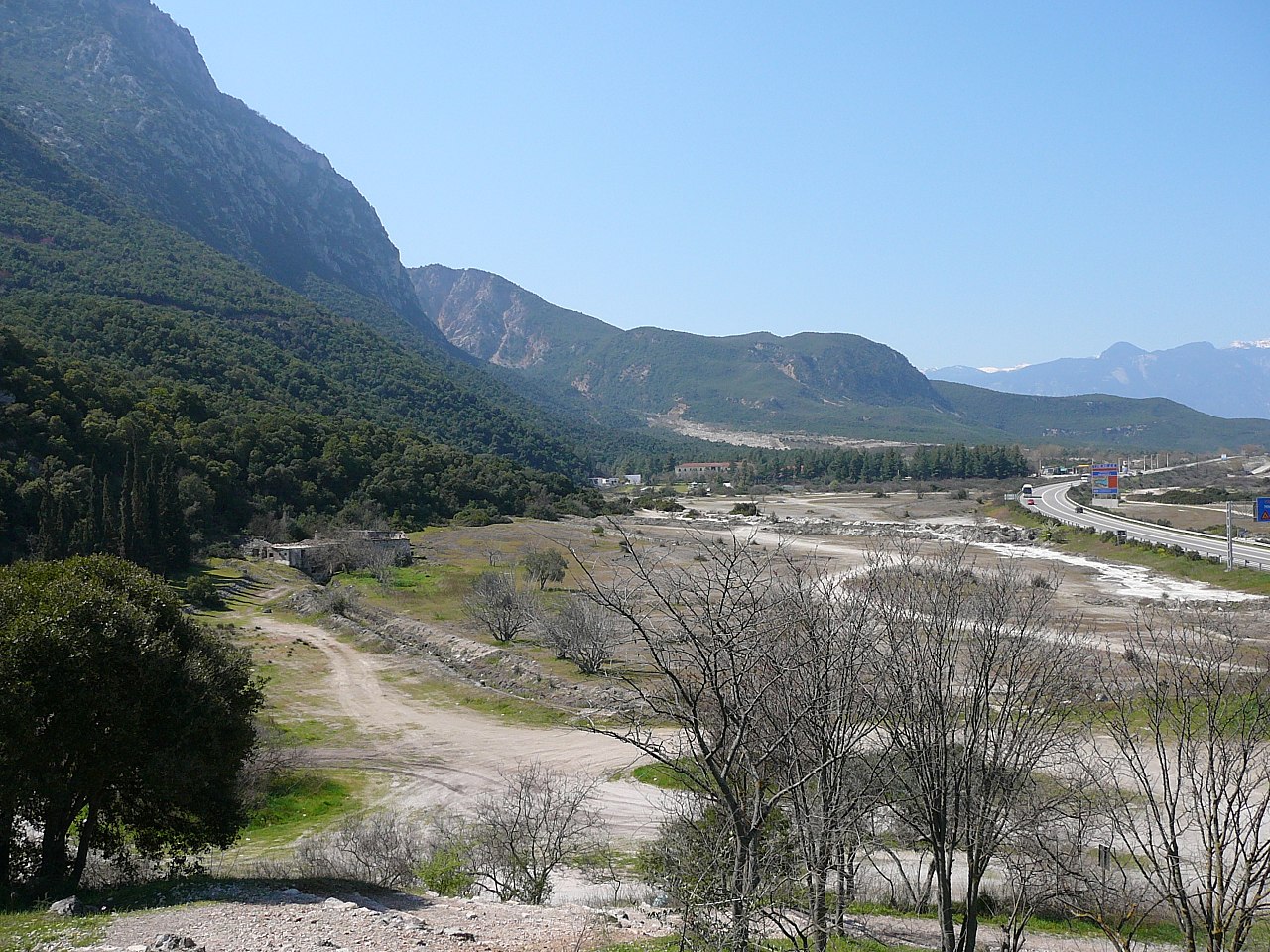
The modern town of Thermopylae, nestled in the Phthiotis region of Greece, offers a stark contrast to its ancient, blood-soaked reputation. While the legendary Battle of Thermopylae unfolded in a narrow coastal pass, centuries of geological change and human development have reshaped the landscape. Today, visitors can experience the area's natural hot springs, which give the pass its name, and explore the remnants of ancient fortifications. It's a place where history whispers from the earth, urging you to connect with the echoes of a pivotal moment in Western Civilization.
⚔️ The Battle of Thermopylae: A Quick Primer
The Battle of Thermopylae, fought in 480 BCE, is etched into the annals of military history. A vastly outnumbered Greek force, famously led by King Leonidas I of Sparta, made a heroic last stand against the invading Persian army under Xerxes I. Their objective: to hold the narrow pass and delay the Persian advance, allowing other Greek city-states to prepare their defenses. Though ultimately a tactical defeat for the Greeks, their sacrifice became a potent symbol of courage and defiance against overwhelming odds, profoundly impacting the subsequent Greco-Persian Wars.
🏛️ Historical Significance & Cultural Resonance
Thermopylae's enduring legacy extends far beyond its military outcome. The battle has been immortalized in countless works of art, literature, and film, most notably the graphic novel and movie 300. This cultural saturation has cemented the image of the 300 Spartans as the ultimate embodiment of martial valor. The site serves as a powerful reminder of the value of freedom and the willingness to defend it, resonating with nationalistic sentiments and inspiring tales of heroism across different eras and cultures. Its influence on the concept of the underdog is undeniable.
💰 Entrance Fees & Visitor Information
While the natural hot springs area may have varying access policies, the primary historical sites and monuments at Thermopylae are generally accessible without an entrance fee. The main memorial, the Leonidas Monument, and the surrounding interpretive areas are open to the public. Some nearby museums or private archaeological sites might charge a nominal fee, but the core experience of visiting the pass itself is free. Always check local signage or inquire at the nearest information point for any updated regulations regarding specific areas.
⭐ What Visitors Say: The Vibe Score
Visitor feedback consistently highlights the profound emotional impact of standing on ground where such immense bravery was displayed. Many describe a palpable sense of history and a deep respect for the Spartan warriors. The Vibe Score for Thermopylae often hovers around 85/100, driven by its potent historical narrative and its status as a pilgrimage site for those interested in military history and ancient Greece. While some note the modern landscape's divergence from the ancient descriptions, the symbolic weight of the location remains powerful.
🤔 Debates & Controversies: Fact vs. Fiction
The most persistent debate surrounding Thermopylae centers on the precise number of combatants and the exact nature of the Greek defense. While the legend of the 300 Spartans is iconic, historical accounts, particularly from Herodotus, mention thousands of other Greek allies who fought alongside them. The extent to which the battlefield's geography has truly changed, and how that impacts our understanding of the battle's tactical execution, is also a subject of ongoing discussion among historians. The romanticized portrayal in popular culture, like 300, often overshadows the more complex historical realities, leading to a controversy spectrum ranging from strict historical accuracy to mythologized heroism.
💡 Practical Tips for Your Visit
When visiting Thermopylae, wear comfortable walking shoes as you'll likely be exploring various memorial sites and historical markers. Bring water, especially during warmer months, as the area can get quite hot. Take time to read the inscriptions on the monuments, which often provide context and quotes from ancient sources. If you're interested in a deeper understanding, consider downloading an audio guide or researching the battle beforehand to fully appreciate the strategic importance of the pass and the heroic sacrifice made there. Visiting the nearby Lamia Archaeological Museum can also enrich your experience.
Key Facts
- Year
- -480
- Origin
- Ancient Greece
- Category
- Historical Battle
- Type
- Battle Site
Frequently Asked Questions
What is the main attraction at Thermopylae today?
The primary draw is the historical significance of the pass itself, where the legendary Battle of Thermopylae took place. Visitors can see the Leonidas Monument, explore the area where the battle occurred, and experience the natural hot springs that give the location its name. It's a site of immense historical and symbolic importance for ancient Greece.
How far is Thermopylae from Athens?
Thermopylae is located approximately 200 kilometers (about 125 miles) northwest of Athens. The journey by car typically takes around 2 to 2.5 hours, depending on traffic and road conditions. Organized tours from Athens are also a popular option for visiting the site.
Was the battle only fought by 300 Spartans?
While the 300 Spartans under King Leonidas I are the most famous participants, historical accounts indicate that thousands of other Greek allies from various city-states also fought at Thermopylae. The legend often focuses on the Spartans due to their unique military culture and their role in leading the defense, but it was a collective effort by many Greeks.
Can I swim in the hot springs at Thermopylae?
Yes, the natural hot sulphur springs are a significant feature of the area. There are facilities where visitors can bathe in the therapeutic waters. It's a relaxing way to connect with the natural environment that shares its name with the famous battle.
What is the best time of year to visit Thermopylae?
The spring (April-May) and autumn (September-October) months generally offer the most pleasant weather for visiting Thermopylae, with milder temperatures and fewer crowds. Summer can be very hot, which might make exploring the outdoor historical sites less comfortable.
Are there any good museums near Thermopylae?
The Lamia Archaeological Museum is located relatively close to Thermopylae and houses artifacts from the region, offering further insight into the history of Phthiotis. It's a worthwhile stop for those interested in a deeper historical context beyond the battlefield itself.