
Contents
Overview
Tire Pressure Monitoring Systems (TPMS) are crucial safety and efficiency devices integrated into modern vehicles. They continuously track the air pressure within each tire, alerting the driver to underinflated or rapidly deflating conditions via dashboard indicators. This technology, mandated in many regions, stems from a growing awareness of the link between proper tire inflation and fuel economy, tire longevity, and accident prevention. Understanding TPMS involves recognizing its two primary types: direct, using individual wheel sensors, and indirect, inferring pressure from wheel speed data. The evolution of TPMS reflects a broader trend towards vehicle autonomy and proactive safety features, making it an indispensable component for any driver.
🚗 What Exactly is TPMS?
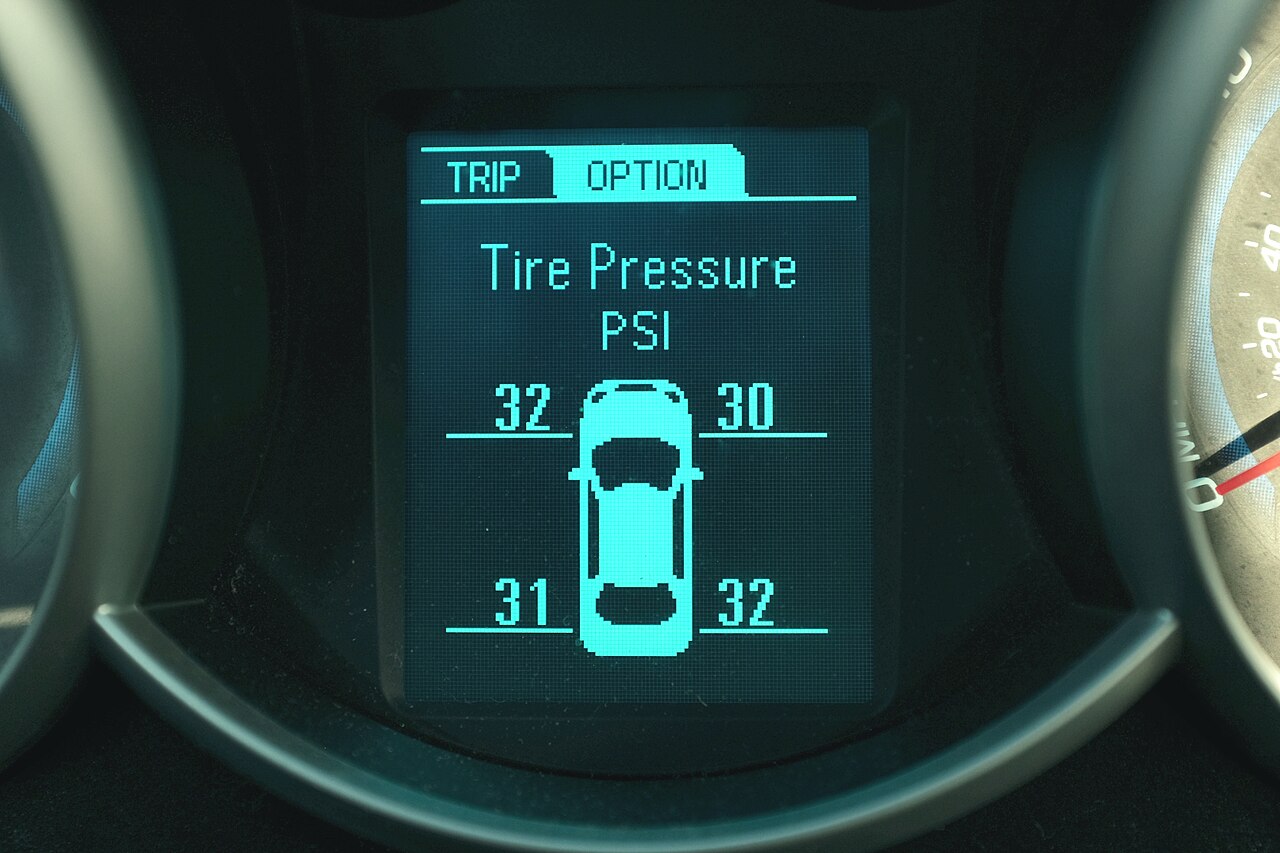
A Tire Pressure Monitoring System (TPMS) is your vehicle's guardian angel for tire health, constantly keeping tabs on the air pressure within your tires. Think of it as a built-in tire inspector, relaying critical information directly to you, the driver. This isn't just about a fancy dashboard light; it's a safety and efficiency system designed to alert you to potentially dangerous underinflation or overinflation. For any driver concerned with vehicle performance, fuel economy, and, most importantly, safety, understanding TPMS is non-negotiable. It's a fundamental piece of modern automotive technology, mandated in many regions to prevent accidents caused by tire failure.
⚙️ Direct vs. Indirect: The Core Tech
TPMS systems generally fall into two main camps: direct (dTPMS) and indirect (iTPMS). Direct systems employ actual pressure sensors mounted inside each wheel, providing highly accurate, real-time data for each tire individually. These sensors transmit their readings wirelessly to the vehicle's central computer. Indirect systems, on the other hand, are more of a clever workaround. They use the vehicle's Anti-lock Braking System (ABS) wheel speed sensors to infer tire pressure. When a tire is underinflated, it spins slightly faster than its properly inflated counterparts, a difference the ABS system can detect. While simpler and often cheaper, iTPMS systems are generally less precise and can be fooled by simultaneous pressure loss in multiple tires or by changes in tire tread depth.
🚦 The Dashboard's Warning Light
The most common manifestation of TPMS for the average driver is the ubiquitous low-pressure warning light on the dashboard. This amber symbol, often resembling a deflated tire with an exclamation mark inside, is your first alert that something is amiss. While it's a crucial warning, it's important to remember that this light typically only illuminates when tire pressure drops significantly below the recommended level, often by 25% or more. It's not a substitute for regular manual checks, but rather a vital safety net. Understanding the specific trigger points for your vehicle's TPMS light is key to responding promptly.
🛠️ When Does TPMS Matter Most?
TPMS becomes critically important in several scenarios. Underinflated tires are a leading cause of tire blowouts, especially at high speeds, posing a severe risk of accidents. They also significantly reduce fuel efficiency, costing you more at the pump, and accelerate tire wear, leading to premature replacement. Conversely, overinflated tires can lead to a harsher ride, reduced traction, and uneven wear patterns. Regular monitoring via TPMS helps maintain optimal tire pressure, ensuring better handling, shorter braking distances, and extended tire life, all contributing to a safer and more economical driving experience. It's a proactive measure against common automotive woes.
💰 Cost of Entry & Maintenance
The cost associated with TPMS varies depending on the system type and whether it's factory-installed or an aftermarket addition. Factory-installed systems are integrated into the vehicle's purchase price. For aftermarket installations, direct TPMS sensors can range from $50 to $100 per sensor, plus installation costs, which can add another $50-$100 per wheel. Indirect systems are generally cheaper to implement as they leverage existing ABS sensors. Maintenance primarily involves battery replacement for direct TPMS sensors, which typically lasts 5-10 years, and recalibration after tire rotations or replacements. Ignoring TPMS issues can lead to more expensive repairs down the line.
📈 Accuracy & Reliability Debates
The accuracy and reliability of TPMS systems are subjects of ongoing discussion and development. Direct TPMS, with its dedicated sensors, is generally considered more accurate, providing precise pressure readings for each tire. However, these sensors can be susceptible to damage from road debris or during tire changes, and their batteries will eventually need replacement. Indirect TPMS, while convenient, has limitations. Its reliance on ABS sensors means it can be less sensitive to slow leaks and may require manual recalibration after tire rotation or pressure adjustments. Some studies have shown iTPMS can take longer to detect pressure loss compared to dTPMS, potentially delaying critical warnings.
⚖️ Pros and Cons: A Quick Scan
The advantages of TPMS are clear: enhanced safety by preventing blowouts and improving handling, increased fuel efficiency by maintaining optimal tire pressure, and extended tire lifespan through consistent inflation. The primary disadvantages revolve around cost, particularly for direct systems, and potential maintenance needs like battery replacement or sensor recalibration. Indirect systems, while cheaper, offer less precise data and can be slower to alert drivers to issues. For many, the safety benefits far outweigh the costs and minor inconveniences, making TPMS a worthwhile technology.
💡 Future of Tire Monitoring
The future of tire monitoring is heading towards greater integration and smarter technology. Expect to see advancements in sensor technology, leading to more durable, longer-lasting, and even self-powered sensors for direct TPMS. Wireless communication protocols are also evolving, promising faster and more reliable data transmission. Furthermore, TPMS is likely to become more deeply integrated with other vehicle systems, such as adaptive cruise control and stability control, to proactively adjust driving parameters based on real-time tire conditions. The ultimate goal is a seamless, predictive system that not only warns of issues but anticipates them, further enhancing vehicle safety and performance.
Key Facts
- Year
- 2007
- Origin
- United States (mandate)
- Category
- Automotive Technology
- Type
- Technology
Frequently Asked Questions
How do I know if my car has TPMS?
Most cars manufactured after 2007 in the United States are equipped with TPMS as standard. Look for a warning light on your dashboard that resembles a deflated tire with an exclamation mark. You can also check your vehicle's owner's manual for specific details about its TPMS features. If you're unsure, a quick visual inspection of your tire valve stems for small metal or rubber caps (which might house sensors) can sometimes offer clues, though this isn't always definitive.
Can I reset my TPMS light myself?
Yes, in many cases. If the light is on due to a temporary pressure drop and you've corrected the tire pressure, the light may reset automatically after driving a short distance. Some vehicles have a manual reset button, often located on the dashboard or steering column, which you'll need to press and hold after inflating tires to the correct pressure. Always consult your owner's manual for the specific procedure for your vehicle model.
What's the difference between a TPMS warning light and a general tire pressure gauge?
A TPMS warning light typically illuminates when tire pressure drops significantly below the recommended level (often 25% or more). It's a critical alert for immediate attention. A tire pressure gauge, on the other hand, provides a precise measurement of the air pressure in each tire, allowing for regular checks and adjustments to maintain optimal pressure. For best practice, use a gauge for regular maintenance and heed the TPMS light as an emergency alert.
How often should I check my tire pressure?
It's recommended to check your tire pressure at least once a month and before any long road trips. Tire pressure can fluctuate with temperature changes, so checking regularly ensures your tires are always at their optimal inflation level. This simple habit contributes significantly to safety, fuel economy, and tire longevity.
Are aftermarket TPMS kits reliable?
Aftermarket TPMS kits can be reliable, but quality varies significantly. Direct TPMS kits with individual sensors are generally more accurate than indirect systems. Look for reputable brands with good reviews and ensure the system is compatible with your vehicle. Professional installation is often recommended to ensure proper sensor placement and calibration, maximizing the reliability of the system.