
Contents
Overview
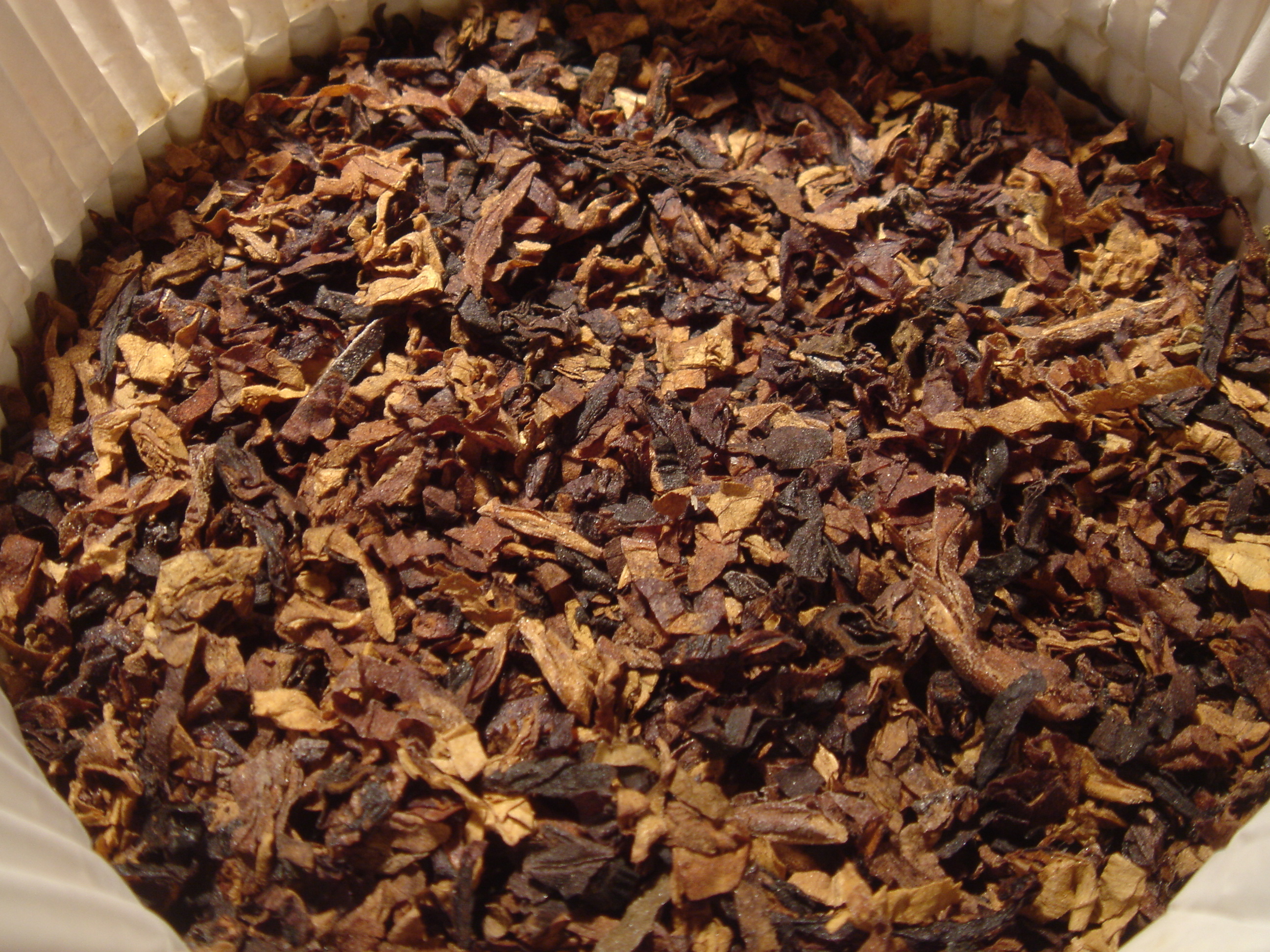
Tobacco, derived from plants of the genus Nicotiana, encompasses a vast array of types, each with distinct characteristics shaped by species, cultivation, curing, and processing methods. Historically, the primary species cultivated have been Nicotiana tabacum and Nicotiana rustica, with tabacum accounting for the overwhelming majority of global production. These broad categories further subdivide into numerous varietals like Virginia, Burley, Oriental, and cigar filler/binder/wrapper types, each possessing unique flavor profiles, nicotine content, and burning qualities. Processing techniques, such as air-curing, fire-curing, sun-curing, and flue-curing, profoundly alter the leaf's chemical composition and sensory attributes, influencing its suitability for diverse applications ranging from cigarettes and cigars to pipe tobacco, chewing tobacco, and snuff. The global tobacco market, valued at over $900 billion in 2023, continues to evolve, with ongoing debates surrounding health impacts, regulatory landscapes, and the emergence of novel nicotine delivery systems.
🎵 Origins & History
The story of tobacco types begins not in a laboratory, but in the Americas, where indigenous peoples cultivated and consumed tobacco for millennia. The two principal species, Nicotiana rustica and Nicotiana tabacum, were central to spiritual, medicinal, and social practices long before European contact. The development of distinct varietals and curing methods, such as the air-curing of Virginia leaf and the sun-curing of Oriental tobaccos, began in earnest during this period, driven by colonial agricultural practices and burgeoning European demand, laying the groundwork for the diverse types we recognize today.
⚙️ How It Works
The differentiation of tobacco types hinges on a complex interplay of botanical genetics, agricultural practices, and post-harvest processing. Nicotiana rustica is higher in nicotine, while Nicotiana tabacum yields most commercial tobacco. Within N. tabacum, thousands of cultivars exist, broadly classified by their curing method and origin: Virginia (flue-cured, high sugar), Burley (air-cured, low sugar, neutral flavor), Oriental (sun-cured, aromatic, low nicotine), and cigar tobaccos (grown for specific wrapper, binder, or filler roles). Curing transforms the green leaf into a usable product by drying it, which initiates enzymatic and chemical changes, developing aroma and flavor. Flue-curing uses controlled heat in barns, air-curing relies on natural air circulation, sun-curing uses direct sunlight, and fire-curing involves smoking the leaves over wood fires, imparting a distinct smoky character. Further processing, like fermentation for cigars and the creation of Cavendish blends, refines these characteristics.
📊 Key Facts & Numbers
The global tobacco market is a colossal enterprise, estimated to be worth over $900 billion annually as of 2023. The nicotine content varies dramatically, with Nicotiana rustica potentially containing up to 9% nicotine by dry weight, compared to the 1-3% typically found in Nicotiana tabacum. The United States consumes roughly 12.5 billion packs of cigarettes annually, with a per capita consumption rate that has seen a steady decline since the 1980s. Cigar production is also significant, with the Dominican Republic exporting over $1 billion worth of cigars in 2022 alone. Pipe tobacco and chewing tobacco, while smaller segments, still represent hundreds of millions of dollars in sales.
👥 Key People & Organizations
Key figures in the history and development of tobacco types include Jean Nicot, the French ambassador who introduced tobacco to the French court in the 16th century, lending his name to the plant's primary alkaloid. Early colonial figures like John Rolfe are credited with developing the first commercially viable tobacco strains in Virginia around 1612, transforming the crop from a wild plant into a lucrative export. Major tobacco conglomerates such as Philip Morris International, British American Tobacco (BAT), and Japan Tobacco Inc. have played pivotal roles in standardizing, marketing, and distributing various tobacco types globally for over a century. More recently, innovators in the vaping industry and heated tobacco product sectors, like Juul Labs and Philip Morris International (with its IQOS device), are reshaping how nicotine is consumed, influencing the demand for specific tobacco formulations.
🌍 Cultural Impact & Influence
Tobacco's cultural footprint is immense and multifaceted. From the sacred pipes of Native American shamans to the ubiquitous cigarette culture of the 20th century, tobacco has been interwoven with ritual, social interaction, and personal identity. It fueled colonial economies, inspired art and literature, and became a symbol of rebellion, sophistication, or simple daily habit. The distinct aromas and flavors of different tobacco types—the sweet, bright notes of Virginia; the earthy, robust character of Burley; the exotic, spicy scent of Oriental; the rich complexity of cigar leaf—have been celebrated in their own right. The decline in smoking rates in many Western countries, driven by public health campaigns and increased awareness of the dangers of secondhand smoke, has led to a cultural re-evaluation, though tobacco remains deeply embedded in the traditions of many societies worldwide. The rise of the vaping industry has introduced new cultural norms around nicotine consumption, often mirroring or reacting against traditional tobacco use.
⚡ Current State & Latest Developments
The current landscape of tobacco types is marked by a significant decline in traditional cigarette smoking in many developed nations, juxtaposed with continued high consumption in others and growth in emerging markets. Regulatory pressures, including plain packaging laws in countries like Australia and the UK, and flavor bans in regions like Massachusetts, are forcing manufacturers to adapt. The market share of heated tobacco products and e-cigarettes continues to grow, with HTPs like IQOS gaining traction by offering a tobacco-heating experience rather than combustion. This shift is driving innovation in tobacco processing to create formulations suitable for these new devices, often focusing on specific chemical profiles and moisture content. Meanwhile, the illicit market for tobacco products, particularly in regions like Brazil and Egypt, remains a persistent challenge, often involving unregulated or counterfeit products that may not adhere to any specific type classification.
🤔 Controversies & Debates
The most significant controversy surrounding tobacco types is, unequivocally, their link to severe health consequences. Decades of research have established clear causal relationships between tobacco use and numerous cancers, cardiovascular diseases, and respiratory illnesses. The World Health Organization estimates that tobacco kills over 8 million people annually, a staggering figure that fuels ongoing debates about public health policy, addiction, and the ethical responsibilities of tobacco companies. Debates also persist regarding the relative harm of different product types: while cigarettes are widely recognized as the most dangerous, the long-term health effects of e-cigarettes and heated tobacco products are still under intense scientific scrutiny. Furthermore, the environmental impact of tobacco farming, including deforestation and pesticide use, is a growing concern, particularly in major producing nations like Brazil.
🔮 Future Outlook & Predictions
The future of tobacco types is likely to be shaped by continued regulatory intervention and technological innovation. As smoking rates decline in many Western markets, tobacco companies are increasingly focusing on reduced-risk products (RRPs). This will likely lead to further refinement of tobacco formulations for heated tobacco products and potentially new types of smokeless tobacco designed for specific delivery systems. The global market may see further consolidation, with major players like Philip Morris International and BAT heavily investing in non-combustible alternatives. Conversely, the rise of synthetic nicotine and the potential for entirely plant-free nicotine products could eventually decouple nicotine consumption from traditional tobacco agriculture, posing an existential challenge to established tobacco types. The regulatory environment, particularly concerning flavor bans and nicotine level restrictions, will be a critical determinant of which type
Key Facts
- Category
- culture
- Type
- topic