
Contents
Overview
Toxicologists are experts who study the adverse effects of chemical substances on living organisms. Their work spans the diagnosis and treatment of poisonings, the assessment of environmental hazards, and the development of safety regulations for everything from pharmaceuticals to industrial chemicals. By meticulously studying the relationship between dose and biological response, toxicologists provide critical insights into how substances like lead, pesticides, and even naturally occurring venoms impact health. This field, a crucial intersection of biology, chemistry, and medicine, plays a vital role in public health, environmental protection, and the safety of consumer products, with their findings influencing everything from food safety standards to occupational health guidelines.
🎵 Origins & History
Early physicians like Hippocrates (c. 460–370 BCE) noted the medicinal and poisonous properties of plants, while Mithridates VI of Pontus (120–63 BCE) reportedly ingested small doses of various poisons daily to build immunity. The Renaissance saw figures like Paracelsus (1493–1541) lay foundational principles, most notably the concept that 'the dose makes the poison' – a tenet still central to modern toxicology. The 19th century witnessed the professionalization of the field with the work of Mathieu Orfila, often called the father of toxicology. The establishment of dedicated toxicology departments in universities and government agencies throughout the late 19th and early 20th centuries solidified the toxicologist's position as a crucial scientific authority.
⚙️ How It Works
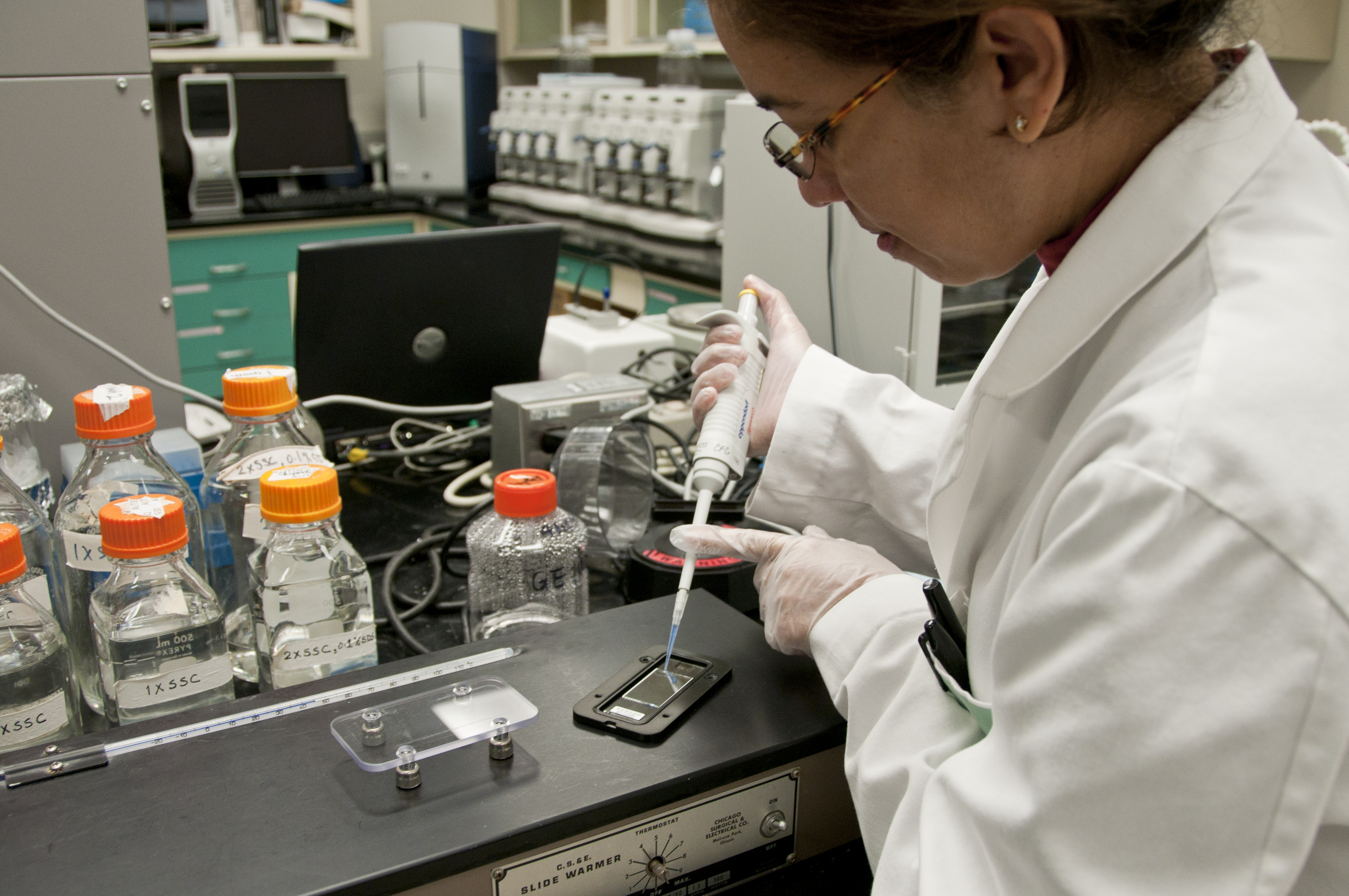
Toxicologists employ a diverse array of methodologies to understand how chemicals interact with biological systems. At its core, the discipline involves dose-response assessment, determining the relationship between the amount of a substance an organism is exposed to and the resulting adverse effects. This includes studying acute toxicity (effects from short-term exposure) and chronic toxicity (effects from long-term, often low-level exposure). They utilize in vitro methods (cell cultures, tissue samples) and in vivo studies (animal models) to investigate mechanisms of action, metabolism, and excretion of toxicants. Furthermore, toxicologists analyze environmental samples (air, water, soil) and biological specimens (blood, urine) to identify and quantify exposures, often using advanced analytical techniques like gas chromatography-mass spectrometry (GC-MS) and high-performance liquid chromatography (HPLC). Their expertise is essential for risk assessment, predicting potential harm to human populations and ecosystems.
📊 Key Facts & Numbers
Regulatory bodies like the U.S. Environmental Protection Agency (EPA) review thousands of chemical substances annually, with toxicologists playing a key role in evaluating their safety. The Organisation for Economic Co-operation and Development (OECD) has established over 100 standardized test guidelines for chemical safety testing, adopted by member countries.
👥 Key People & Organizations
Key figures in toxicology include Paracelsus, whose foundational principles still resonate, and Mathieu Orfila, credited with systematizing the field in the 19th century. Modern toxicology is shaped by researchers like Bernard Goldstein, a leading voice in environmental toxicology and policy, and Linda Birnbaum, former director of the National Institute of Environmental Health Sciences (NIEHS). Government agencies like the U.S. Food and Drug Administration (FDA) and the European Chemicals Agency (ECHA) employ thousands of toxicologists to regulate products and chemicals.
🌍 Cultural Impact & Influence
The influence of toxicologists extends far beyond academic labs and regulatory agencies, permeating popular culture and public perception of risk. Media portrayals, from fictional detectives solving crimes with poison to news reports on environmental disasters, often highlight the dramatic side of toxicology. The field has directly shaped public health policies, leading to bans on harmful substances like lead paint and DDT, and the establishment of workplace safety standards by organizations like the Occupational Safety and Health Administration (OSHA). Public awareness campaigns about the dangers of smoking and excessive alcohol consumption are also informed by toxicological research.
⚡ Current State & Latest Developments
New Approach Methodologies (NAMs) aim to reduce reliance on traditional animal testing. Initiatives like the Integrated Testing Strategy Framework (ITSF) are being developed to combine these diverse data streams into robust safety assessments. Furthermore, toxicologists are increasingly involved in understanding the complex interactions of multiple chemical exposures (mixtures toxicology) and the impact of endocrine disruptors, a growing area of concern highlighted by research from institutions like the [[national-institute-of-environmental-health-sciences|National Institute of Environmental Health Sciences (NIEHS)].
🤔 Controversies & Debates
One of the most persistent debates in toxicology revolves around the ethics and necessity of animal testing. While traditional animal models have yielded crucial data, ethical concerns and scientific limitations have fueled the movement towards NAMs. Critics argue that animal tests are not always predictive of human responses, citing examples like thalidomide, which caused severe birth defects in humans despite appearing safe in some animal studies. Conversely, proponents of animal testing emphasize its historical success in identifying life-threatening hazards and argue that current NAMs are not yet sufficiently validated for all types of chemical assessments. Another controversy surrounds the interpretation of epidemiological studies, where establishing definitive causal links between specific chemical exposures and health outcomes can be challenging due to confounding factors and long latency periods, a challenge often faced in studies of air pollution impacts.
🔮 Future Outlook & Predictions
The future of toxicology is poised for significant innovation, driven by computational power and a deeper understanding of biological complexity. Predictive toxicology, leveraging artificial intelligence and machine learning, will become increasingly sophisticated, allowing for faster and more accurate hazard identification of novel chemicals before widespread exposure. The integration of 'omics' technologies—genomics, transcriptomics, proteomics, and metabolomics—will provide unprecedented mechanistic insights into how toxicants affect cellular pathways, moving beyond simple endpoint observations. There is also a growing focus on 'exposomics,' the study of total environmental exposures throughout a lifetime, which will require toxicologists to integrate data from diverse sources, including personal monitoring devices and environmental databases. This evolution promises a more personalized and proactive approach to health protection, moving from reactive 'hazard identification' to predictive 'risk management'.
💡 Practical Applications
Toxicologists are indispensable across a vast spectrum of practical applications. In the pharmaceutical industry, they conduct preclinical safety testing of new drugs, ensuring they are safe for human consumption and identifying potential risks.
Key Facts
- Category
- science
- Type
- topic