
Contents
Overview
Trade routes are logistical networks that enable the commercial transport of cargo over long distances, connecting markets and facilitating the exchange of goods. These routes can be found on land and water, and have played a crucial role in the development of international trade and commerce. From the ancient Amber Road to modern-day maritime trade routes, trade routes have been a vital component of global economic activity. With the rise of new nation-states and the emergence of modern transportation technologies, trade routes have continued to evolve, with new routes and networks being established to facilitate the exchange of goods and services. Today, trade routes remain an essential part of the global economy, with millions of tons of cargo being transported every day. The history of trade routes is a complex and fascinating topic, with many notable examples, such as the Spice Route, which was a major trade route during the Middle Ages. The impact of trade routes on local economies and cultures has been significant, with many communities relying on trade for their livelihood. For example, the city of Venice, which was a major trading hub during the Middle Ages, became a wealthy and powerful city due to its strategic location on trade routes between Europe and Asia. The cultural exchange that occurred along trade routes has also been significant, with the spread of ideas, technologies, and goods from one region to another.
🌍 Introduction to Trade Routes
Trade routes have been a vital component of international trade and commerce for thousands of years. The Amber Road, which connected the Baltic Sea to the Mediterranean, is one of the oldest known trade routes. Other notable trade routes include the Spice Route, which connected Europe with Asia. These routes were used for the transport of goods such as spices, textiles, and precious metals. The city of Venice, which was a major trading hub during the Middle Ages, became a wealthy and powerful city due to its strategic location on trade routes between Europe and Asia.
🚣♀️ History of Trade Routes
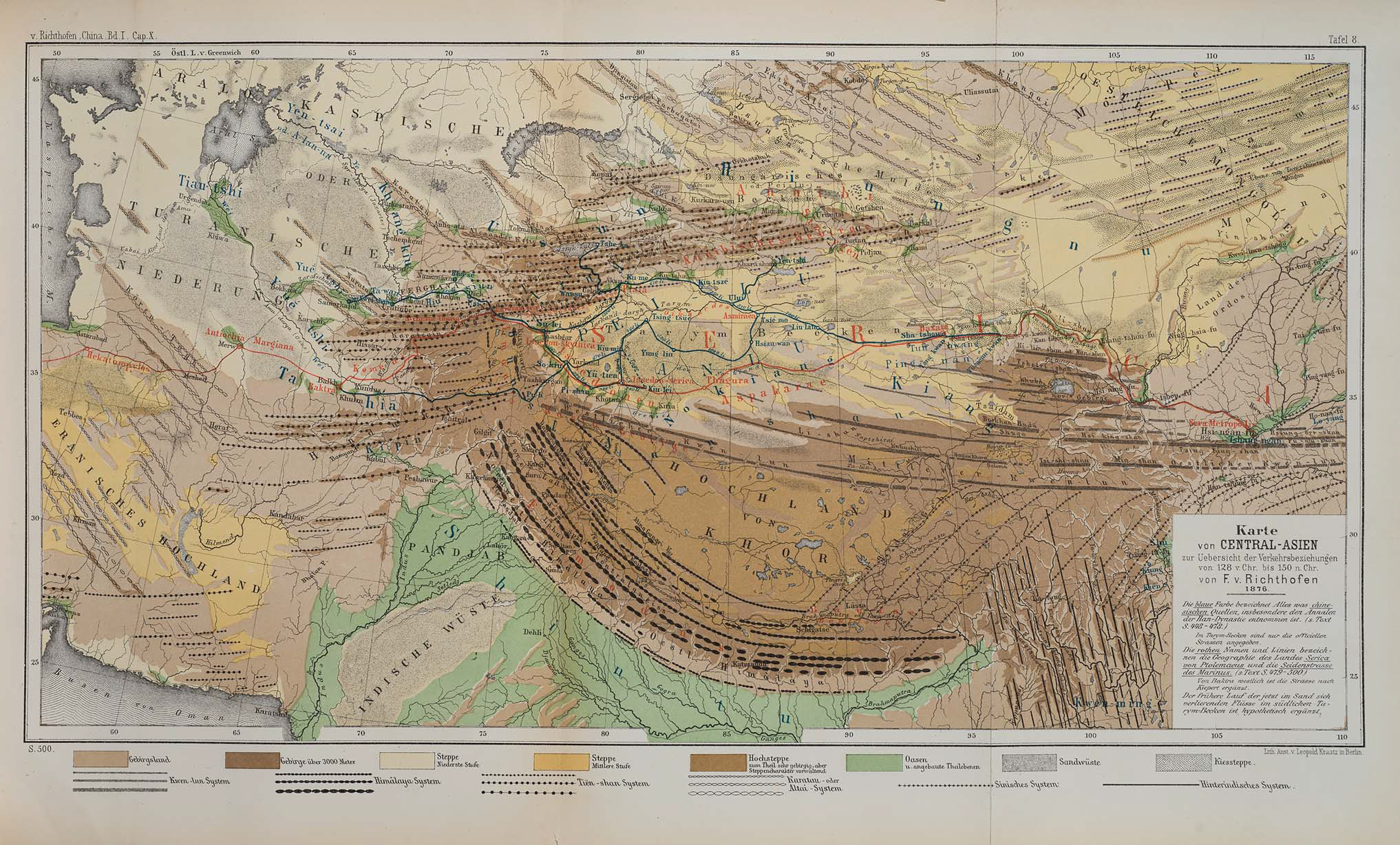
The history of trade routes is complex and fascinating, with many notable examples. The Spice Route, which connected Europe with Asia, was a major trade route during the Middle Ages. The route was used for the transport of spices, such as pepper and cinnamon, and other luxury goods. The impact of trade routes on local economies and cultures has been significant, with many communities relying on trade for their livelihood.
📊 Key Facts & Numbers
Some key facts and numbers about trade routes include the number of goods transported along the Spice Route, which included spices, textiles, and precious metals. The British East India Company played a significant role in the development of trade routes in Asia. The city of Singapore is a major trading hub in Asia due to its strategic location on trade routes between Europe and Asia.
👥 Key People & Organizations
Some key people and organizations involved in the development of trade routes include the British East India Company, which was a major trading company that played a significant role in the development of trade routes in Asia.
🌎 Cultural Impact & Influence
The cultural impact of trade routes has been significant, with many communities relying on trade for their livelihood. The spread of ideas, technologies, and goods from one region to another has been facilitated by trade routes. For example, the city of Venice, which was a major trading hub during the Middle Ages, became a wealthy and powerful city due to its strategic location on trade routes between Europe and Asia.
⚡ Current State & Latest Developments
The current state of trade routes is complex and multifaceted, with many different routes and networks being used for the transport of goods. The city of Singapore, which is a major trading hub in Asia, has become a wealthy and powerful city due to its strategic location on trade routes between Europe and Asia.
🤔 Controversies & Debates
Some controversies and debates surrounding trade routes include the impact of trade on local economies and cultures; the environmental impact of trade, such as pollution and climate change; and the social impact of trade, such as the exploitation of workers and the spread of diseases.
🔮 Future Outlook & Predictions
The future outlook for trade routes is complex and multifaceted, with many different factors and trends affecting the development of trade routes. The city of Singapore is expected to continue to grow and develop due to its strategic location on trade routes between Europe and Asia.
💡 Practical Applications
Some practical applications of trade routes include the transport of goods, such as spices, textiles, and precious metals; and the exchange of ideas, technologies, and cultures between different civilizations.
Key Facts
- Category
- history
- Type
- topic