
Contents
Overview
The genesis of verismo can be traced to the burgeoning literary movement in Italy during the 1870s and 1880s, itself a response to the international tide of Naturalism. Writers like Giovanni Verga and Luigi Capuana championed a style that eschewed aristocratic heroes and fantastical plots for the gritty realities of peasant life, regional dialects, and social injustices. Verga's novel I Malavoglia (1881) and Capuana's critical essays laid the groundwork, advocating for an objective portrayal of life as it was, not as it ought to be. This literary shift provided fertile ground for opera, which had long been dominated by grand narratives and mythological subjects. Composers, seeking to connect with a broader audience and reflect contemporary societal issues, found in verismo a powerful new aesthetic. The premiere of Pietro Mascagni's Cavalleria Rusticana in 1890 at the Teatro Costanzi in Rome is widely considered the watershed moment that launched verismo as a dominant operatic force.
⚙️ How It Works
At its core, verismo opera functions by stripping away the elaborate artifice of earlier operatic traditions to expose raw human emotion and experience. Instead of gods and kings, audiences encountered bakers, fishermen, and prostitutes. The musical language often mirrored this directness, employing passionate, soaring melodies, dramatic orchestral outbursts, and a greater emphasis on realistic vocal declamation over stylized bel canto. Plots typically revolved around intense, often tragic, human dramas: illicit love affairs, violent confrontations, and the crushing weight of social circumstances. The focus was on immediate, visceral impact, aiming to elicit a strong emotional response from the audience through relatable, albeit often grim, narratives. This approach prioritized psychological realism and dramatic intensity, making the characters' plights feel immediate and tangible, even within the heightened reality of opera.
📊 Key Facts & Numbers
The verismo movement produced an astonishing output of impactful operas, with approximately 50 new works premiering between 1890 and 1910. Giacomo Puccini's Tosca (1900) is a prime example, featuring a dramatic climax set against the backdrop of Napoleonic-era political turmoil, with a reported 100,000 attendees at its premiere. Ruggero Leoncavallo's I Pagliacci achieved immense popularity, with its famous aria 'Vesti la giubba' becoming a global sensation, selling over 1 million copies of its sheet music within its first year. Pietro Mascagni's Cavalleria Rusticana (1890) won the Sonzogno Competition against 39 other submissions, solidifying its immediate success. Operas like Madama Butterfly (1904) by Puccini, though initially met with failure, eventually became one of the most performed operas worldwide, with over 10,000 performances recorded by 2010. The economic impact was significant, with these operas quickly becoming staples in major opera houses across Europe and the Americas, driving ticket sales and record production for decades.
👥 Key People & Organizations
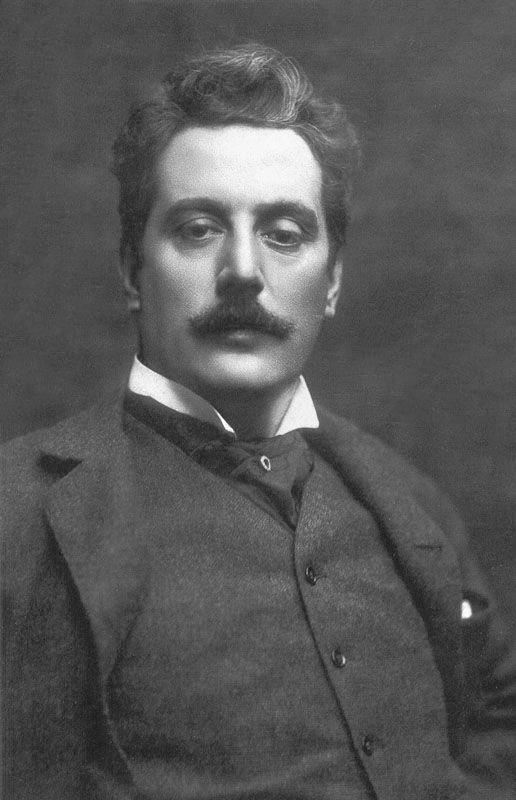
The architects of verismo opera include a constellation of Italian composers and librettists. Giacomo Puccini (1858-1924) stands as perhaps the most enduring figure, known for his masterful blend of dramatic intensity and lyrical beauty in works like La Bohème, Tosca, and Madama Butterfly. Pietro Mascagni (1863-1945) ignited the movement with Cavalleria Rusticana, a one-act masterpiece of passion and tragedy. Ruggero Leoncavallo (1858-1919) contributed the iconic I Pagliacci, a searing portrayal of a clown's descent into madness. Other key figures include Umberto Giordano (1867-1948), composer of Andrea Chénier, and Francesco Cilea (1866-1950), whose Adriana Lecouvreur remains a beloved staple. The Sonzogno Competition of 1888-1890 was a crucial incubator, discovering Mascagni and fostering a generation of verismo composers. Literary figures like Giovanni Verga provided the essential thematic and stylistic blueprint.
🌍 Cultural Impact & Influence
Verismo's influence extends far beyond the opera house. Its commitment to depicting unvarnished reality profoundly impacted subsequent literary movements, encouraging writers to explore social issues and the lives of marginalized communities. The Italian Neorealist movement of the post-World War II era owes a significant debt to verismo's aesthetic principles. Visual artists, too, were drawn to its raw emotional power and focus on everyday subjects. The verismo ethos of portraying authentic human experience continues to resonate in contemporary television dramas, novels, and even video games, where narratives often grapple with complex moral questions and the gritty realities of life. The very concept of 'realism' in storytelling has been irrevocably shaped by this Italian movement's bold assertion that the lives of ordinary people are as worthy of dramatic exploration as any royal saga.
⚡ Current State & Latest Developments
While the peak of verismo opera production waned by the early 20th century, its core tenets remain vibrantly alive. Contemporary opera composers and directors frequently revisit verismo works, staging them with fresh interpretations that highlight their enduring social relevance. The influence is also visible in the increasing diversity of subject matter explored in modern operas, which often tackle contemporary issues from political corruption to social inequality, echoing verismo's original mission. Furthermore, the narrative techniques pioneered by verismo—focusing on intense emotional arcs, relatable characters, and dramatic pacing—are now standard practice in many forms of popular entertainment, from prestige television series on Netflix to character-driven indie films. The ongoing popularity of Puccini's works, with Madama Butterfly consistently ranking among the top 10 most performed operas globally, attests to the lasting appeal of verismo's dramatic power.
🤔 Controversies & Debates
The primary controversy surrounding verismo centers on its perceived sensationalism and potential for exploitation. Critics argue that while aiming for realism, some verismo works lean into melodramatic violence and sexual themes, bordering on prurience rather than genuine social commentary. The portrayal of female characters, often depicted as victims of circumstance or driven by intense passion leading to tragic ends, has also drawn scrutiny for perpetuating stereotypes. Furthermore, the movement's focus on the lower classes, while groundbreaking, has been criticized by some for potentially romanticizing or exoticizing poverty. The debate continues regarding whether verismo truly elevated the lives of the common people or simply used their struggles as dramatic fodder for a bourgeois audience. The question remains: does the unflinching depiction of harsh realities serve to enlighten, or merely to shock?
🔮 Future Outlook & Predictions
The future of verismo's legacy lies in its continued adaptation and reinterpretation. As global societies grapple with new forms of inequality, political upheaval, and personal struggles, the verismo impulse to confront uncomfortable truths will likely find new artistic outlets. We may see a resurgence of verismo-inspired narratives in emerging media, such as immersive virtual reality experiences or interactive digital storytelling platforms, that can push the boundaries of realism even further. Composers and writers will continue to draw from its emotional palette, exploring the complexities of human relationships and societal pressures with a directness that resonates deeply. The challenge will be to maintain the raw honesty of verismo without succumbing to gratuitous sensationalism, ensuring that the portrayal of life's harsh realities serves a purpose beyond mere spectacle. The potential for new verismo masterpieces, reflecting the unique challenges of the present day, remains significant.
Key Facts
- Category
- culture
- Type
- topic