
Contents
Overview
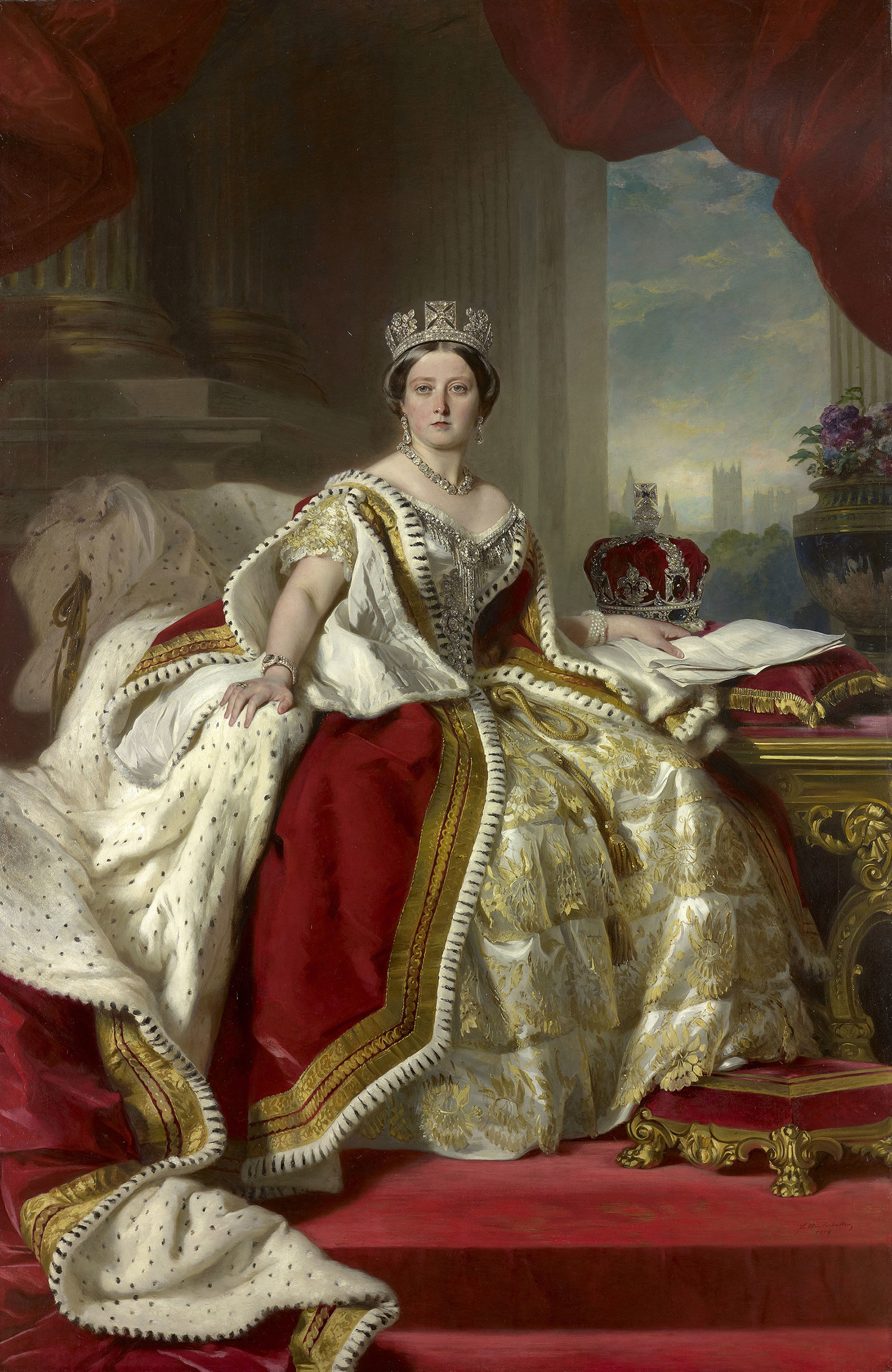
The Victorian era, spanning Queen Victoria's reign from 1837 to 1901, represents a period of immense transformation and paradox in British history. It was an age of unprecedented industrial expansion, technological innovation, and imperial dominance, with the British Empire reaching its zenith, controlling a quarter of the world's landmass and population. Simultaneously, it was a time of stark social contrasts, rigid moral codes, and significant political reform. The era witnessed the rise of the middle class, the burgeoning of scientific thought, and the seeds of social change that would define the 20th century, all while grappling with the immense social costs of industrialization and the complexities of governing a vast global empire. The legacy of Victorian England continues to shape modern Britain and the world.
🎵 Origins & History
The Victorian era followed the Georgian era and preceded the Edwardian era, marking a distinct chapter in British history characterized by profound societal shifts. Precursors to Victorianism can be traced to the late 18th century's Enlightenment ideals and the early stirrings of the Industrial Revolution. The era solidified Britain's position as a global superpower, fueled by industrial might and colonial expansion, but also grappled with the social dislocations and inequalities that industrialization wrought. The sheer longevity of Victoria's reign allowed for sustained development and the embedding of distinct cultural and political norms that would leave an indelible mark.
⚙️ How It Worked: Society and Governance
Victorian society was a complex stratification, with the aristocracy at the top, a rapidly expanding and increasingly influential middle class, and a large working class often living in dire conditions. Governance saw significant reforms, including the expansion of the electoral franchise. The Parliament became the central locus of political power, with figures like William Gladstone and Benjamin Disraeli dominating the political landscape. The British Empire was managed through a complex administrative system, often characterized by a blend of direct rule and indirect influence through local rulers, all under the symbolic and constitutional authority of the Crown.
📊 Key Facts & Numbers
The Victorian era saw staggering growth and change. By 1900, the British Empire spanned over 12 million square miles, governing approximately 400 million people, roughly 23% of the world's population. Industrial output quadrupled during Victoria's reign, with coal production increasing from 40 million tons in 1840 to 250 million tons by 1900. The railway network expanded dramatically, with over 20,000 miles of track laid by 1870. Urban populations boomed; London's population grew from 1 million in 1800 to over 6 million by 1900. Despite this progress, poverty remained endemic, with estimates suggesting that around 30% of the population lived in poverty at various points during the era. The national debt also swelled, largely due to imperial ventures and military spending, exceeding £600 million by the end of the century.
👥 Key People & Organizations
Key figures of the Victorian era include Queen Victoria herself, whose long reign provided stability and a national icon. Politicians like William Gladstone and Benjamin Disraeli shaped domestic and foreign policy for decades. Industrial titans such as Isambard Kingdom Brunel revolutionized engineering with projects like the Great Western Railway and the SS Great Britain. Social reformers like Charles Dickens exposed the harsh realities of poverty and industrial life, while scientists like Charles Darwin fundamentally altered humanity's understanding of life with his theory of evolution. Organizations like the Royal Society fostered scientific advancement, and philanthropic bodies like the Salvation Army emerged to address social ills.
🌍 Cultural Impact & Influence
Victorian England's cultural output was immense and influential. Literature flourished with novelists like Charles Dickens, George Eliot, and the Brontë sisters creating enduring works that explored social issues and human psychology. The era saw the rise of the modern novel and the establishment of literary magazines. In science, Charles Darwin's On the Origin of Species (1859) challenged established beliefs. Architecture saw grand public buildings and ornate domestic styles, while art movements like Pre-Raphaelitism sought to revive earlier artistic traditions. The spread of photography offered new ways of seeing and documenting the world. Victorian values, often characterized by earnestness, morality, and a strong work ethic, permeated global culture through the influence of the British Empire.
⚡ Current State & Latest Developments
While the Victorian era officially concluded in 1901, its influence persists. Modern Britain still grapples with the legacy of its industrial past, including infrastructure and environmental challenges. The structures of parliamentary democracy and the legal system bear the imprint of Victorian reforms. The cultural output of the era continues to be studied, adapted, and enjoyed through literature, film, and theatre. Debates about the nature of empire, class inequality, and the role of science continue to echo Victorian concerns. The recent resurgence of interest in historical dramas and the ongoing digitization of Victorian archives ensure its continued relevance in contemporary discourse.
🤔 Controversies & Debates
The Victorian era is rife with controversy. The morality of British imperialism remains a deeply debated topic, with critics highlighting exploitation, violence, and the subjugation of indigenous populations, while defenders point to the spread of infrastructure, law, and education. The stark class divisions and the brutal conditions faced by the working class, particularly in industrial centers like Manchester, are subjects of ongoing historical scrutiny. The era's rigid sexual morality and its impact on women's lives, as well as the treatment of marginalized groups, are also points of contention. Furthermore, the scientific advancements, particularly Darwin's theories, sparked intense religious and philosophical debates that continue to resonate.
🔮 Future Outlook & Predictions
The future outlook for understanding Victorian England involves deeper dives into marginalized voices and experiences, moving beyond the narratives of elites and industrialists. Advances in digital humanities are enabling new analyses of vast archival materials, potentially revealing previously unseen patterns of social and economic life. Continued debate over the legacy of empire will likely shape how the era is taught and remembered globally. Emerging scholarship may also focus on the early seeds of globalization and the interconnectedness of Victorian Britain with other parts of the world, challenging a purely insular view. The long-term impact of Victorian technological innovations on climate change and societal structures will also be a critical area of future study.
💡 Practical Applications
Victorian innovations have direct practical applications today. The development of the railway laid the groundwork for modern transportation systems. Advances in civil engineering and urban planning, such as sanitation systems and public parks, continue to inform city development. The principles of mass production and factory organization pioneered during this era are foundational to modern manufacturing. The scientific method, rigorously applied in fields like medicine and biology, underpins contemporary research. Even the literary forms and narrative structures developed by Victorian authors continue to influence storytelling across media, from novels to streaming series.
Key Facts
- Category
- history
- Type
- place