
Contents
Overview
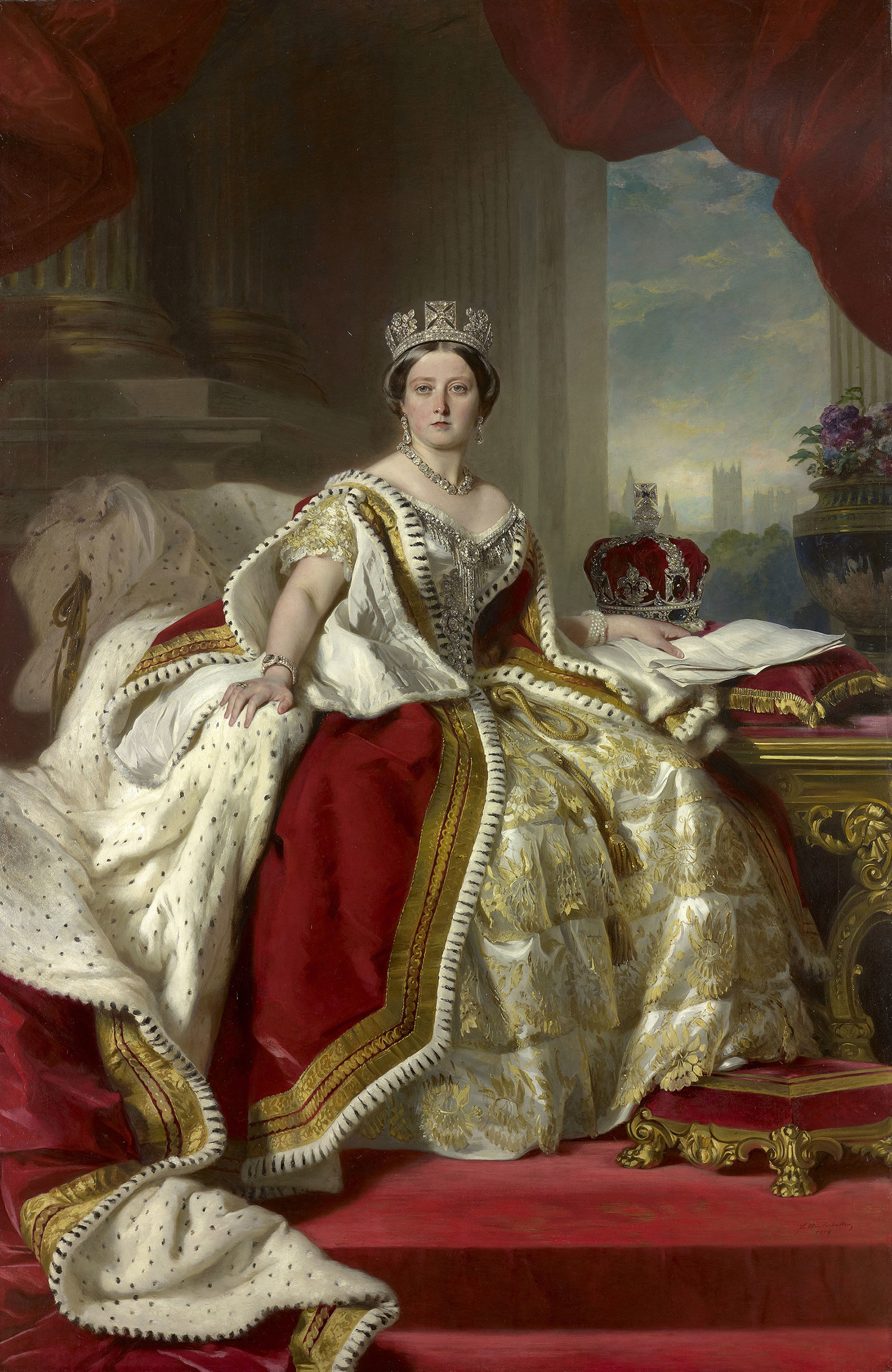
Victorian Era Studies is a multidisciplinary academic field dedicated to the comprehensive examination of the period spanning Queen Victoria's reign (1837-1901) in Great Britain and its vast empire. It delves into the era's complex social, political, economic, technological, and cultural transformations, from industrialization and imperial expansion to evolving class structures and artistic movements. Scholars analyze primary sources like literature, diaries, and government documents, alongside secondary research, to understand the period's profound impact on modernity. The field grapples with both the celebrated achievements, such as scientific advancements and democratic reforms, and the darker aspects, including widespread poverty, colonial exploitation, and rigid social hierarchies. Its enduring relevance lies in understanding the foundations of contemporary Western society and the ongoing debates about progress, empire, and identity.
🎵 Origins & History
The academic study of the Victorian era emerged in earnest in the mid-20th century. Early scholarship often focused on literary giants like Charles Dickens and George Eliot, viewing the period through the lens of its influential novels. However, historians and social scientists soon began to broaden the scope, incorporating economic data, political science, and art history. Key figures like Eric Hobsbawm, whose works such as 'The Age of Revolution' and 'The Age of Capital' provided sweeping historical analyses, helped establish a more critical and comprehensive approach. The establishment of dedicated journals like the 'Victorian Studies' by Indiana University Bloomington marked a significant institutionalization of the field, fostering interdisciplinary dialogue and rigorous scholarship on this pivotal period of British history.
⚙️ How It Works
Victorian Era Studies operates through a variety of methodologies. Literary critics analyze novels, poetry, and plays to understand social attitudes, psychological states, and aesthetic developments, often employing critical theories like Marxism or feminism. Historians examine parliamentary records, economic statistics, and personal correspondence to reconstruct political and social changes, focusing on themes such as industrialization, imperialism, and social reform. Art historians scrutinize paintings, architecture, and decorative arts to understand visual culture and its relationship to societal values. Digital humanities approaches are increasingly used to analyze vast datasets of texts and images, revealing patterns and connections previously invisible. This interdisciplinary nature allows for a multifaceted understanding, moving beyond a singular narrative to explore the era's inherent contradictions and complexities.
📊 Key Facts & Numbers
The Victorian era, spanning 1837 to 1901, witnessed staggering transformations. Britain's population nearly tripled, from approximately 16 million in 1831 to over 37 million by 1901. The British Empire expanded to cover nearly a quarter of the globe, encompassing over 400 million people by 1900. Industrial output soared, with coal production increasing by over 500% and iron production by over 600% during the period. By 1870, Britain produced 40% of the world's manufactured goods. Despite this immense wealth, approximately 30% of the population lived in poverty at various points. The number of miles of railway track in Britain grew from a mere 600 in 1840 to over 20,000 by 1900, fundamentally altering transportation and commerce.
👥 Key People & Organizations
Key figures in Victorian Era Studies include literary critics like Gillian Beer, whose work on Darwin and Victorian literature is seminal, and historians such as Judith Flanders, known for her detailed social histories of London. Organizations like the Victorian Society in Britain and the North American Victorian Studies Association (NAVSA) are crucial for fostering academic exchange through conferences and publications. Universities worldwide, including University College London and Yale University, host prominent Victorian studies programs. The Royal Historical Society also plays a significant role in promoting historical research relevant to the era, supporting scholars through grants and publications.
🌍 Cultural Impact & Influence
The influence of the Victorian era on contemporary culture is undeniable. Its literary output continues to be read, adapted for film and television, and studied for its insights into human nature and societal issues. The architectural styles of the period, from Gothic Revival to Queen Anne, still shape urban landscapes globally. Victorian innovations in science and technology, such as the telegraph and advancements in medicine, laid the groundwork for modern infrastructure and healthcare. Furthermore, the era's debates on class, gender, and empire continue to resonate in modern discussions about social justice, globalization, and post-colonialism. The very concept of 'Victorian values'—often associated with morality, duty, and respectability—remains a potent, if contested, cultural touchstone, as seen in contemporary media's fascination with the period.
⚡ Current State & Latest Developments
Current developments in Victorian Era Studies are increasingly focused on global perspectives and digital methodologies. Scholars are moving beyond a purely British-centric view to examine the Victorian era's impact across its vast empire, exploring colonial experiences and indigenous responses. The rise of digital humanities has enabled new forms of analysis, with projects like the Gerritsen Collection offering digitized primary sources and tools for computational analysis. There's also a growing interest in marginalized voices, including those of women, ethnic minorities, and the working class, challenging earlier, more elite-focused narratives. The ongoing re-evaluation of colonialism and its legacies continues to shape contemporary research, prompting critical engagement with the era's imperial project.
🤔 Controversies & Debates
The study of the Victorian era is rife with controversy. A central debate revolves around the 'Victorian compromise'—whether the era was characterized by genuine progress and reform or by hypocrisy and oppression. Critics point to the stark inequalities, the brutal realities of child labor, and the exploitation inherent in British imperialism as evidence of the latter. Conversely, proponents highlight significant advancements in democracy, science, and social welfare. The legacy of colonialism remains a particularly contentious area, with ongoing debates about how to interpret imperial actions and their lasting impact on formerly colonized nations. The very definition of 'Victorian values' is also debated, with some arguing for their positive aspects of duty and self-improvement, while others condemn them as repressive and hypocritical.
🔮 Future Outlook & Predictions
The future of Victorian Era Studies will likely see a continued emphasis on global interconnectedness and the integration of new technologies. Expect more research exploring the "global Victorian," examining how the era's influence and interactions shaped societies far beyond Britain's shores, from India to Australia and beyond. The application of artificial intelligence and machine learning in analyzing vast archives of Victorian texts and images will undoubtedly uncover new insights. Furthermore, as contemporary societies grapple with issues of inequality, technological change, and national identity, the Victorian era's experiences will continue to offer compelling parallels and cautionary tales, ensuring its relevance for decades to come. The ongoing re-examination of imperial legacies will also remain a critical frontier.
💡 Practical Applications
Victorian Era Studies has practical applications in various fields. Understanding the historical roots of modern political systems, economic structures, and social policies provides context for contemporary challenges. Literary analysis from the Victorian period offers enduring insights into human psychology and narrative craft, informing modern storytelling and media. The preservation and interpretation of Victorian architecture and heritage sites are crucial for tourism and cultural identity. Moreover, the era's scientific and technological advancements serve as case studies for innovation, while its social reform movements offer lessons for contemporary activism and policy-making. Examining the Victorian response to rapid change can inform our own approaches to technological disruption and societal evolution.
Key Facts
- Category
- history
- Type
- topic