
Contents
Overview
The lineage of writing instruments stretches back millennia, but the "vintage" era, particularly for pens and pencils, truly crystallizes with the advent of mass-producible, reliable tools. Early precursors include quill pens and dip pens, but the revolution began with the self-contained fountain pen. Early patents for fountain pens date back to the late 18th century, but it was L.C. Waterman's capillary feed system, patented in 1884, that truly made fountain pens practical and reliable, ending the reign of messy dip pens. Concurrently, mechanical pencils, offering a more consistent line than traditional graphite sticks, saw significant development, with early patents dating back to the late 18th century, though Sampson Mordan and John Isaac Hawkins's 1822 patent is a notable milestone. The early 20th century saw further refinement and the rise of iconic brands like Montblanc (founded 1906), Parker (founded 1888), and Sheaffer (founded 1913), each contributing innovations in filling mechanisms, materials, and design, solidifying the pen as a status symbol and essential tool for correspondence, business, and creative expression.
⚙️ How They Work
Vintage fountain pens primarily operate on capillary action and gravity to deliver ink from a reservoir to the nib. The reservoir could be a sac (often made of vulcanized rubber, prone to degradation over time), a piston mechanism, or a lever-filler system, all designed to hold a finite amount of ink. When the nib touches paper, the ink is drawn out by capillary action, facilitated by the feed system, which regulates ink flow. Vintage mechanical pencils utilize a clutch or screw mechanism to advance a graphite lead. The clutch pencil uses a collet that grips the lead, released by a button or twist mechanism, while screw-type pencils advance the lead by rotating a cone. Materials are key: hard rubber (ebonite) and celluloid were common early plastics, prized for their durability and aesthetic qualities, often turned on lathes and polished to a high sheen. Nib materials, typically gold alloys, are chosen for their flexibility and ink-carrying properties, allowing for a range of line widths and expressive strokes.
📊 Key Facts & Numbers
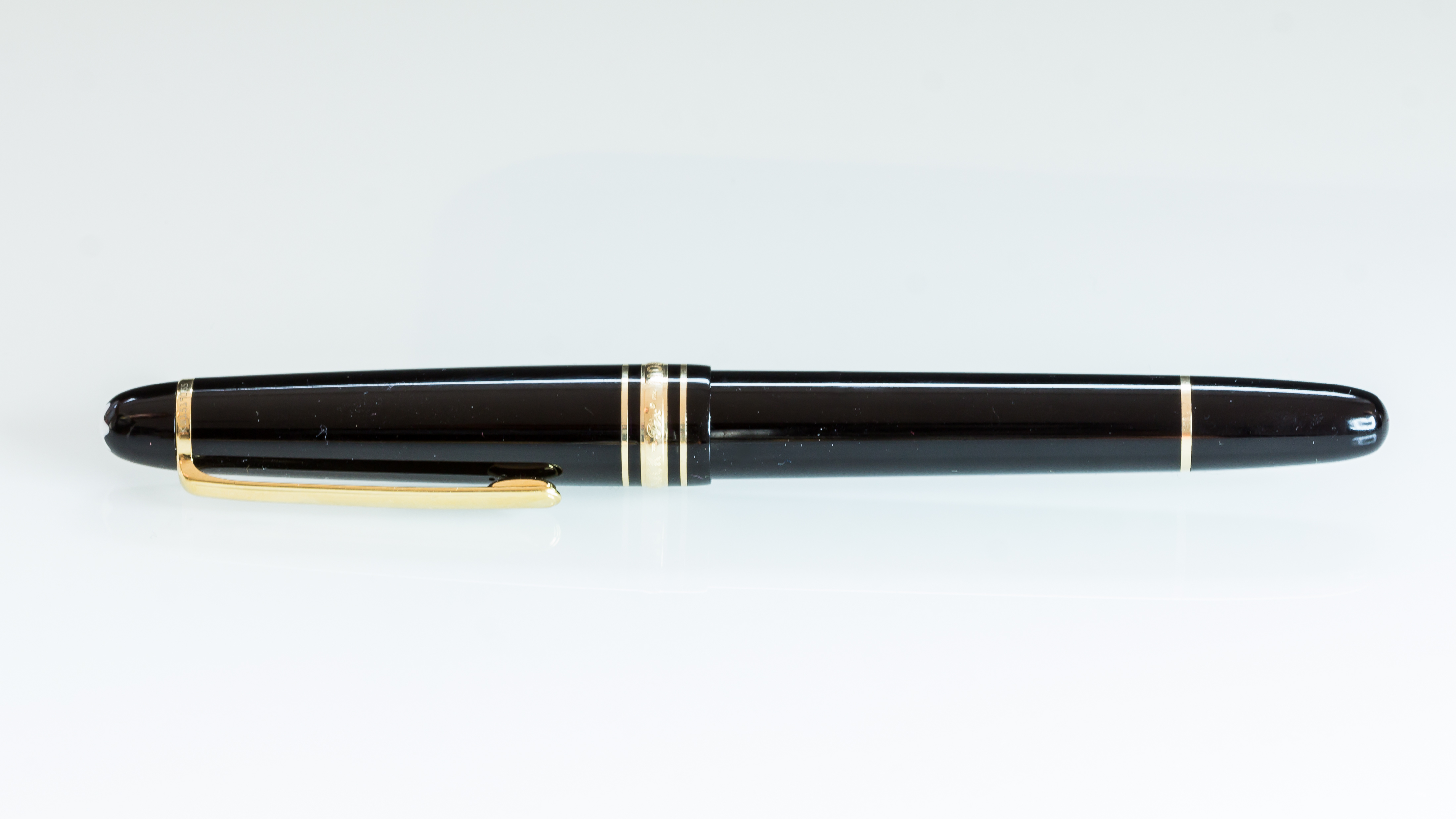
The vintage writing instrument market is substantial, with millions of pens and pencils produced annually throughout the 20th century. Montblanc's iconic Meisterstück line, launched in 1924, has sold tens of millions of units globally, with early models now fetching thousands of dollars. Parker's "51" pen, introduced in 1941, sold over 30 million units in its first decade alone. High-end vintage pens from brands like Pelikan and Waterman can command prices from hundreds to tens of thousands of dollars, depending on rarity, condition, and historical significance. The global market for collectible pens is estimated to be worth hundreds of millions of dollars annually, with auction sites like eBay listing tens of thousands of vintage writing instruments at any given time. Approximately 80% of fountain pens produced before 1950 used rubber sacs, which often require replacement during restoration.
👥 Key People & Organizations
Key figures in the development of vintage writing instruments include L.C. Waterman, whose capillary feed system revolutionized fountain pens in the late 19th century. George Parker founded the Parker Pen Company in 1888, introducing innovations like the "Lucky Curve" feed. Walter A. Sheaffer founded the Sheaffer Pen Company in 1913, known for its "lever filler" mechanism. August Eberstein and Claus Johannes Voss were instrumental in the founding of Montblanc in 1906, creating the "Simplo" pen which evolved into the iconic Meisterstück. Sampson Mordan is credited with significant early advancements in mechanical pencils in the UK. Organizations like the Pen Collectors of America and the Fountain Pen Hospital are vital hubs for enthusiasts, collectors, and restorers, preserving the legacy and facilitating the trade of these instruments.
🌍 Cultural Impact & Influence
Vintage writing instruments were more than just tools; they were symbols of status, education, and personal expression. The ability to write smoothly and reliably with a fountain pen conferred a certain gravitas, influencing everything from business correspondence to literary creation. Authors like Ernest Hemingway and John Steinbeck relied on their pens for their craft, their chosen instruments often becoming extensions of their creative process. The design of pens, particularly from the Art Deco and mid-century modern periods, reflected broader aesthetic trends, with materials like celluloid and intricate engraving showcasing a level of craftsmanship rarely seen today. The act of writing with a fountain pen, with its unique feel and ink flow, fostered a more deliberate and thoughtful approach to communication, contrasting sharply with the ephemeral nature of digital text. These instruments were central to the spread of literacy and the formalization of written communication across global cultures.
⚡ Current State & Latest Developments
The market for vintage writing instruments remains robust, driven by a passionate community of collectors, users, and restorers. Websites like Fountain Pen Network and numerous blogs and forums buzz with activity, discussing new acquisitions, restoration techniques, and historical details. Major pen shows, such as the Chicago Pen Show and the London Pen Show, draw thousands of attendees and vendors annually, showcasing rare and desirable pieces. While mass production of high-quality vintage pens ceased decades ago, the demand for well-maintained or restored examples continues. Companies specializing in restoration, like The Pen Shop and various independent restorers, are crucial to the ecosystem, ensuring these instruments remain functional. The rise of social media platforms like Instagram has further amplified interest, with visually appealing posts of vintage pens garnering significant engagement.
🤔 Controversies & Debates
One persistent debate revolves around the definition of "vintage" itself, with some purists adhering to pre-1970s criteria, while others extend it to include early examples of more modern designs. The authenticity and condition of vintage pens are constant points of contention; "restored" can mean anything from a simple cleaning to a complete overhaul, impacting value. The ethical sourcing of materials, particularly vintage celluloid and hard rubber, is also a consideration, though less debated than in other collecting fields. A more practical controversy involves the environmental impact of some restoration chemicals or the disposal of old, irreparable instruments. Furthermore, the increasing value of rare pieces has led to concerns about market manipulation and the authenticity of high-priced sales, particularly at auction.
🔮 Future Outlook & Predictions
The future for vintage writing instruments appears secure, sustained by a dedicated enthusiast base and the inherent appeal of analog craftsmanship. As digital fatigue grows, the tactile experience of writing with a well-made fountain pen or mechanical pencil offers a compelling alternative. Restoration techniques will continue to evolve, potentially incorporating 3D printing for rare replacement parts, though purists may balk. The market will likely see continued appreciation for historically significant or exceptionally rare pieces, while more common models will remain accessible entry points for new collectors. There's also a growing interest in the "patina" of age, with some collectors preferring instruments that show their history rather than being perfectly restored. Th
💡 Practical Applications
Vintage writing instruments offer a tangible connection to the past and a unique writing experience. They are used by collectors for their historical value and aesthetic appeal, by writers and artists for their distinctive feel and line variation, and by hobbyists for the satisfaction of restoration and maintenance. Their enduring presence in the market speaks to their functionality and the pleasure derived from using a well-crafted analog tool in an increasingly digital world.
Key Facts
- Category
- aesthetics
- Type
- topic