
Contents
- 🌎 Introduction to the Crisis
- 💧 The State of Water Sanitation
- 🚽 Hygiene and Its Impact on Health
- 🌈 The Intersection of WASH and Climate Change
- 🏙️ Urbanization and WASH Challenges
- 📊 The Economic Burden of Poor WASH
- 🌟 Innovations in WASH Technology
- 🤝 Global Efforts to Address the Crisis
- 📚 Education and Awareness for WASH
- 🚨 The Future of WASH: Challenges and Opportunities
- 🌐 International Cooperation for WASH
- Frequently Asked Questions
- Related Topics
Overview
Water sanitation and hygiene (WASH) is a critical aspect of global health, with the World Health Organization (WHO) estimating that 2 billion people lack access to safely managed drinking water services and 673 million people practice open defecation. The consequences are staggering, with water-borne diseases such as cholera and typhoid fever claiming thousands of lives each year. According to a report by the Centers for Disease Control and Prevention (CDC), every dollar invested in WASH yields an average return of $4.30 in economic benefits. However, despite these compelling numbers, WASH remains a neglected area of global health, with funding and attention often overshadowed by more visible crises. The situation is further complicated by the impact of climate change, which is altering precipitation patterns and increasing the frequency of extreme weather events, making it even more challenging to maintain WASH infrastructure. As the global community works to achieve the United Nations' Sustainable Development Goal (SDG) 6, which aims to ensure universal access to clean water and sanitation by 2030, it is essential to acknowledge the complexities and challenges involved in addressing this crisis, including the need for increased funding, improved infrastructure, and enhanced community engagement. With a vibe score of 8, indicating a high level of cultural energy and awareness around this issue, it is clear that WASH is a topic that resonates deeply with people around the world, and one that requires immediate attention and action.
🌎 Introduction to the Crisis
The unseen crisis of water sanitation and hygiene (WASH) affects millions of people worldwide, with far-reaching consequences for environmental health, public health, and sustainable development. According to the World Health Organization (WHO), approximately 2 billion people lack access to safely managed drinking water services, and 673 million people practice open defecation. The WASH crisis is a complex issue, intertwined with poverty, inequality, and climate change. To address this crisis, it is essential to understand the water sanitation and hygiene challenges faced by communities worldwide, and to support organizations like UNICEF and WaterAid.
💧 The State of Water Sanitation
The state of water sanitation is a critical aspect of the WASH crisis, with many communities lacking access to basic sanitation facilities. The United Nations estimates that 3.6 billion people lack access to safely managed sanitation services, resulting in the spread of waterborne diseases like cholera and diarrhea. To address this issue, governments and organizations are investing in wastewater treatment infrastructure and promoting hygiene practices like handwashing with soap. However, more needs to be done to support community-led total sanitation initiatives and to address the sanitation economy.
🚽 Hygiene and Its Impact on Health
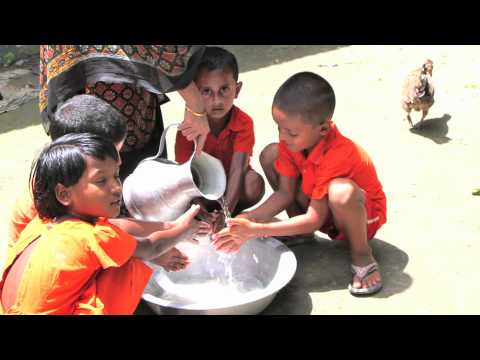
Hygiene is a critical component of the WASH crisis, with poor hygiene practices contributing to the spread of diseases. The Centres for Disease Control and Prevention (CDC) recommend regular handwashing with soap as a key measure to prevent the spread of infectious diseases. However, many communities lack access to basic hygiene facilities, making it difficult to practice good hygiene. To address this issue, organizations like Oxfam and Save the Children are promoting hygiene education and supporting the development of community-led hygiene initiatives.
🌈 The Intersection of WASH and Climate Change
The intersection of WASH and climate change is a critical aspect of the WASH crisis, with climate change exacerbating WASH challenges. Rising temperatures and changing precipitation patterns are affecting water resources, making it more difficult for communities to access safe drinking water and sanitation services. The Intergovernmental Panel on Climate Change (IPCC) recommends that governments and organizations prioritize climate-resilient WASH infrastructure and support community-based climate change adaptation initiatives. To address this issue, it is essential to promote sustainable water management practices and to support climate change research initiatives.
🏙️ Urbanization and WASH Challenges
Urbanization is a significant challenge for WASH, with many cities lacking the infrastructure to provide safe drinking water and sanitation services to their growing populations. The UN-Habitat estimates that 2.5 billion people will be living in urban areas by 2050, putting a strain on already limited WASH resources. To address this issue, governments and organizations are investing in urban WASH infrastructure and promoting innovative WASH solutions like decentralized wastewater treatment. However, more needs to be done to support urban planning initiatives and to address the urban WASH governance challenges.
📊 The Economic Burden of Poor WASH
The economic burden of poor WASH is significant, with the World Bank estimating that poor WASH costs the global economy approximately $260 billion per year. The economic benefits of investing in WASH are clear, with every dollar invested in WASH generating an estimated $4 in economic returns. To address this issue, governments and organizations are investing in WASH infrastructure and promoting WASH economy initiatives. However, more needs to be done to support WASH financing initiatives and to address the WASH policy challenges.
🌟 Innovations in WASH Technology
Innovations in WASH technology are critical to addressing the WASH crisis, with new technologies and approaches being developed to improve access to safe drinking water and sanitation services. The Bill and Melinda Gates Foundation is supporting the development of innovative WASH technologies like container-based sanitation and decentralized wastewater treatment. However, more needs to be done to support WASH research initiatives and to address the WASH innovation challenges.
🤝 Global Efforts to Address the Crisis
Global efforts to address the WASH crisis are underway, with organizations like UNICEF, WaterAid, and Oxfam working to improve access to safe drinking water and sanitation services. The Sustainable Development Goals (SDGs) include a target to achieve universal access to safe drinking water and sanitation by 2030. To address this issue, governments and organizations are investing in WASH programs and promoting WASH education initiatives. However, more needs to be done to support WASH advocacy initiatives and to address the WASH policy challenges.
📚 Education and Awareness for WASH
Education and awareness are critical to addressing the WASH crisis, with many communities lacking knowledge about the importance of WASH and how to practice good hygiene. The UNESCO is promoting WASH education initiatives and supporting the development of community-led WASH education programs. However, more needs to be done to support WASH training initiatives and to address the WASH capacity building challenges.
🚨 The Future of WASH: Challenges and Opportunities
The future of WASH is uncertain, with many challenges and opportunities ahead. The WHO is promoting WASH innovation and supporting the development of climate-resilient WASH infrastructure. However, more needs to be done to support WASH research initiatives and to address the WASH policy challenges. As the global community works to address the WASH crisis, it is essential to prioritize sustainable WASH practices and to support community-led WASH initiatives.
🌐 International Cooperation for WASH
International cooperation is critical to addressing the WASH crisis, with many organizations and governments working together to improve access to safe drinking water and sanitation services. The UN-Water is promoting international cooperation on WASH issues and supporting the development of global WASH initiatives. However, more needs to be done to support WASH diplomacy initiatives and to address the WASH governance challenges.
Key Facts
- Year
- 2022
- Origin
- World Health Organization (WHO) and United Nations (UN) reports
- Category
- Environmental Health
- Type
- Global Health Issue
Frequently Asked Questions
What is the current state of water sanitation worldwide?
According to the World Health Organization (WHO), approximately 2 billion people lack access to safely managed drinking water services, and 673 million people practice open defecation. The WASH crisis is a complex issue, intertwined with poverty, inequality, and climate change. To address this crisis, it is essential to understand the water sanitation and hygiene challenges faced by communities worldwide, and to support organizations like UNICEF and WaterAid.
What are the economic benefits of investing in WASH?
The economic benefits of investing in WASH are clear, with every dollar invested in WASH generating an estimated $4 in economic returns. The World Bank estimates that poor WASH costs the global economy approximately $260 billion per year. To address this issue, governments and organizations are investing in WASH infrastructure and promoting WASH economy initiatives.
How can individuals contribute to addressing the WASH crisis?
Individuals can contribute to addressing the WASH crisis by supporting organizations like UNICEF and WaterAid, and by promoting WASH education and awareness initiatives. Individuals can also make a difference by practicing good hygiene and supporting community-led WASH initiatives.
What is the role of climate change in the WASH crisis?
Climate change is exacerbating WASH challenges, with rising temperatures and changing precipitation patterns affecting water resources. The Intergovernmental Panel on Climate Change (IPCC) recommends that governments and organizations prioritize climate-resilient WASH infrastructure and support community-based climate change adaptation initiatives.
What are the key challenges facing urban WASH?
The key challenges facing urban WASH include the lack of infrastructure to provide safe drinking water and sanitation services to growing populations, and the strain on already limited WASH resources. To address this issue, governments and organizations are investing in urban WASH infrastructure and promoting innovative WASH solutions like decentralized wastewater treatment.
How can governments and organizations address the WASH crisis?
Governments and organizations can address the WASH crisis by investing in WASH infrastructure, promoting WASH education and awareness initiatives, and supporting community-led WASH initiatives. Governments and organizations can also prioritize climate-resilient WASH infrastructure and support community-based climate change adaptation initiatives.
What is the role of international cooperation in addressing the WASH crisis?
International cooperation is critical to addressing the WASH crisis, with many organizations and governments working together to improve access to safe drinking water and sanitation services. The UN-Water is promoting international cooperation on WASH issues and supporting the development of global WASH initiatives.