
Contents
Overview
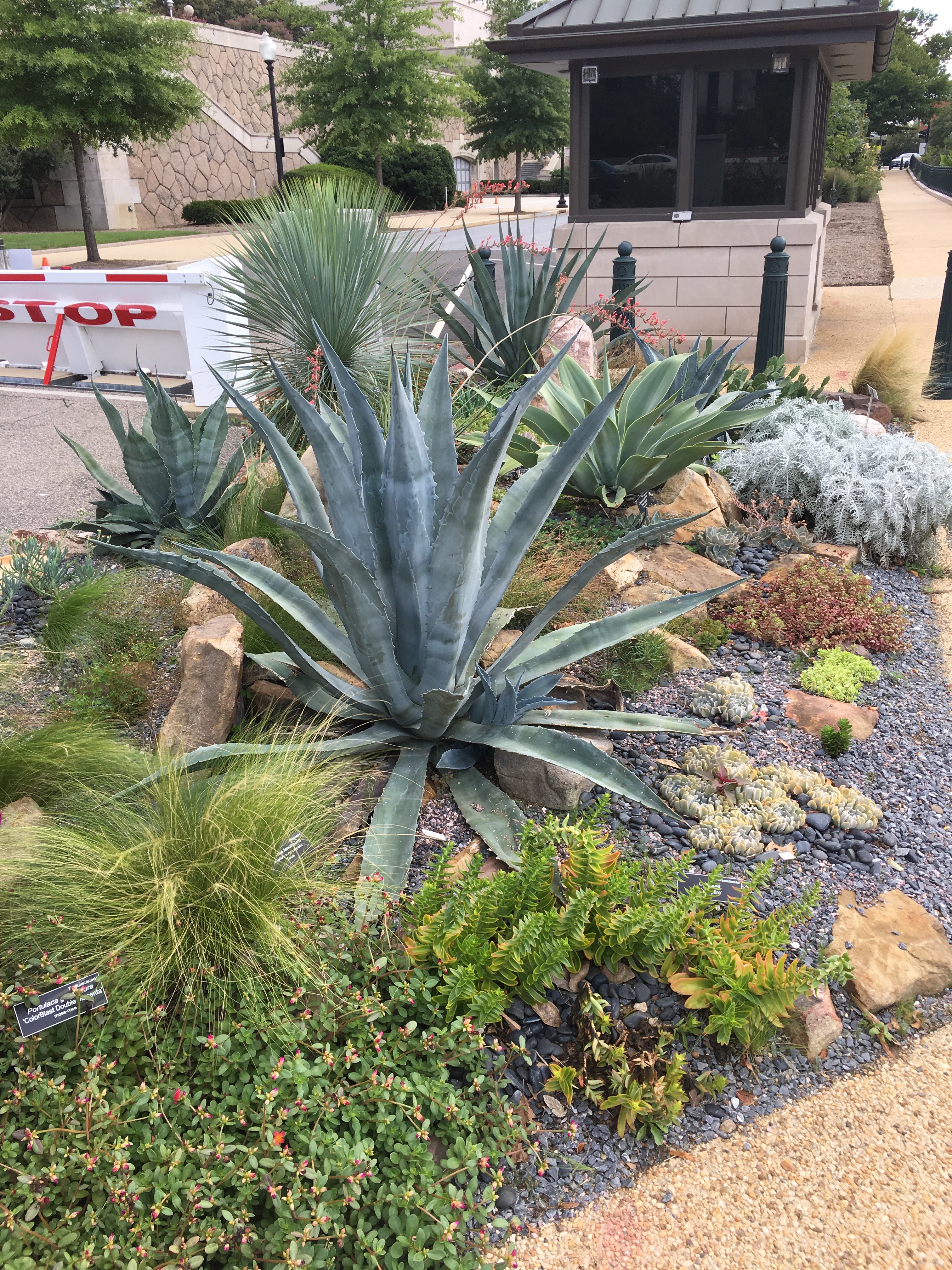
Xeriscaping is a method of landscaping designed to drastically reduce or eliminate the need for supplemental water. Originating from the Greek word 'xeros' (dry) and 'scaping' (forming), it's a holistic approach to garden design that prioritizes water conservation through intelligent plant selection, efficient irrigation, and thoughtful site planning. While often associated with arid regions, xeriscaping principles are applicable globally, aiming to create beautiful, sustainable outdoor spaces that thrive with minimal human intervention. It moves beyond simply planting drought-tolerant species, encompassing soil improvement, mulching, and appropriate maintenance to create resilient ecosystems that require less water, less mowing, and less overall upkeep, ultimately benefiting both the environment and the property owner.
🎵 Origins & History
The concept of xeriscaping, derived from the Greek word 'xeros' meaning 'dry', emerged as a direct response to increasing water scarcity concerns. While the term and its formalization are widely credited to Denver, Colorado, and the Denver Water Department's campaign in the early 1980s, the principles built upon earlier, less formalized efforts in regions like California and Arizona, which had long experimented with native and drought-tolerant plants. Proponents were instrumental in developing the core principles that guide xeriscaping today, emphasizing a systematic approach to water conservation in garden design and maintenance.
⚙️ How It Works
At its core, xeriscaping integrates key principles. First, careful planning and design ensure that water use is optimized, often by grouping plants with similar water needs together. Second, soil improvement with organic matter enhances water retention and reduces runoff. Third, practical turf areas are established, limiting grass to spaces that genuinely require it. Fourth, appropriate plant selection is paramount, favoring native or well-adapted species that thrive in the local climate with minimal irrigation. Fifth, efficient irrigation systems, such as drip irrigation or soaker hoses, deliver water directly to the root zone, minimizing evaporation. Sixth, the use of mulches, whether organic or inorganic, helps retain soil moisture and suppress weeds. Finally, regular maintenance, including appropriate pruning and weeding, ensures the landscape continues to function efficiently and conserve water over time.
📊 Key Facts & Numbers
Globally, water scarcity affects many people, making xeriscaping principles increasingly relevant. In the United States, xeriscaping can reduce outdoor water use compared to traditional lawns. A typical American lawn can consume a significant amount of water per household per year, a figure xeriscaping aims to significantly slash. In regions like Southern California, where outdoor water use can account for a large portion of total household consumption, xeriscaping initiatives have seen widespread adoption, with some municipalities offering rebates for turf removal. The global market for drought-tolerant plants is projected to grow substantially, indicating a rising demand for xeriscaping solutions.
👥 Key People & Organizations
Key figures in the development and promotion of xeriscaping include those who helped define its principles. The Denver Water Department played a pivotal role in popularizing the term and its associated practices through its extensive outreach programs. Organizations like the National Xeriscape Council (NXC) have been crucial in educating the public and professionals about water-wise landscaping. Many universities and horticultural societies, such as the University of Arizona Cooperative Extension and the Lady Bird Johnson Wildflower Center, actively research and promote xeriscaping through demonstration gardens and educational materials. Municipal water utilities across the United States, including those in Las Vegas, Nevada, and Phoenix, Arizona, have established dedicated xeriscaping demonstration gardens and rebate programs to encourage adoption.
🌍 Cultural Impact & Influence
Xeriscaping has significantly influenced urban planning and residential aesthetics, particularly in water-stressed regions. It has shifted the perception of what constitutes a beautiful and desirable landscape, moving away from the ubiquitous green lawn towards more diverse, textured, and ecologically functional gardens. The popularity of xeriscaping has spurred a boom in the nursery industry for drought-tolerant plants, succulents, and native species, impacting horticultural practices and consumer choices. Furthermore, it has fostered a greater public awareness of water conservation issues, influencing policy decisions and community initiatives aimed at sustainable water management. The aesthetic of xeriscaping has also permeated public spaces, parks, and commercial developments, demonstrating its viability and appeal beyond private residences.
⚡ Current State & Latest Developments
In 2024 and beyond, xeriscaping continues to gain momentum, driven by escalating climate change impacts and increasing water restrictions. Many municipalities are now mandating or incentivizing xeriscaping for new developments and offering substantial rebates for homeowners who convert water-intensive lawns to drought-tolerant landscapes. The development of advanced irrigation technologies, such as smart controllers that adjust watering schedules based on real-time weather data, further enhances xeriscaping's efficiency. There's also a growing trend towards incorporating edible xeriscapes, integrating drought-tolerant fruit trees, herbs, and vegetables into water-wise garden designs, blurring the lines between ornamental and functional landscaping. The rise of social media platforms like Instagram and Pinterest has also amplified the visual appeal and accessibility of xeriscaped gardens, inspiring a new generation of gardeners.
🤔 Controversies & Debates
One of the primary debates surrounding xeriscaping centers on aesthetics. Critics sometimes argue that xeriscaped landscapes can appear barren or uninviting, when compared to lush, traditional lawns and flower beds. This perception often stems from a misunderstanding of the principles, as well-designed xeriscapes can be incredibly diverse and visually appealing. Another point of contention involves the initial cost; while xeriscaping saves money on water bills and maintenance in the long run, the upfront investment in soil amendments, hardscaping, and specialized plants can be higher than traditional landscaping. Furthermore, the definition of 'native' can be complex, leading to debates about the ecological appropriateness of certain plant choices in specific microclimates, and concerns about invasive species being mistakenly incorporated into xeriscaping plans.
🔮 Future Outlook & Predictions
The future of xeriscaping is intrinsically linked to global water availability and climate resilience. As droughts become more frequent and intense, the adoption of xeriscaping principles is expected to become less of a choice and more of a necessity in many parts of the world. Innovations in water-harvesting techniques, such as rainwater catchment systems and greywater recycling, will likely be further integrated into xeriscaping designs, creating even more self-sufficient landscapes. We can anticipate a continued expansion of plant palettes, with ongoing research identifying and promoting an even wider array of beautiful and functional drought-tolerant species. The concept of 'rewilding' urban and suburban spaces with native xeriscaped gardens is also poised for growth, contributing to biodiversity and ecosystem health.
💡 Practical Applications
Xeriscaping offers a wide array of practical applications across diverse settings. In residential areas, it provides a sustainable and low-maintenance alternative to traditional lawns, reducing water bills and the need for frequent mowing and fertilizing. For commercial properties and public spaces, xeriscaping enhances curb appeal while significantly cutting operational costs associated with landscape maintenance and water consumption. Municipalities are increasingly implementing xeriscaping in parks, streetscapes, and median strips to conserve public water resources and create aesthetically pleasing, drought-resilient environments. Furthermore, xeriscaping principles are vital for new construction in arid and semi-arid regions, ensuring that development is water-wise from the outset, and can be applied in any climate to reduce water waste from runoff and evaporation.
Key Facts
- Category
- nature
- Type
- topic