
Contents
Overview
The Boston Marathon bombing was not an isolated incident but the culmination of a radicalization process that began years prior. Tamerlan Tsarnaev, the elder brother, had become increasingly devout and vocal about his extremist views, reportedly influenced by online propaganda. He traveled to Russia in 2012, spending six months in Dagestan, a region with a history of Islamist insurgency, where his radicalization is believed to have intensified. Upon his return to the United States, he and his younger brother, Dzhokhar, began planning the attack. Their motive, as later articulated by Dzhokhar, was to retaliate against the U.S. for its wars in Muslim countries. The choice of the Boston Marathon, a symbol of American athleticism and civic pride, was deliberate, aiming to inflict maximum casualties and sow terror.
⚙️ How It Works
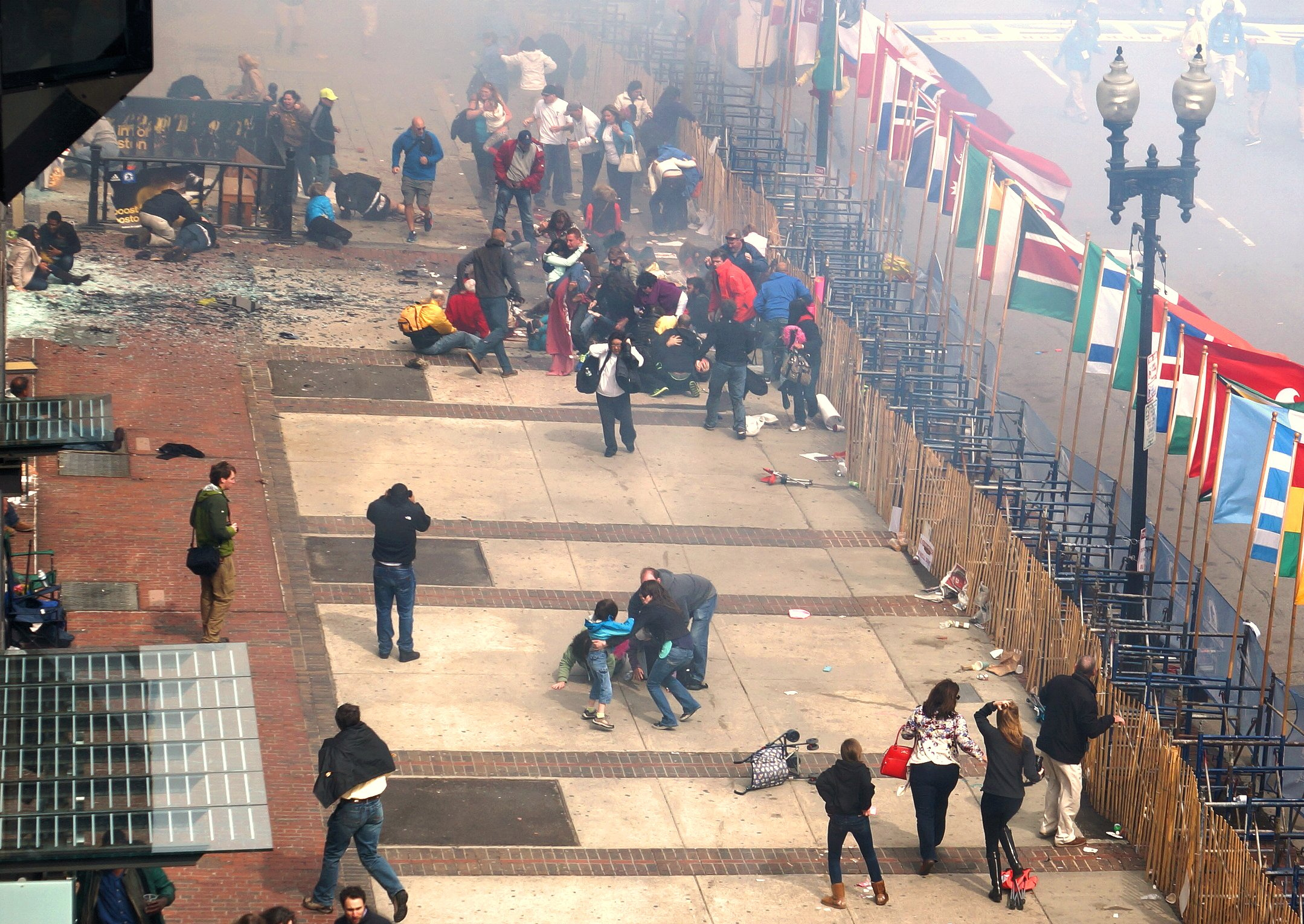
The bombs used in the attack were crude but effective devices constructed from common household items. The core components were two ordinary pressure cookers, modified to hold explosive material, likely gunpowder. These were packed into dark nylon backpacks and placed near the finish line of the Boston Marathon on Boylston Street. The detonation sequence involved a simple but deadly trigger mechanism. The brothers detonated the first device, followed by the second approximately 14 seconds later, 210 yards (190 meters) down the street. This staggered timing was intended to maximize casualties, as the second explosion would catch first responders and panicked crowds. The shrapnel, consisting of nails, ball bearings, and metal fragments, was designed to inflict severe injuries.
📊 Key Facts & Numbers
The attack resulted in immense human cost and significant economic impact. Three people were killed: Krystle Campbell, 29; Lingzi Lu, 23; and Martin Richard, 8. Over 260 people were injured, with 17 suffering catastrophic limb loss. The immediate aftermath saw the city of Boston and surrounding suburbs under lockdown for nearly 100 hours as law enforcement, led by the Federal Bureau of Investigation, conducted an extensive manhunt for the perpetrators. The cost of medical care for the injured has been estimated in the hundreds of millions of dollars, with many victims relying on long-term physical and psychological rehabilitation. The event also led to increased security measures at public gatherings nationwide, with an estimated cost of billions in enhanced surveillance and personnel.
👥 Key People & Organizations
Key figures in the aftermath of the bombing include the Tsarnaev brothers, Tamerlan and Dzhokhar, identified as the perpetrators. Tamerlan was killed during a police shootout in Watertown on April 19, 2013. Dzhokhar was captured later that night and subsequently convicted of 30 federal charges, including the use of weapons of mass destruction resulting in death. Key organizations involved in the investigation and response were the Federal Bureau of Investigation, the Boston Police Department, the Massachusetts State Police, and the Boston Fire Department. The victims' families, particularly the Richard family, became powerful advocates for peace and resilience. Dr. J. Keith McCurry, a trauma surgeon at Massachusetts General Hospital, played a critical role in treating the critically injured.
🌍 Cultural Impact & Influence
The Boston Marathon bombing had a profound and lasting impact on American society and culture. It spurred a national conversation about domestic terrorism, radicalization, and the effectiveness of counter-terrorism strategies. The event also highlighted the incredible resilience and unity of the Boston community, with the "Boston Strong" slogan becoming a symbol of defiance and solidarity. Media coverage was extensive, with numerous documentaries, books, and films produced, including the film 'Stronger' and the documentary 'Marathon: The Patriots Day Bombing'. The bombing influenced security protocols at major public events across the United States and globally, leading to increased surveillance and stricter access controls at marathons, concerts, and sporting events.
⚡ Current State & Latest Developments
In the years following the bombing, the focus has shifted towards long-term recovery for survivors and ongoing legal proceedings. Dzhokhar Tsarnaev remains in federal prison serving a life sentence. Appeals and further legal challenges regarding his sentencing have continued. Security measures at the Boston Marathon have been significantly enhanced, incorporating more sophisticated surveillance technology, increased law enforcement presence, and stricter bag checks. The event continues to be commemorated annually, serving as a reminder of the tragedy and the community's enduring spirit. Discussions around the psychological impact on survivors and first responders remain active.
🤔 Controversies & Debates
The bombing ignited significant debates surrounding domestic terrorism, radicalization, and the effectiveness of U.S. intelligence agencies. Questions were raised about whether Tamerlan Tsarnaev had been on the FBI's radar prior to the attack and if more could have been done to prevent it. The trial of Dzhokhar Tsarnaev also brought to the forefront discussions about the death penalty, its application, and its ethical implications. Furthermore, the role of social media in radicalization and the spread of extremist ideologies became a critical point of contention, leading to calls for greater oversight and intervention. The balance between national security and civil liberties in the wake of such attacks remains a persistent point of debate.
🔮 Future Outlook & Predictions
The legacy of the Boston Marathon bombing will likely continue to shape public safety strategies and counter-terrorism efforts. As technology advances, we can expect further integration of AI-powered surveillance and predictive analytics at large-scale public events. The psychological toll on survivors and communities affected by such trauma will also remain a critical area of focus, potentially leading to more robust mental health support systems. The legal ramifications of Dzhokhar Tsarnaev's case may also set precedents for future domestic terrorism trials. The event serves as a perpetual case study for understanding radicalization pathways and the complex interplay between geopolitical events and individual actions.
💡 Practical Applications
The primary practical application stemming from the Boston Marathon bombing is the enhancement of security protocols for mass public gatherings. This includes improved surveillance technologies, such as advanced CCTV systems and facial recognition software, as well as increased physical security measures like barriers and K-9 units. The development of rapid response medical teams and trauma care protocols has also been influenced by the bombing, aiming to provide immediate and effective care to victims of mass casualty events. Furthermore, the event has spurred greater collaboration between federal, state, and local law enforcement agencies, creating more integrated and efficient communication networks for threat assessment and incident response. The bombing also underscored the importance of community resilience programs and psychological support services for affected populations.
Key Facts
- Category
- history
- Type
- event