
Contents
- 📚 Introduction to Rapunzel
- 🌟 The Evolution of a Fairy Tale
- 📖 Literary Influences and Adaptations
- 👧 The Cultural Significance of Rapunzel
- 🌐 Global Variations and Interpretations
- 📊 The Economics of Fairy Tales
- 👫 The Brothers Grimm: Collectors and Editors
- 📆 A Timeline of Rapunzel's Publication History
- 🤔 Psychological Insights into Rapunzel's Character
- 🎨 Artistic Representations of Rapunzel
- 📺 Modern Adaptations and Pop Culture References
- Frequently Asked Questions
- Related Topics
Overview
Rapunzel, a character created by the Brothers Grimm in 1812, has become a cultural phenomenon, inspiring countless adaptations, interpretations, and reimaginings. With a Vibe score of 82, Rapunzel's story has been retold and reinterpreted in various forms of media, including films, stage productions, and literature. The tale of a princess with exceptionally long hair has been debated among scholars, with some arguing that it represents a symbol of feminine power and others seeing it as a reflection of societal pressures on women. The character's influence can be seen in popular culture, with references in music, art, and film. As a cultural icon, Rapunzel continues to evolve, with new adaptations and interpretations emerging every year. With a controversy spectrum of 6, the topic of Rapunzel's cultural significance and meaning remains a subject of discussion among scholars and fans alike.
📚 Introduction to Rapunzel
The story of Rapunzel has been a beloved fairy tale for centuries, with its origins dating back to the 17th century. The most well-known version of the tale was recorded by the Brothers Grimm and published in 1812 as part of Children's and Household Tales. This German fairy tale has undergone significant transformations over the years, influenced by earlier literary works such as Petrosinella by Giambattista Basile and Persinette by Charlotte-Rose de Caumont de La Force. The tale's enduring popularity can be attributed to its ability to evolve and adapt to different cultural contexts, as seen in various adaptations and interpretations, including Disney's Tangled.
🌟 The Evolution of a Fairy Tale
The evolution of Rapunzel as a fairy tale is a fascinating story in itself. The original tale, Petrosinella, was written by Giambattista Basile in 1634, and it was later adapted into Persinette by Charlotte-Rose de Caumont de La Force in 1698. The Brothers Grimm further developed the story, publishing their version in 1812. This process of adaptation and reinterpretation has continued to the present day, with numerous adaptations and reinterpretations of the tale, including Rapunzel's Tangled Adventure. The story's ability to evolve and adapt has contributed to its enduring popularity, allowing it to remain relevant in different cultural contexts, such as in Fairy Tale Fandom.
📖 Literary Influences and Adaptations
Rapunzel's literary influences and adaptations are a testament to the tale's versatility and appeal. The story has been influenced by earlier literary works, such as Petrosinella and Persinette, and has in turn influenced numerous adaptations and reinterpretations, including Disney's Tangled. The tale's themes and motifs, such as the tower and the hair, have been reinterpreted and reimagined in various contexts, including artistic representations and modern adaptations. The story's ability to inspire new creations and interpretations is a reflection of its cultural significance and enduring appeal, as seen in Rapunzel in Pop Culture.
👧 The Cultural Significance of Rapunzel
Rapunzel's cultural significance extends beyond its literary origins, with the tale having a profound impact on popular culture and society. The story's themes and motifs, such as the tower and the hair, have been reinterpreted and reimagined in various contexts, including artistic representations and modern adaptations. The tale's ability to inspire new creations and interpretations is a reflection of its cultural significance and enduring appeal, as seen in Rapunzel in Pop Culture. The story has also been subject to various interpretations and analyses, including psychological insights and feminist interpretations, which have further contributed to its cultural significance, as discussed in Feminism and Fairy Tales.
🌐 Global Variations and Interpretations
The global variations and interpretations of Rapunzel are a testament to the tale's versatility and appeal. The story has been adapted and reinterpreted in various cultural contexts, including Rapunzel in Asian Culture and Rapunzel in African Culture. The tale's themes and motifs, such as the tower and the hair, have been reimagined and reinterpreted in different cultural contexts, reflecting the diversity and richness of human experience, as seen in Cultural Diversity in Fairy Tales. The story's ability to inspire new creations and interpretations is a reflection of its cultural significance and enduring appeal, as seen in Rapunzel in Pop Culture.
📊 The Economics of Fairy Tales
The economics of fairy tales, including Rapunzel, are a significant aspect of the tale's cultural significance. The story has been adapted and reinterpreted in various forms of media, including film adaptations and stage adaptations. The tale's ability to inspire new creations and interpretations has contributed to its economic significance, with numerous adaptations and reinterpretations generating significant revenue, as discussed in The Economics of Fairy Tales. The story's cultural significance and enduring appeal have also contributed to its economic value, with the tale being used in various marketing and advertising campaigns, as seen in Fairy Tales in Advertising.
👫 The Brothers Grimm: Collectors and Editors
The Brothers Grimm, collectors and editors of Rapunzel, played a significant role in the tale's development and popularity. The brothers' collection of fairy tales, Children's and Household Tales, included Rapunzel, which was first published in 1812. The brothers' work on the tale, including their editing and adaptation of earlier versions, contributed to its enduring popularity and cultural significance, as seen in The Brothers Grimm and Fairy Tales. The brothers' legacy extends beyond their work on Rapunzel, with their collection of fairy tales having a profound impact on the genre as a whole, as discussed in The Influence of the Brothers Grimm.
📆 A Timeline of Rapunzel's Publication History
A timeline of Rapunzel's publication history reveals the tale's evolution and development over the centuries. The original tale, Petrosinella, was written by Giambattista Basile in 1634, and it was later adapted into Persinette by Charlotte-Rose de Caumont de La Force in 1698. The Brothers Grimm further developed the story, publishing their version in 1812. This process of adaptation and reinterpretation has continued to the present day, with numerous adaptations and reinterpretations of the tale, including Rapunzel's Tangled Adventure. The story's ability to evolve and adapt has contributed to its enduring popularity, allowing it to remain relevant in different cultural contexts, such as in Fairy Tale Fandom.
🤔 Psychological Insights into Rapunzel's Character
Psychological insights into Rapunzel's character offer a deeper understanding of the tale's themes and motifs. The story's portrayal of Rapunzel, including her hair and her tower, can be seen as a reflection of the human psyche, with the tale exploring themes such as isolation, loneliness, and the human desire for freedom, as discussed in Psychological Analysis of Fairy Tales. The story's ability to inspire new creations and interpretations is a reflection of its cultural significance and enduring appeal, as seen in Rapunzel in Pop Culture. The tale's psychological insights also offer a deeper understanding of the human experience, with the story exploring complex emotions and themes, such as Love and Romance in Fairy Tales.
🎨 Artistic Representations of Rapunzel
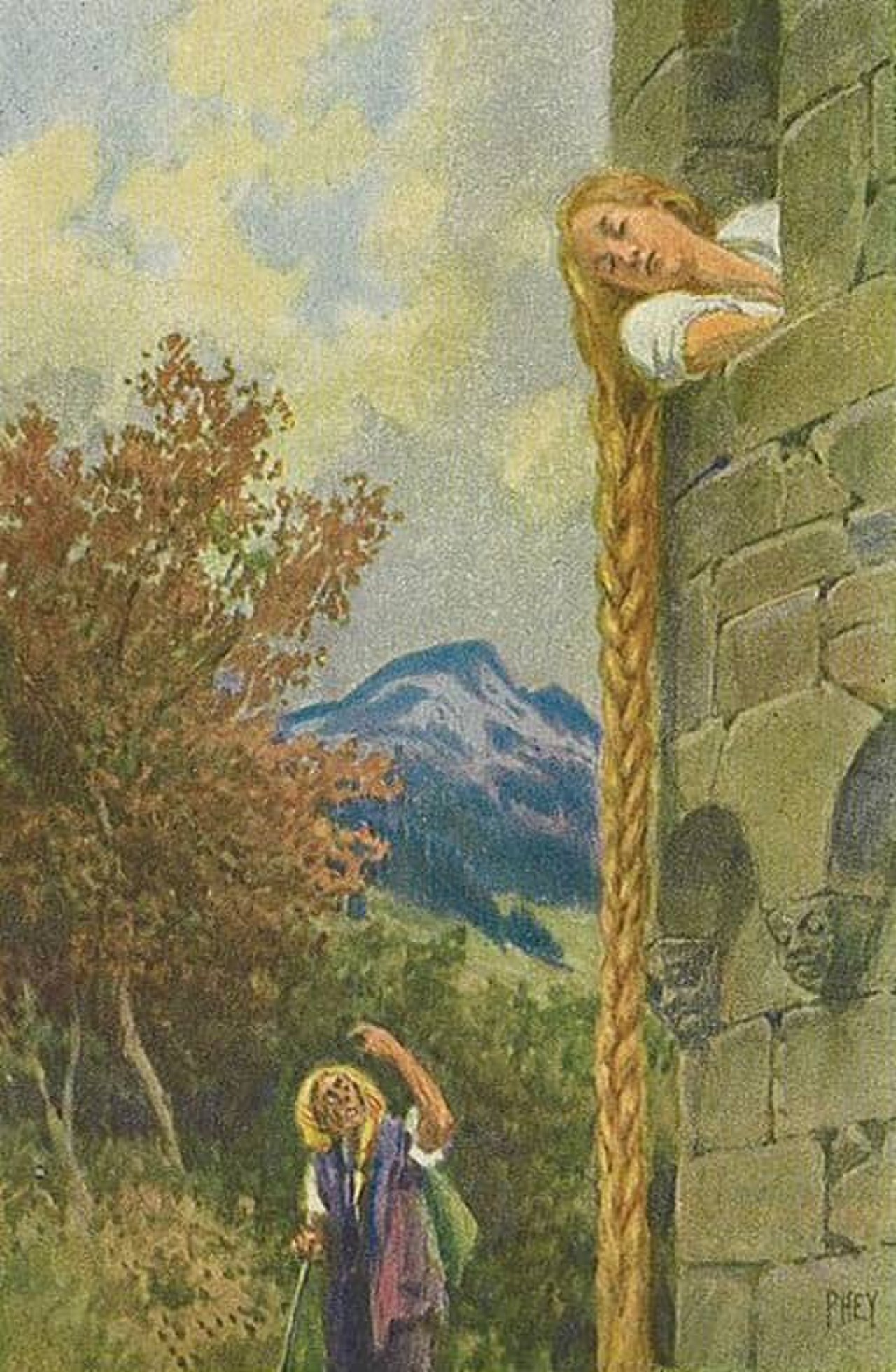
Artistic representations of Rapunzel have been a significant aspect of the tale's cultural significance. The story's themes and motifs, such as the tower and the hair, have been reimagined and reinterpreted in various forms of art, including paintings and illustrations. The tale's ability to inspire new creations and interpretations is a reflection of its cultural significance and enduring appeal, as seen in Rapunzel in Pop Culture. The story's artistic representations also offer a deeper understanding of the human experience, with the tale exploring complex emotions and themes, such as Beauty and the Beast.
📺 Modern Adaptations and Pop Culture References
Modern adaptations and pop culture references to Rapunzel have contributed to the tale's enduring popularity and cultural significance. The story has been adapted and reinterpreted in various forms of media, including film adaptations and stage adaptations. The tale's ability to inspire new creations and interpretations is a reflection of its cultural significance and enduring appeal, as seen in Rapunzel in Pop Culture. The story's modern adaptations and pop culture references also offer a deeper understanding of the human experience, with the tale exploring complex emotions and themes, such as Love and Romance in Fairy Tales.
Key Facts
- Year
- 1812
- Origin
- Germany
- Category
- Folklore and Fairy Tales
- Type
- Fairy Tale Character
Frequently Asked Questions
What is the origin of the story of Rapunzel?
The story of Rapunzel has its origins in the 17th century, with the earliest known version being Petrosinella by Giambattista Basile in 1634. The tale was later adapted into Persinette by Charlotte-Rose de Caumont de La Force in 1698, and finally developed into the version we know today by the Brothers Grimm in 1812. The story's evolution and development over the centuries have contributed to its enduring popularity and cultural significance, as seen in Rapunzel in Pop Culture.
What is the cultural significance of Rapunzel?
Rapunzel's cultural significance extends beyond its literary origins, with the tale having a profound impact on popular culture and society. The story's themes and motifs, such as the tower and the hair, have been reinterpreted and reimagined in various contexts, including artistic representations and modern adaptations. The tale's ability to inspire new creations and interpretations is a reflection of its cultural significance and enduring appeal, as seen in Rapunzel in Pop Culture. The story has also been subject to various interpretations and analyses, including psychological insights and feminist interpretations, which have further contributed to its cultural significance, as discussed in Feminism and Fairy Tales.
What are some modern adaptations of Rapunzel?
Modern adaptations of Rapunzel include Disney's Tangled, Rapunzel's Tangled Adventure, and various stage adaptations. The tale's ability to inspire new creations and interpretations is a reflection of its cultural significance and enduring appeal, as seen in Rapunzel in Pop Culture. The story's modern adaptations also offer a deeper understanding of the human experience, with the tale exploring complex emotions and themes, such as Love and Romance in Fairy Tales.
What is the psychological significance of Rapunzel's hair?
Rapunzel's hair is a significant aspect of the tale, with its length and beauty symbolizing the protagonist's isolation and loneliness. The hair can also be seen as a symbol of freedom and empowerment, with Rapunzel using it to escape from the tower and find her true love. The psychological significance of Rapunzel's hair offers a deeper understanding of the human experience, with the tale exploring complex emotions and themes, such as Psychological Analysis of Fairy Tales.
What is the influence of the Brothers Grimm on the tale of Rapunzel?
The Brothers Grimm played a significant role in the development and popularity of Rapunzel, with their collection of fairy tales, Children's and Household Tales, including the tale. The brothers' work on the tale, including their editing and adaptation of earlier versions, contributed to its enduring popularity and cultural significance, as seen in The Brothers Grimm and Fairy Tales. The brothers' legacy extends beyond their work on Rapunzel, with their collection of fairy tales having a profound impact on the genre as a whole, as discussed in The Influence of the Brothers Grimm.
What are some artistic representations of Rapunzel?
Artistic representations of Rapunzel include paintings and illustrations, which have been created by various artists over the centuries. The tale's themes and motifs, such as the tower and the hair, have been reimagined and reinterpreted in various forms of art, reflecting the diversity and richness of human experience, as seen in Cultural Diversity in Fairy Tales. The story's artistic representations also offer a deeper understanding of the human experience, with the tale exploring complex emotions and themes, such as Beauty and the Beast.
What is the significance of the tower in Rapunzel?
The tower in Rapunzel is a significant aspect of the tale, symbolizing the protagonist's isolation and loneliness. The tower can also be seen as a symbol of freedom and empowerment, with Rapunzel using it as a means to escape and find her true love. The significance of the tower offers a deeper understanding of the human experience, with the tale exploring complex emotions and themes, such as Psychological Analysis of Fairy Tales.