
Contents
- 🏛️ Introduction to the Taj Mahal
- 💔 The Love Story Behind the Taj Mahal
- 🏗️ Architecture and Design of the Taj Mahal
- 🌳 The Gardens and Layout of the Complex
- 🕊️ The Mosque and Guest House
- 👑 The Mughal Empire and Shah Jahan
- 🤝 Cultural Significance of the Taj Mahal
- 📸 Tourism and Conservation Efforts
- 🚨 Controversies Surrounding the Taj Mahal
- 🌟 The Taj Mahal's Enduring Legacy
- 📚 Historical Records and Preservation
- 👥 The People Behind the Taj Mahal's Construction
- Frequently Asked Questions
- Related Topics
Overview
The Taj Mahal, built by Mughal Emperor Shah Jahan in 1653, is a stunning example of Mughal architecture, blending Indian, Persian, and Islamic styles. With a vibe score of 92, this monument is a testament to the power of love and human creativity, attracting over 8 million visitors annually. However, its construction was not without controversy, with estimates suggesting that over 20,000 workers were involved in its construction, and many lost their lives in the process. The Taj Mahal's perfect proportions and intricate inlays of precious stones have made it a cultural icon, with influence flows tracing back to the Persian Empire and the Renaissance. Despite being widely reported as a symbol of eternal love, the monument's history is also marked by pessimistic views, with some historians questioning the true motives behind its construction. As a cultural phenomenon, the Taj Mahal continues to inspire and provoke, with a controversy spectrum that spans from optimistic views of its beauty to pessimistic critiques of its historical context.
🏛️ Introduction to the Taj Mahal
The Taj Mahal is one of the most recognizable landmarks in the world, attracting millions of visitors each year. Taj Mahal is a testament to the ingenuity and craftsmanship of the Mughal Empire. The complex is a masterpiece of Indian architecture, blending Persian architecture and Islamic architecture styles. The Taj Mahal's beauty is not just in its design, but also in the love story behind its construction. Shah Jahan built the Taj Mahal as a tribute to his beloved wife, Mumtaz Mahal.
💔 The Love Story Behind the Taj Mahal
The love story between Shah Jahan and Mumtaz Mahal is a famous one, with the two meeting in 1607 and getting married five years later. Mumtaz Mahal was a Persian princess who was known for her beauty and intelligence. Shah Jahan was deeply in love with her, and she became his constant companion. When Mumtaz Mahal died in 1631, Shah Jahan was devastated and decided to build a magnificent monument in her memory. The Taj Mahal took over 22 years to complete, with a workforce of over 20,000 laborers. Mughal architecture was at its peak during this period, and the Taj Mahal is a prime example of this style.
🏗️ Architecture and Design of the Taj Mahal
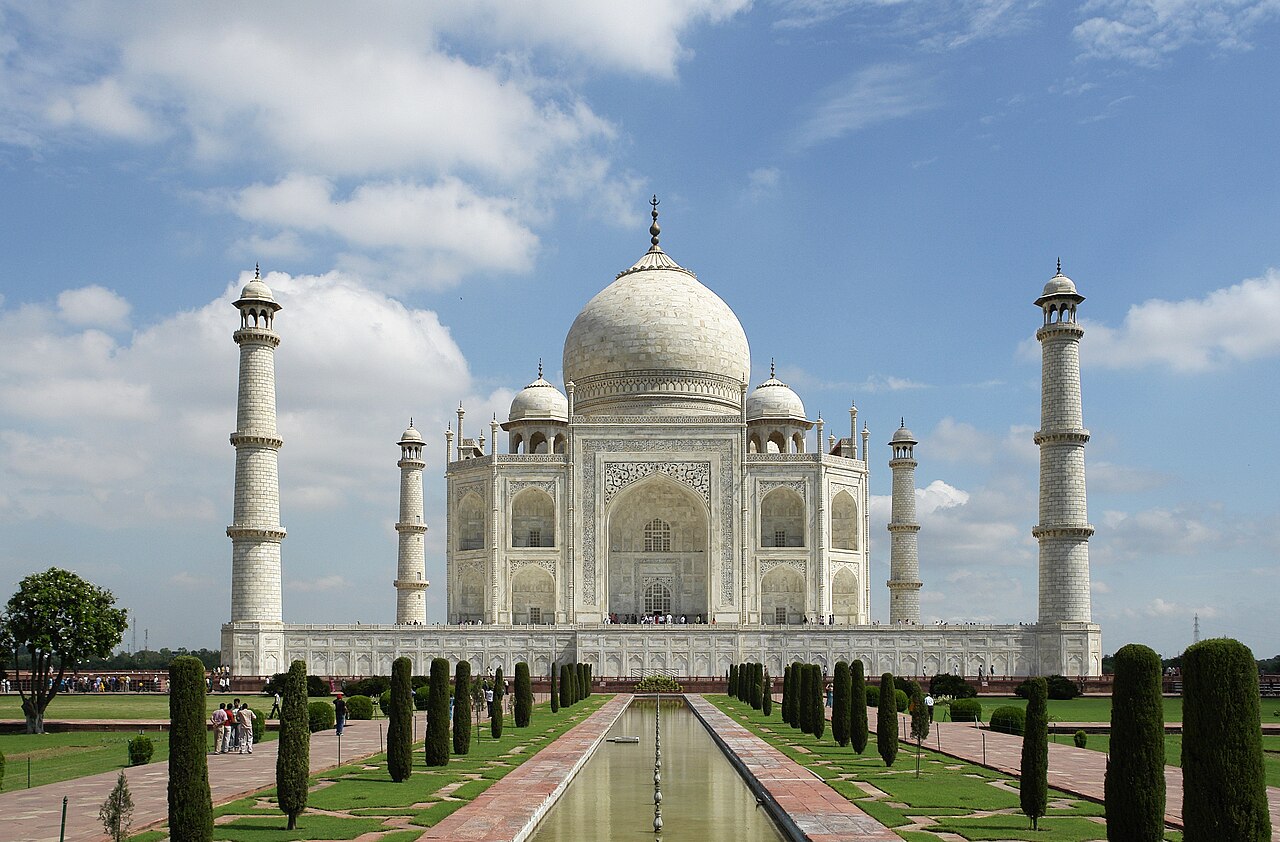
The architecture of the Taj Mahal is a blend of different styles, including Persian architecture, Islamic architecture, and Indian architecture. The complex is set in formal gardens, with a large reflecting pool in the center. The main building is made of white marble, with intricate inlay work and calligraphy. The four minarets surrounding the main building are designed to lean slightly outward, to prevent them from falling on the main building in case of an earthquake. Architecture plays a crucial role in the design of the Taj Mahal, with every element carefully planned and executed.
🌳 The Gardens and Layout of the Complex
The gardens and layout of the complex are designed to represent the Paradise Garden of the Islamic paradise. The complex is divided into four quadrants, with the main building in the center. The gardens are filled with flowers, trees, and fountains, creating a peaceful and serene atmosphere. The Taj Mahal is surrounded by a crenellated wall, with a large gate at the entrance. Landscape architecture plays a vital role in the design of the gardens, with every element carefully planned to create a sense of harmony and balance.
🕊️ The Mosque and Guest House
The mosque and guest house are located on either side of the main building, and are designed to provide a place for worship and accommodation for visitors. The mosque is a beautiful example of Islamic architecture, with intricate inlay work and calligraphy. The guest house is a large building with several rooms, and is designed to provide a comfortable place for visitors to stay. Hospitality is an important aspect of Indian culture, and the guest house reflects this tradition.
👑 The Mughal Empire and Shah Jahan
The Mughal Empire was a powerful and influential empire that ruled India for over 300 years. Shah Jahan was the fifth Mughal emperor, and is known for his military campaigns and his love of architecture. The Mughal Empire was a period of great cultural and artistic achievement, with the development of Mughal art and Mughal architecture. Mughal Empire was a major center of trade and commerce, with merchants and travelers coming from all over the world.
🤝 Cultural Significance of the Taj Mahal
The Taj Mahal has great cultural significance, not just in India but all over the world. It is a symbol of love and beauty, and is considered one of the most beautiful buildings in the world. The Taj Mahal is also an important part of Indian heritage, and is a source of great pride for the Indian people. Cultural significance of the Taj Mahal is evident in the many festivals and events that are held there throughout the year.
📸 Tourism and Conservation Efforts
The Taj Mahal is one of the most popular tourist destinations in the world, with over 8 million visitors each year. The Indian government has taken steps to conserve and protect the monument, including the creation of a Taj Mahal Preservation Authority. Tourism is a major contributor to the local economy, with many hotels, restaurants, and shops catering to visitors. However, the large number of visitors also poses a threat to the monument, with concerns about pollution and over-tourism.
🚨 Controversies Surrounding the Taj Mahal
Despite its beauty and cultural significance, the Taj Mahal is not without controversy. There are concerns about the environmental impact of tourism, as well as the commercialization of the monument. Some people have also raised questions about the historical accuracy of the Taj Mahal's history, with some claiming that it was built on a site of great spiritual significance. Controversy surrounds the Taj Mahal, with many different opinions and perspectives on its history and significance.
🌟 The Taj Mahal's Enduring Legacy
The Taj Mahal's enduring legacy is a testament to the power of love and beauty. It is a reminder of the importance of preservation and conservation, and the need to protect our cultural heritage for future generations. The Taj Mahal is a source of inspiration for artists, architects, and writers, and continues to be a popular subject for art and literature. Legacy of the Taj Mahal is a complex and multifaceted one, with many different aspects and interpretations.
📚 Historical Records and Preservation
The historical records of the Taj Mahal are well-documented, with many historical documents and archaeological finds providing insight into its history. The Taj Mahal is considered one of the most important historical monuments in the world, and is a UNESCO World Heritage Site. Preservation efforts are ongoing, with the Indian government and international organizations working to protect the monument and its surroundings.
👥 The People Behind the Taj Mahal's Construction
The people behind the Taj Mahal's construction are a fascinating topic of study. Shah Jahan was the driving force behind the project, but there were many other people involved in its design and construction. The architects and engineers who worked on the Taj Mahal were skilled craftsmen who brought the emperor's vision to life. Laborers from all over India and beyond worked on the project, often in difficult conditions. Ustad Ahmad Lahori was the main architect of the Taj Mahal, and is credited with designing the complex.
Key Facts
- Year
- 1653
- Origin
- Agra, India
- Category
- History, Architecture, Culture
- Type
- Historical Monument
Frequently Asked Questions
What is the Taj Mahal?
The Taj Mahal is a beautiful white marble mausoleum located in Agra, India. It was built by the Mughal emperor Shah Jahan as a tribute to his beloved wife, Mumtaz Mahal. The Taj Mahal is considered one of the most beautiful buildings in the world and is a UNESCO World Heritage Site. It is a symbol of love and beauty, and is a source of great pride for the Indian people. Taj Mahal is a must-visit destination for anyone interested in history, architecture, and culture.
Who built the Taj Mahal?
The Taj Mahal was built by the Mughal emperor Shah Jahan as a tribute to his beloved wife, Mumtaz Mahal. The main architect of the Taj Mahal was Ustad Ahmad Lahori, who designed the complex and oversaw its construction. The Taj Mahal took over 22 years to complete, with a workforce of over 20,000 laborers. Mughal Empire was at its peak during this period, and the Taj Mahal is a prime example of Mughal architecture.
What is the significance of the Taj Mahal?
The Taj Mahal is a symbol of love and beauty, and is considered one of the most beautiful buildings in the world. It is a source of great pride for the Indian people and is a UNESCO World Heritage Site. The Taj Mahal is also an important part of Indian heritage, and is a reminder of the country's rich cultural and historical heritage. Cultural significance of the Taj Mahal is evident in the many festivals and events that are held there throughout the year. The Taj Mahal is a must-visit destination for anyone interested in history, architecture, and culture.
How many visitors does the Taj Mahal receive each year?
The Taj Mahal receives over 8 million visitors each year, making it one of the most popular tourist destinations in the world. The Indian government has taken steps to conserve and protect the monument, including the creation of a Taj Mahal Preservation Authority. Tourism is a major contributor to the local economy, with many hotels, restaurants, and shops catering to visitors. However, the large number of visitors also poses a threat to the monument, with concerns about pollution and over-tourism.
What are the main features of the Taj Mahal?
The main features of the Taj Mahal include its beautiful white marble exterior, its intricate inlay work and calligraphy, and its stunning gardens and fountains. The complex is surrounded by a crenellated wall, with a large gate at the entrance. The Taj Mahal is a masterpiece of Indian architecture, blending Persian architecture and Islamic architecture styles. The four minarets surrounding the main building are designed to lean slightly outward, to prevent them from falling on the main building in case of an earthquake.
What is the history of the Taj Mahal?
The history of the Taj Mahal dates back to the 17th century, when it was built by the Mughal emperor Shah Jahan as a tribute to his beloved wife, Mumtaz Mahal. The Taj Mahal took over 22 years to complete, with a workforce of over 20,000 laborers. The complex is a masterpiece of Mughal architecture, blending Persian architecture and Islamic architecture styles. The Taj Mahal has a rich and complex history, with many different historical events and cultural influences shaping its design and construction.
What is the cultural significance of the Taj Mahal?
The cultural significance of the Taj Mahal is immense, with the monument being a symbol of love and beauty. It is a source of great pride for the Indian people and is a reminder of the country's rich cultural and historical heritage. The Taj Mahal is also an important part of Indian heritage, and is a UNESCO World Heritage Site. Cultural significance of the Taj Mahal is evident in the many festivals and events that are held there throughout the year. The Taj Mahal is a must-visit destination for anyone interested in history, architecture, and culture.