
Contents
Overview
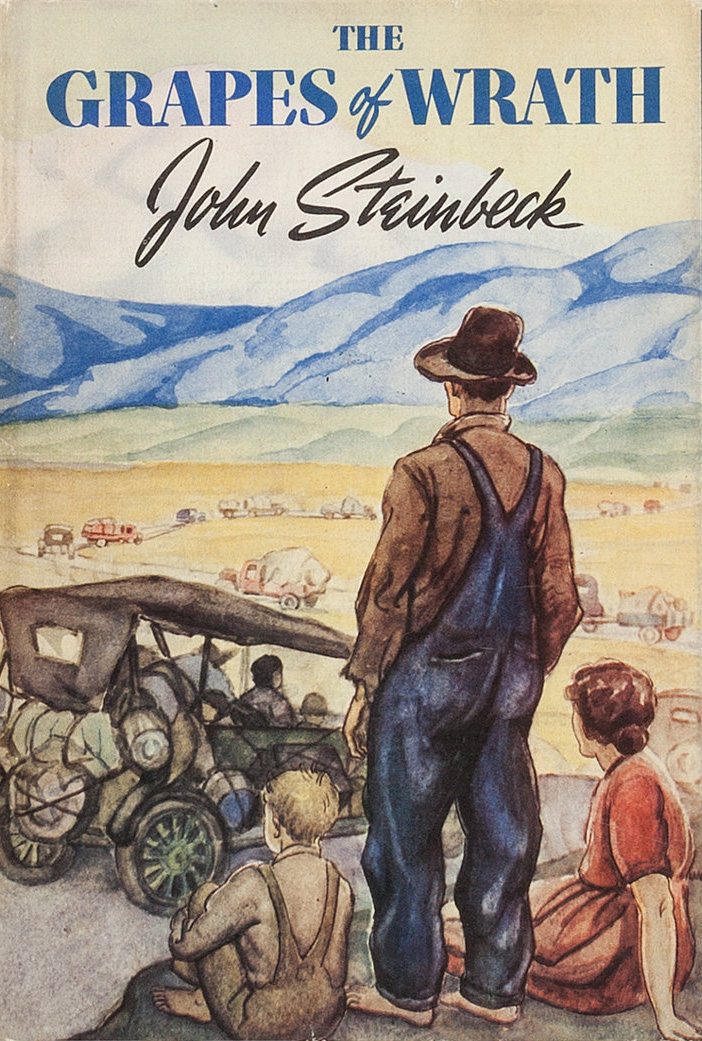
The genesis of The Grapes of Wrath lies in John Steinbeck's deep engagement with the plight of migrant farmworkers in California during the 1930s. Steinbeck had previously explored similar themes in his 1936 novella In Dubious Battle, which documented a California agricultural strike. His reporting for the San Francisco News in 1936, detailing the squalid conditions in migrant camps, provided crucial firsthand material. The novel's narrative was heavily influenced by the Okies, migrants from Oklahoma and surrounding states who fled the Dust Bowl, a catastrophic environmental disaster exacerbated by poor farming practices and severe drought. Steinbeck's research was also informed by his personal experiences and conversations with these displaced families, solidifying his commitment to giving voice to their suffering and resilience. The novel was published by Viking Press on April 14, 1939, immediately sparking widespread attention and debate.
⚙️ How It Works
The Grapes of Wrath operates on two narrative levels: the epic, overarching story of the Joad family's migration and the more philosophical, interchapter passages that offer broader social and economic commentary. The Joads' journey from Oklahoma to California is depicted with gritty realism, detailing their dilapidated Ford Model AA truck, their dwindling resources, and the constant threat of starvation and exploitation. Steinbeck employs a unique narrative technique, alternating between the intimate struggles of the Joads and symbolic, almost biblical, interludes that reflect on the broader societal forces at play. These interchapters, often featuring themes of collective action and the dehumanizing effects of industrial agriculture, provide a critical lens through which the family's personal saga is understood. The novel's structure mirrors the vast, impersonal forces driving the migration, contrasting the individual plight with the collective experience of the displaced.
📊 Key Facts & Numbers
The central figures of The Grapes of Wrath are the Joad family, particularly Ma Joad, the stoic matriarch who embodies resilience, and Tom Joad, the protagonist returning from prison who grapples with injustice. John Steinbeck, the author, is the architect of this narrative, drawing on his experiences and observations. Carol Steinbeck, his wife, is credited with suggesting the title, which comes from the biblical passage in Isaiah 25:6. The United States Department of Agriculture's policies and the actions of large agricultural corporations are implicit antagonists, shaping the economic landscape that forces the Joads' displacement. The Federal Writers' Project also played a role in documenting the era's social conditions, indirectly contributing to the context of Steinbeck's work.
👥 Key People & Organizations
The Grapes of Wrath reportedly continues to be a vital text, its relevance amplified by contemporary issues of economic disparity, climate-induced migration, and the struggles of marginalized communities. Discussions surrounding the novel frequently intersect with current events, such as debates on immigration policy and the impact of agricultural industrialization on rural economies. Modern academic analyses often explore its ecological themes in light of ongoing climate change and its portrayal of collective action in the context of contemporary labor movements. The novel's themes are also being re-examined through the lens of intersectionality, considering how race, gender, and class intersected with the experiences of migrant workers. Furthermore, digital humanities projects are increasingly utilizing the text for linguistic analysis and historical contextualization, ensuring its continued engagement with new generations of readers and scholars.
🌍 Cultural Impact & Influence
The publication of The Grapes of Wrath was met with immediate and fierce controversy. In many communities, particularly in California, the novel was banned and burned due to its perceived negative portrayal of the state and its residents, and its sympathetic depiction of migrant workers. Critics accused Steinbeck of being a communist sympathizer and of misrepresenting the conditions of migrant camps. The Kern County Board of Supervisors even attempted to ban the book and prosecute Steinbeck for libel, though these efforts ultimately failed. The novel's unflinching depiction of poverty, hunger, and exploitation challenged the prevailing narrative of American exceptionalism and economic prosperity, leading to heated debates about its accuracy and its social impact. This controversy, however, also served to amplify its message and draw further attention to the plight of the displaced.
Key Facts
- Category
- culture
- Type
- topic