
Contents
- 🚨 Introduction to Ticket Fraud
- 📊 The Economics of Ticket Fraud
- 👮♂️ Law Enforcement and Ticket Fraud
- 🤝 The Role of Event Organizers in Preventing Ticket Fraud
- 🚫 Types of Ticket Fraud
- 📈 The Rise of Online Ticketing and Ticket Fraud
- 👀 The Impact of Ticket Fraud on Consumers
- 📊 The Cost of Ticket Fraud to the Economy
- 🔍 Investigating Ticket Fraud
- 🚫 Preventing Ticket Fraud: Best Practices
- 🤝 Collaboration and Information Sharing to Combat Ticket Fraud
- 🔮 The Future of Ticketing and Ticket Fraud Prevention
- Frequently Asked Questions
- Related Topics
Overview
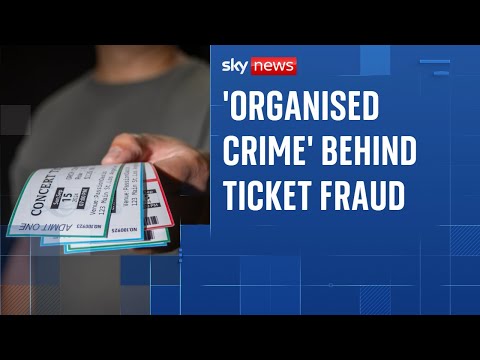
Ticket fraud is a pervasive issue that affects the global ticketing industry, with estimated losses exceeding $10 billion annually. According to a report by the National Association of Ticket Brokers, 12% of all tickets sold online are counterfeit, with the majority being sold on unverified resale sites. The rise of online ticketing platforms has created new opportunities for scammers to exploit unsuspecting buyers, with many using sophisticated tactics like phishing and social engineering to obtain sensitive information. As the ticketing industry continues to evolve, it's essential to develop more effective measures to combat ticket fraud, such as implementing robust verification processes and increasing awareness among consumers. The impact of ticket fraud extends beyond financial losses, with many fans being left disappointed and disillusioned after discovering they've been scammed. As the industry moves forward, it's crucial to prioritize transparency and accountability to prevent ticket fraud from becoming an even more significant problem.
🚨 Introduction to Ticket Fraud
The world of ticketing has a dark side, with ticket fraud being a significant concern for event organizers, law enforcement, and consumers alike. Ticket fraud can take many forms, from counterfeit tickets to scams involving ticket resale. According to the National Consumer League, ticket fraud is a growing problem, with many consumers losing money to scammers. To combat ticket fraud, it's essential to understand the economics behind it and the role of event organizers in preventing it.
📊 The Economics of Ticket Fraud
The economics of ticket fraud are complex, with scammers using various tactics to obtain and resell tickets. One common method is price gouging, where scammers buy up tickets and resell them at inflated prices. This practice not only hurts consumers but also event organizers, who lose revenue to scammers. To prevent ticket fraud, event organizers must work with law enforcement to identify and prosecute scammers. Additionally, consumers must be aware of the risks of online ticketing and take steps to protect themselves from ticket scams.
👮♂️ Law Enforcement and Ticket Fraud
Law enforcement plays a crucial role in combating ticket fraud, but it's often a challenging task. Scammers use various tactics to evade detection, including encrypted communication and fake websites. To combat these tactics, law enforcement must work with event organizers and online marketplaces to identify and prosecute scammers. Additionally, consumers must report any suspicious activity to the authorities, such as reporting ticket fraud. By working together, we can prevent ticket fraud and protect consumers from scammers.
🤝 The Role of Event Organizers in Preventing Ticket Fraud
Event organizers have a significant role to play in preventing ticket fraud. One way to do this is by implementing ticket authentication systems, which can help identify counterfeit tickets. Additionally, event organizers can work with law enforcement to identify and prosecute scammers. By taking these steps, event organizers can help prevent ticket fraud and protect consumers. Furthermore, event organizers can educate consumers about the risks of online ticketing and provide them with information on how to protect themselves from ticket fraud.
🚫 Types of Ticket Fraud
There are several types of ticket fraud, including counterfeit tickets, ticket scams, and price gouging. Counterfeit tickets are fake tickets that are created to look like real tickets, while ticket scams involve scammers selling non-existent tickets or tickets that are not valid. Price gouging, on the other hand, involves scammers buying up tickets and reselling them at inflated prices. To prevent these types of ticket fraud, consumers must be aware of the risks and take steps to protect themselves, such as checking the authenticity of tickets and being cautious when buying tickets online.
📈 The Rise of Online Ticketing and Ticket Fraud
The rise of online ticketing has made it easier for scammers to commit ticket fraud. With the click of a button, scammers can create fake websites and sell non-existent tickets to unsuspecting consumers. To prevent this type of ticket fraud, consumers must be aware of the risks and take steps to protect themselves, such as researching the seller and checking for reviews. Additionally, event organizers can work with online marketplaces to identify and prosecute scammers. By working together, we can prevent ticket fraud and protect consumers from scammers.
👀 The Impact of Ticket Fraud on Consumers
The impact of ticket fraud on consumers can be significant, with many people losing money to scammers. According to the Federal Trade Commission, ticket fraud is a growing problem, with many consumers reporting losses to scammers. To prevent ticket fraud, consumers must be aware of the risks and take steps to protect themselves, such as being cautious when buying tickets online and checking the authenticity of tickets. Additionally, consumers can report any suspicious activity to the authorities, such as reporting ticket fraud.
📊 The Cost of Ticket Fraud to the Economy
The cost of ticket fraud to the economy is significant, with many businesses losing revenue to scammers. According to the National Consumer League, ticket fraud costs the economy millions of dollars each year. To prevent ticket fraud, event organizers must work with law enforcement to identify and prosecute scammers. Additionally, consumers must be aware of the risks and take steps to protect themselves, such as researching the seller and checking for reviews. By working together, we can prevent ticket fraud and protect the economy from scammers.
🔍 Investigating Ticket Fraud
Investigating ticket fraud can be a challenging task, but it's essential to preventing ticket fraud. Law enforcement must work with event organizers and online marketplaces to identify and prosecute scammers. Additionally, consumers must report any suspicious activity to the authorities, such as reporting ticket fraud. By working together, we can prevent ticket fraud and protect consumers from scammers. Furthermore, investigators can use various tools and techniques to track down scammers, such as analyzing financial transactions and monitoring online activity.
🚫 Preventing Ticket Fraud: Best Practices
Preventing ticket fraud requires a multi-faceted approach, including ticket authentication systems, consumer education, and law enforcement efforts. Event organizers can implement ticket authentication systems to help identify counterfeit tickets, while consumers can educate themselves about the risks of online ticketing and take steps to protect themselves. Additionally, law enforcement can work with event organizers and online marketplaces to identify and prosecute scammers. By working together, we can prevent ticket fraud and protect consumers from scammers.
🤝 Collaboration and Information Sharing to Combat Ticket Fraud
Collaboration and information sharing are essential to combating ticket fraud. Event organizers, law enforcement, and online marketplaces must work together to identify and prosecute scammers. Additionally, consumers must report any suspicious activity to the authorities, such as reporting ticket fraud. By sharing information and working together, we can prevent ticket fraud and protect consumers from scammers. Furthermore, collaboration can help to identify patterns and trends in ticket fraud, allowing for more effective prevention and prosecution efforts.
🔮 The Future of Ticketing and Ticket Fraud Prevention
The future of ticketing and ticket fraud prevention is uncertain, but one thing is clear: technology will play a significant role. With the rise of blockchain technology and artificial intelligence, it's possible to create more secure and transparent ticketing systems. Additionally, event organizers and law enforcement can use data analytics to identify and prosecute scammers. By embracing new technologies and working together, we can prevent ticket fraud and protect consumers from scammers.
Key Facts
- Year
- 2022
- Origin
- Global ticketing industry
- Category
- Crime and Security
- Type
- Financial Crime
Frequently Asked Questions
What is ticket fraud?
Ticket fraud is a type of scam where scammers sell non-existent or counterfeit tickets to unsuspecting consumers. It can take many forms, including counterfeit tickets, ticket scams, and price gouging. To prevent ticket fraud, consumers must be aware of the risks and take steps to protect themselves, such as being cautious when buying tickets online and checking the authenticity of tickets.
How can I protect myself from ticket fraud?
To protect yourself from ticket fraud, you should be cautious when buying tickets online and check the authenticity of tickets. You can also research the seller and check for reviews. Additionally, you can report any suspicious activity to the authorities, such as reporting ticket fraud. It's also essential to work with reputable ticket sellers and to be aware of the risks of online ticketing.
What are the consequences of ticket fraud?
The consequences of ticket fraud can be significant, with many consumers losing money to scammers. According to the Federal Trade Commission, ticket fraud is a growing problem, with many consumers reporting losses to scammers. Additionally, ticket fraud can damage the reputation of event organizers and hurt the economy. To prevent ticket fraud, it's essential to work together and share information, such as collaboration and information sharing.
How can event organizers prevent ticket fraud?
Event organizers can prevent ticket fraud by implementing ticket authentication systems, working with law enforcement to identify and prosecute scammers, and educating consumers about the risks of online ticketing. Additionally, event organizers can work with online marketplaces to identify and prosecute scammers. By taking these steps, event organizers can help prevent ticket fraud and protect consumers from scammers.
What is the role of law enforcement in preventing ticket fraud?
Law enforcement plays a crucial role in preventing ticket fraud, working with event organizers and online marketplaces to identify and prosecute scammers. Law enforcement can also provide education and awareness to consumers about the risks of ticket fraud and how to protect themselves. Additionally, law enforcement can use various tools and techniques to track down scammers, such as analyzing financial transactions and monitoring online activity.
How can I report ticket fraud?
If you suspect that you have been a victim of ticket fraud, you should report it to the authorities immediately. You can report ticket fraud to the Federal Trade Commission or to your local law enforcement agency. Additionally, you can report suspicious activity to the event organizer or to the online marketplace where you purchased the tickets. It's essential to provide as much information as possible, such as providing detailed information about the scam.
What are the most common types of ticket fraud?
The most common types of ticket fraud include counterfeit tickets, ticket scams, and price gouging. Counterfeit tickets are fake tickets that are created to look like real tickets, while ticket scams involve scammers selling non-existent tickets or tickets that are not valid. Price gouging, on the other hand, involves scammers buying up tickets and reselling them at inflated prices. To prevent these types of ticket fraud, consumers must be aware of the risks and take steps to protect themselves.