
Contents
- 🏯 Introduction to Tokugawa Iemitsu
- 📆 Early Life and Reign
- 🔒 The Isolationist Policies of Sakoku
- 🚫 The Exclusion of Foreigners
- 📝 The Role of the Shogun in Japanese Society
- 🏞️ Economic and Cultural Developments
- 🤝 Relations with the Imperial Court
- 🚨 Challenges to Tokugawa Rule
- 💡 Legacy of Tokugawa Iemitsu
- 📊 Historical Significance and Impact
- 📚 Conclusion and Further Reading
- Frequently Asked Questions
- Related Topics
Overview
Tokugawa Iemitsu, who ruled from 1623 to 1651, was a pivotal figure in Japanese history, known for his role in solidifying the Tokugawa shogunate and implementing the sakoku policy, which effectively isolated Japan from the rest of the world. This period, marked by the expulsion of foreigners and the suppression of Christianity, had profound effects on Japan's cultural, economic, and political development. Iemitsu's reign was also characterized by the consolidation of power, the establishment of a rigid social hierarchy, and significant urban development, particularly in Edo (modern-day Tokyo). The sakoku policy, while intended to preserve the stability of the shogunate, had the unintended consequence of stifling Japan's technological and scientific progress, leaving it vulnerable to Western influence in the centuries to come. Despite these controversial policies, Iemitsu's legacy remains complex, reflecting both the preservation of traditional Japanese culture and the missed opportunities for engagement with the global community. His influence can still be seen in the modern Japanese identity and its relationship with the world.
🏯 Introduction to Tokugawa Iemitsu
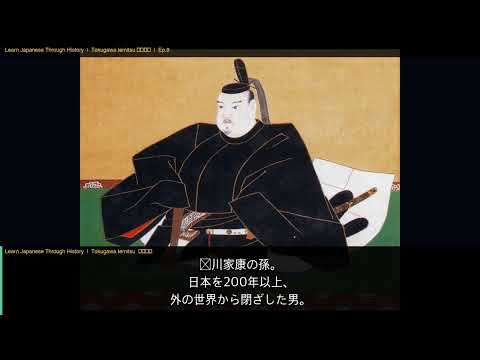
Tokugawa Iemitsu was the third shogun of the Tokugawa shogunate, ruling from 1623 to 1651. He is often regarded as one of the most important figures in Japanese history, as his policies had a lasting impact on the country's development. Iemitsu was the son of Tokugawa Hidetada and the grandson of Tokugawa Ieyasu, the founder of the Tokugawa shogunate. During his reign, Iemitsu implemented a series of policies aimed at isolating Japan from the rest of the world, known as Sakoku. This period of isolation lasted for over 200 years and had a profound effect on Japanese society and culture. For more information on the Tokugawa shogunate, see Japanese History.
📆 Early Life and Reign
Iemitsu was born in 1604 and succeeded his father as shogun in 1623. His early life and reign were marked by a series of significant events, including the Simabara Rebellion and the Christian persecution in Japan. Iemitsu's response to these events was to further tighten control over the population and to implement stricter laws and regulations. He also established a number of institutions, including the Tokugawa bakufu, which would play a crucial role in the governance of Japan for centuries to come. The Edict of Expulsion issued by Iemitsu in 1639 marked the beginning of the Sakoku period. To learn more about the Simabara Rebellion, visit Japanese Rebellions.
🔒 The Isolationist Policies of Sakoku
The Sakoku policies implemented by Iemitsu were designed to isolate Japan from the rest of the world and to prevent the spread of foreign ideas and influences. The Sakoku policy included the exclusion of foreigners, the prohibition of Japanese citizens from traveling abroad, and the strict control of trade and commerce. These policies had a significant impact on Japanese society and culture, leading to the development of a unique and distinct Japanese identity. The Japanese culture that emerged during this period was characterized by a strong emphasis on tradition and a rejection of foreign influences. For a deeper understanding of the Sakoku policy, see Japanese Isolationism.
🚫 The Exclusion of Foreigners
One of the most significant consequences of the Sakoku policies was the exclusion of foreigners from Japan. The exclusion of foreigners was enforced through a series of laws and regulations, including the Closed Country Edict of 1633. This edict prohibited the entry of foreigners into Japan and imposed strict penalties on those who attempted to do so. The exclusion of foreigners had a profound impact on Japanese society, leading to the development of a unique and isolated culture. The Dutch East India Company was one of the few foreign entities allowed to maintain a presence in Japan during this period. To learn more about the Dutch East India Company, visit Dutch Trade in Japan.
📝 The Role of the Shogun in Japanese Society
As shogun, Iemitsu played a crucial role in Japanese society. The shogun was the military dictator of Japan and was responsible for maintaining law and order and defending the country against external threats. Iemitsu was also responsible for the administration of justice and the collection of taxes. He established a number of institutions, including the shogunate administration, which would play a crucial role in the governance of Japan for centuries to come. The samurai class was also an important part of Japanese society during this period, and Iemitsu relied heavily on the samurai to maintain control and enforce his policies. For more information on the samurai class, see Japanese Social Classes.
🏞️ Economic and Cultural Developments
Despite the isolationist policies of the Sakoku period, Japan experienced significant economic and cultural developments during Iemitsu's reign. The Japanese economy grew rapidly during this period, driven by the expansion of agriculture and the development of new industries such as textiles and ceramics. The Japanese culture also flourished, with the development of new forms of art, literature, and music. The ukiyo-e woodblock prints that emerged during this period are a testament to the vibrant cultural scene in Japan at the time. To learn more about ukiyo-e, visit Japanese Art.
🤝 Relations with the Imperial Court
Iemitsu's relations with the Imperial Court of Japan were complex and often tense. The imperial family had traditionally held significant power and influence in Japan, but during the Tokugawa period, the shogun held the real power. Iemitsu was careful to maintain good relations with the imperial family, but he also took steps to limit their power and influence. The imperial court was allowed to maintain its ceremonial and symbolic role, but it was not involved in the day-to-day governance of the country. For more information on the Imperial Court, see Japanese Monarchy.
🚨 Challenges to Tokugawa Rule
Despite the stability and prosperity of the Tokugawa period, there were also significant challenges to Tokugawa rule. The Tokugawa shogunate faced opposition from a number of quarters, including the daimyo (feudal lords) and the ronin (masterless samurai). Iemitsu responded to these challenges by implementing a series of policies aimed at strengthening the power of the shogun and reducing the influence of the daimyo and ronin. The bakuhan system established by Iemitsu played a crucial role in maintaining the power of the shogun. To learn more about the bakuhan system, visit Japanese Feudalism.
💡 Legacy of Tokugawa Iemitsu
Iemitsu's legacy is complex and multifaceted. On the one hand, he is remembered as a strong and effective leader who maintained the stability and prosperity of Japan during a period of significant turmoil. On the other hand, his isolationist policies have been criticized for limiting Japan's engagement with the rest of the world and hindering its economic and cultural development. The Meiji Restoration of 1868 marked the end of the Tokugawa period and the beginning of a new era of modernization and westernization in Japan. For more information on the Meiji Restoration, see Japanese Modernization.
📊 Historical Significance and Impact
The historical significance of Iemitsu's reign cannot be overstated. The Sakoku policy implemented by Iemitsu had a profound impact on Japanese society and culture, leading to the development of a unique and distinct Japanese identity. The Tokugawa shogunate also played a crucial role in maintaining the stability and prosperity of Japan during a period of significant turmoil. The Japanese history of this period is a testament to the enduring legacy of Iemitsu and the Tokugawa shogunate. To learn more about Japanese history, visit Japan.
📚 Conclusion and Further Reading
In conclusion, Tokugawa Iemitsu was a significant figure in Japanese history, and his policies had a lasting impact on the country's development. The Sakoku policy implemented by Iemitsu led to the isolation of Japan from the rest of the world, but it also allowed for the development of a unique and distinct Japanese culture. For further reading on this topic, see Japanese Isolationism and Tokugawa Shogunate.
Key Facts
- Year
- 1604
- Origin
- Japan
- Category
- History
- Type
- Historical Figure
Frequently Asked Questions
Who was Tokugawa Iemitsu?
Tokugawa Iemitsu was the third shogun of the Tokugawa shogunate, ruling from 1623 to 1651. He is often regarded as one of the most important figures in Japanese history, as his policies had a lasting impact on the country's development. Iemitsu was the son of Tokugawa Hidetada and the grandson of Tokugawa Ieyasu, the founder of the Tokugawa shogunate. For more information on the Tokugawa shogunate, see Tokugawa Shogunate.
What was the Sakoku policy?
The Sakoku policy was a series of policies implemented by Tokugawa Iemitsu aimed at isolating Japan from the rest of the world. The policy included the exclusion of foreigners, the prohibition of Japanese citizens from traveling abroad, and the strict control of trade and commerce. The Sakoku policy had a significant impact on Japanese society and culture, leading to the development of a unique and distinct Japanese identity. To learn more about the Sakoku policy, visit Sakoku.
What was the role of the shogun in Japanese society?
The shogun was the military dictator of Japan and was responsible for maintaining law and order and defending the country against external threats. The shogun was also responsible for the administration of justice and the collection of taxes. The shogun played a crucial role in Japanese society, and the Tokugawa shogunate was the most powerful and influential shogunate in Japanese history. For more information on the shogun, see Shogun.
What were the economic and cultural developments during Iemitsu's reign?
Despite the isolationist policies of the Sakoku period, Japan experienced significant economic and cultural developments during Iemitsu's reign. The Japanese economy grew rapidly during this period, driven by the expansion of agriculture and the development of new industries such as textiles and ceramics. The Japanese culture also flourished, with the development of new forms of art, literature, and music. To learn more about Japanese culture, visit Japanese Culture.
What was the legacy of Tokugawa Iemitsu?
Iemitsu's legacy is complex and multifaceted. On the one hand, he is remembered as a strong and effective leader who maintained the stability and prosperity of Japan during a period of significant turmoil. On the other hand, his isolationist policies have been criticized for limiting Japan's engagement with the rest of the world and hindering its economic and cultural development. For more information on Iemitsu's legacy, see Tokugawa Iemitsu.
What was the historical significance of Iemitsu's reign?
The historical significance of Iemitsu's reign cannot be overstated. The Sakoku policy implemented by Iemitsu had a profound impact on Japanese society and culture, leading to the development of a unique and distinct Japanese identity. The Tokugawa shogunate also played a crucial role in maintaining the stability and prosperity of Japan during a period of significant turmoil. To learn more about Japanese history, visit Japanese History.
What were the challenges to Tokugawa rule during Iemitsu's reign?
Despite the stability and prosperity of the Tokugawa period, there were also significant challenges to Tokugawa rule. The Tokugawa shogunate faced opposition from a number of quarters, including the daimyo and the ronin. Iemitsu responded to these challenges by implementing a series of policies aimed at strengthening the power of the shogun and reducing the influence of the daimyo and ronin. For more information on the challenges to Tokugawa rule, see Tokugawa Shogunate.